
What does losing weight naturally mean?
Losing weight naturally means changing everyday habits instead of following a strict, short-term diet. You use food, movement, sleep and stress care, and you skip pills, teas and extreme rules.
The goal is to lose weight slowly and keep it off. That means choosing changes you can imagine doing next year, not just next week.
This article shares ten habits, a realistic pace and the mistakes that trip people up. It is general education, not a personal plan.
Why strict diets often fail
Strict diets ask you to change everything at once. That takes a lot of effort, and most people cannot keep it up for long.
When the diet ends, the old habits return, and so can the weight. The NHS advises against crash diets and skipping meals, because skipping meals can leave you hungrier and more likely to snack.
Habits work differently. Each one is small, so it feels easy, and together they change how you eat and move.
What a habit-based approach looks like
- You add good things first, such as vegetables, protein and walks.
- You change one or two habits at a time.
- You allow your favourite foods in sensible portions.
- You measure progress by more than the scale.
How fast is healthy weight loss?
A steady pace is about 0.5 to 1 kilogram (1 to 2 pounds) a week, according to the NHS. Some weeks you will lose more, some less, and some none at all.
Bigger promises like "10 pounds in a week" usually come from water loss or from plans that are impossible to keep.
Even modest loss can matter. The NIDDK says a healthy eating plan you can stay on for the long term may help you lose weight, and that being active may help you keep it off.
Age, health conditions, medicines and body size all change what is right for you. A doctor or registered dietitian can set a goal that fits.
The 10 habits that help you lose weight naturally
You do not need to do all ten at once. Pick one or two, keep them for a couple of weeks, then add another.
1. Build meals around protein and fibre
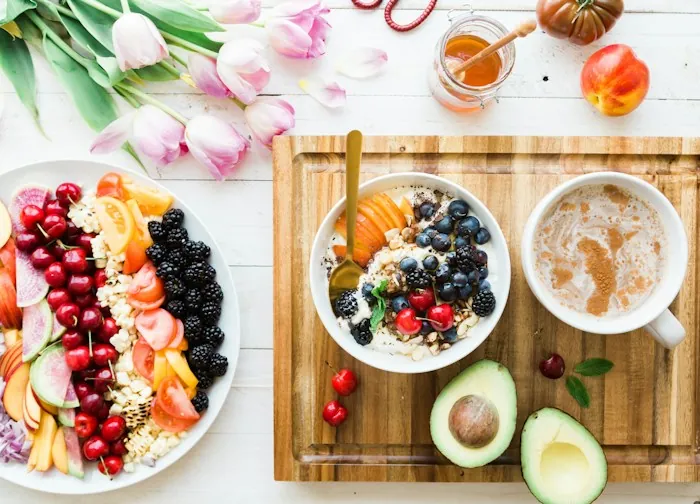
Protein and fibre both help you feel full. Aim to include one of each at every meal.
Think eggs or yoghurt at breakfast, beans or fish at lunch, and vegetables with every dinner. Our guide to fibre-rich foods has easy ideas.
2. Use a simple plate
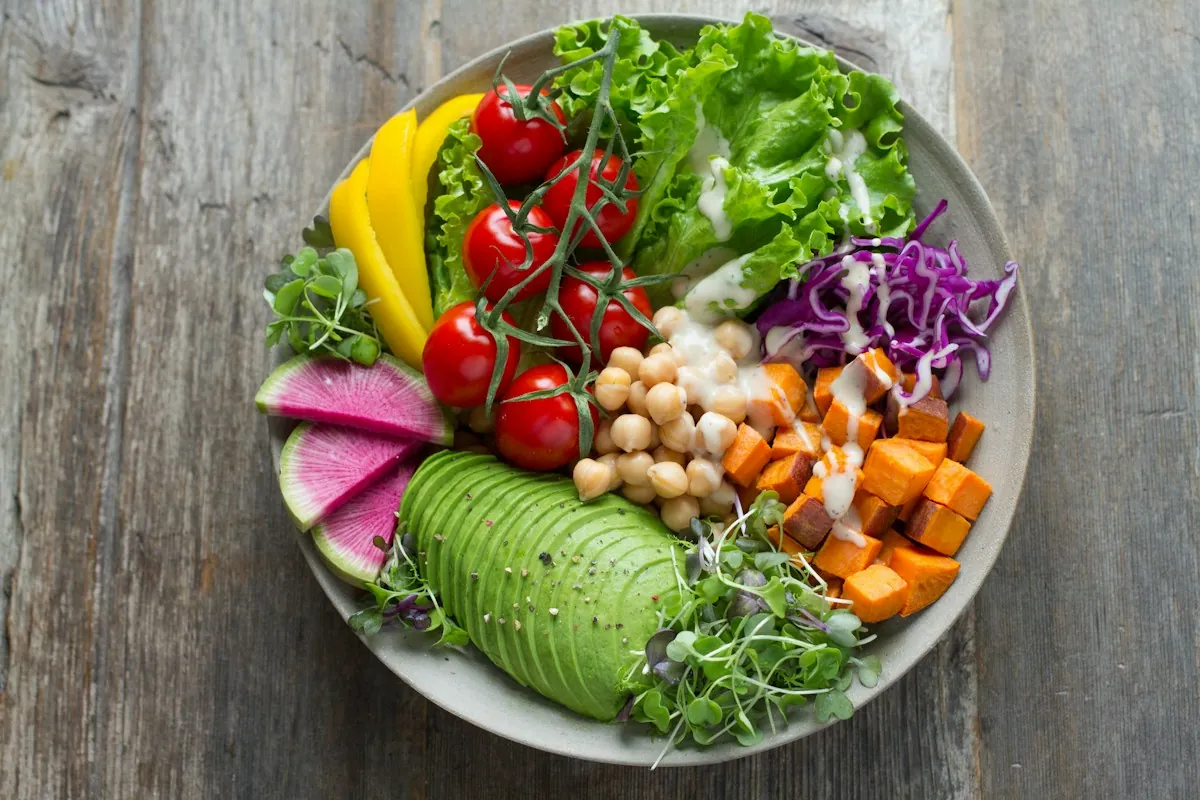
Fill about half your plate with vegetables or fruit. Keep a quarter for protein and a quarter for whole grains or starchy foods.
This is a rough guide, not a rule. It works because it needs no counting and adapts to almost any cuisine. See how to build a balanced plate.
3. Swap sugary drinks for water
Sugary drinks add calories without making you feel full. The NHS lists swapping them for water as a simple first step.
Try plain water, sparkling water or unsweetened tea. Keep a bottle where you can see it.

4. Slow down and stop when you are full
It takes a little time for fullness signals to reach your brain. Eating slowly gives them a chance.
Put your fork down between bites. The NHS also notes you do not have to finish your plate if you are full, because leftovers keep for tomorrow.
5. Protect your sleep
Poor sleep is linked with stronger hunger and less energy for activity, though researchers are still working out the details.
Aim for a regular bedtime and a wind-down routine. Our Sleep and Recovery hub has practical steps.
Want the full framework in one place?
Our Weight Management Guide brings food, movement, sleep and mindset together, step by step.
6. Walk more, every day
Daily movement adds up without the pressure of a formal workout. The NHS suggests 150 minutes of activity a week, and you can split it into short sessions.
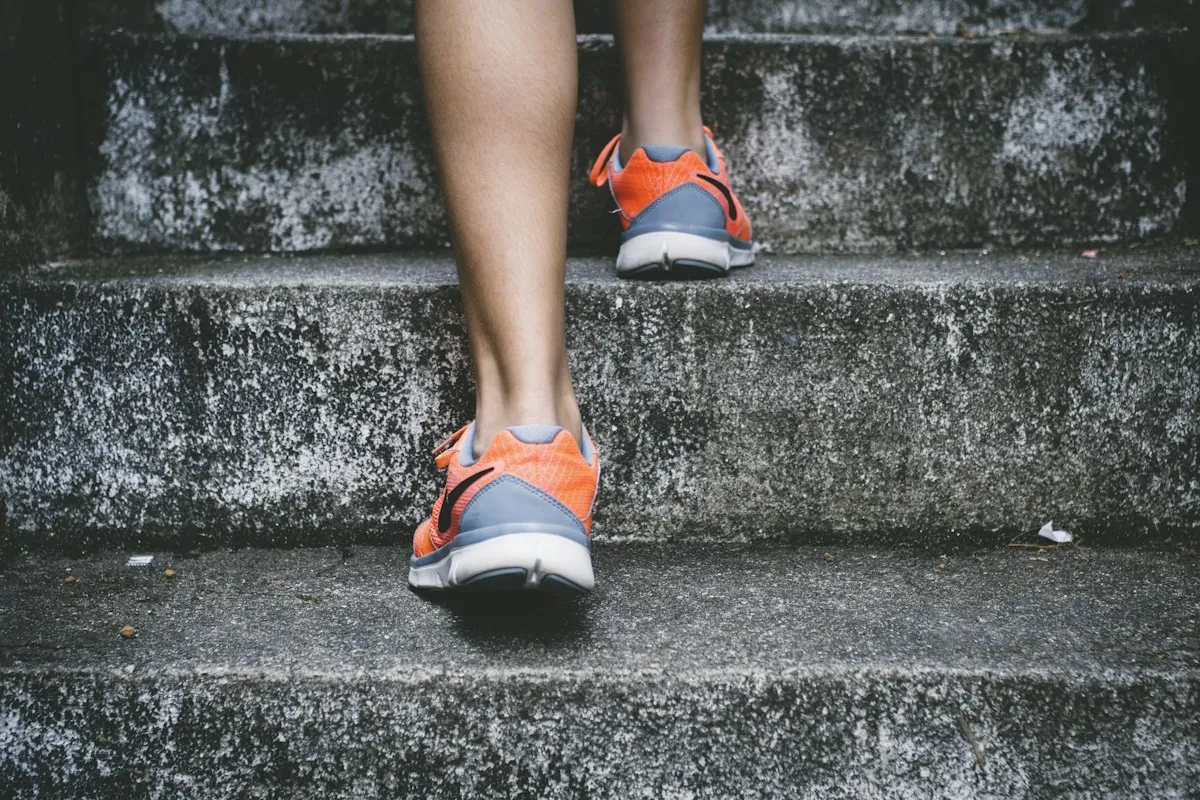
Take a ten-minute walk after meals, use the stairs or walk while you take calls.
7. Add strength training twice a week
Strength work helps you keep muscle while you lose weight, and muscle helps your body work well as you age.
Bodyweight squats, push-ups and resistance bands are enough to begin. Read more in our guide to strength training for weight loss.
8. Manage stress before it manages your snacks
Many people eat more when they are stressed or bored, even when they are not hungry.
Notice the urge, wait ten minutes and try something else first, such as a short walk or a call with a friend. Ask yourself whether it is hunger or habit, then read about keeping a simple food diary, which can help you spot the difference.
9. Shape your home to help you
Willpower runs low at the end of a long day, so make the easy choice the healthy one.
Keep fruit on the counter and treats out of sight. The NHS suggests not keeping unhealthy snacks at home. Plan meals ahead with our weekly meal planning routine.
10. Plan for slip-ups
Everyone has off days. One big meal does not undo a month of good habits.
Return to your next planned meal without guilt. Track a habit, such as steps or vegetables eaten, as well as the scale.
Take your first seven small stepsA sample day of natural habits
Here is one example of how the habits can fit into a normal day. Your day will look different, and that is fine.
- Morning: A glass of water, then a breakfast with protein, such as eggs or yoghurt, plus fruit or oats.
- Midday: A plate with half vegetables, a portion of protein and some whole grains. A ten-minute walk afterwards.
- Afternoon: A planned snack, such as an apple with a handful of nuts, and water instead of a sweet drink.
- Evening: A slower dinner, stopping when comfortably full. Strength moves or a longer walk on two or three days a week.
- Night: A regular bedtime and a screen-free wind-down.
If planning feels heavy, start with a weekly routine. Our meal planning guide takes about an hour.
Common mistakes to avoid
- Changing everything at once. Too many rules lead to burnout by week two.
- Skipping meals. It often backfires with stronger hunger later.
- Relying on detox teas or pills. They are not a sustainable route. See what the evidence says about fat burners and supplements.
- Cutting out whole food groups. Balanced meals are easier to keep up.
- Judging yourself by the scale alone. Water, salt and sleep can move it by a kilogram or more in a day.
- Treating a slip as failure. One meal is just one meal.
When to talk to a doctor first
For most healthy adults, these habits are safe. Some people should check with a doctor or registered dietitian before changing their eating or exercise.
- People with diabetes or other conditions that affect blood sugar.
- People taking regular medicines, especially for blood pressure or blood sugar.
- People who are pregnant or breastfeeding.
- Anyone with a history of disordered eating.
- Anyone with heart, kidney or joint problems, or who has not exercised in a long time.
If you are losing weight without trying, or you feel very tired, dizzy or unwell, see a doctor. Do not treat it with diet changes alone.
What a realistic week can look like
Advice is easier to use when you can picture it. Here is a sample week that puts the ideas in this article into practice. Adjust it to your life.
- Most days: build meals around vegetables, protein and a starchy food, and drink water through the day.
- Three or four days: take a 20 to 30 minute walk, or do another activity you enjoy.
- Two days: do a short strength session with your body weight or light weights.
- Every night: aim for a steady bedtime and a calm wind-down.
- Once a week: plan meals, shop and prepare a few basics.
Judge progress by more than the scale
Weight can move up and down from day to day. Also notice your energy, your clothes, your strength and your mood.
Our article on why the scale is not the whole story explains why.
Keep it sustainable
Plans that feel like punishment do not last. Choose changes you could imagine doing for a year.
If you have a medical condition, are pregnant, or take medicines, talk to your doctor before making big changes to your eating or exercise.
Recap: your natural weight loss plan in five points
- Choose habits over strict diets.
- Aim for a steady pace of about 0.5 to 1 kilogram a week.
- Build meals around protein, fibre and vegetables.
- Walk daily, add strength work, and protect your sleep.
- Talk to a professional if you have a medical condition.
How to lose weight naturally: frequently asked questions
Build small habits you can keep. Eat protein and fibre at each meal, choose water over sugary drinks, walk daily, do strength training twice a week and protect your sleep. Slow, steady change tends to last longer than a strict plan.
The NHS suggests aiming for about 0.5 to 1 kilogram (1 to 2 pounds) a week. Progress is rarely a straight line, so judge it over several weeks rather than day to day.
Food habits do a lot of the work, but activity helps you keep weight off and is good for your heart, mood and sleep. The World Health Organization advises adults to get at least 150 minutes of moderate activity a week. Walking counts.
No. Sustainable weight loss comes from everyday habits, not teas, drinks or pills. If you are thinking about a supplement or medicine, speak to your doctor first.
Weight moves up and down with water, salt, sleep, stress and hormones, so short plateaus are normal. Check your portions, sleep and activity over a few weeks. If you are stuck for a long time or worried, talk to a doctor or registered dietitian.
Yes, many people do well by focusing on food quality, portions and hunger cues instead of numbers. Counting can help some people, so treat it as a tool you can pick up or put down.
Related reading: 5 Natural Ways to Boost Metabolism and Burn More Calories
Sources and further reading
We checked pace, activity and habit guidance against these sources. Where research is still developing, we have said so.
- NHS: Tips to help you lose weight
- NHS: Understanding calories
- NIDDK (US National Institutes of Health): Adult overweight and obesity
- Harvard T.H. Chan School of Public Health, The Nutrition Source: Healthy weight
- World Health Organization: Physical activity fact sheet
Explore more in the Weight Management hub, or see how Nutrition and Fitness support your goals.