Does exercise help you sleep?
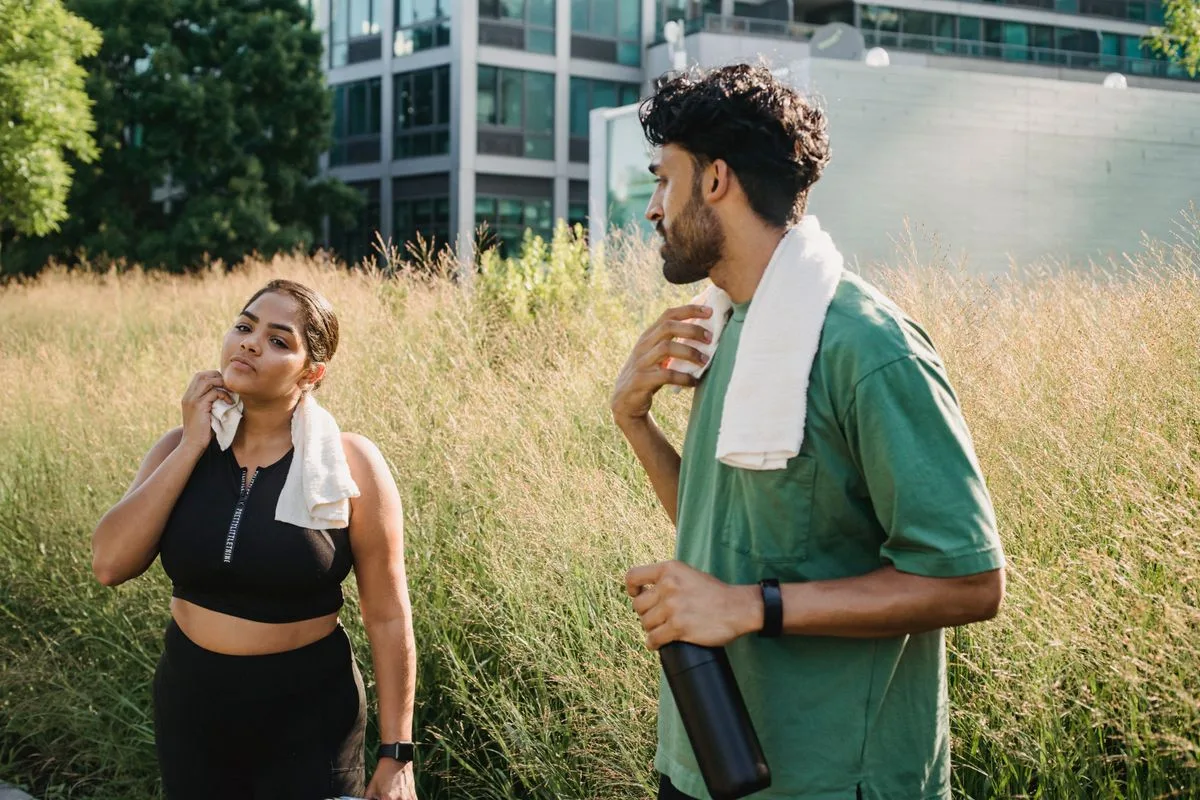
For most people, yes. The Sleep Foundation says moderate to vigorous exercise can increase sleep quality for adults by reducing the time it takes to fall asleep and decreasing the time spent awake during the night. Physical activity can also help you feel less tired in the day.
The relationship also runs the other way. Poor sleep makes exercise harder. The Sleep Foundation cites research in which a 30-minute increase in the time to fall asleep was linked to a one-minute drop in exercise the next day.
So sleep and exercise support each other. The trick is to time and shape your training so that it helps sleep and does not get in its way.
See how exercise supports sleepTiming your workout
The old advice was to avoid exercise in the evening. Newer research is more relaxed, but timing and intensity still matter.
- Harvard Health: a 2021 study of nearly 13,000 people found that moderate to vigorous activity completed at least three hours before bedtime did not interfere with sleep. A 2025 study suggested a cutoff of four hours.
- Sleep Foundation: a survey found the majority of people who exercise at 8 p.m. or later still fall asleep quickly, but vigorous workouts within an hour of bedtime can raise core temperature, and were linked to lower sleep efficiency and more time awake after falling asleep.
- NHS: some people find that exercising close to bedtime affects their sleep. If this happens to you, try being active earlier in the day.
A good rule is to finish hard training at least three to four hours before bed, and see how your own body responds. Morning and afternoon workouts are the safest choice if your sleep is fragile.
Want a plan that fits training around sleep?
The Better Sleep Guide shows how to organize your day, evening and bedroom for better rest.
Best choices for evening exercise
The Sleep Foundation suggests lighter exercises such as yoga, stretching and breathing exercises may suit the evening better, with more intense workouts earlier in the day.
- A gentle walk after dinner.
- Yoga or light stretching.
- Slow, easy cycling.
- A relaxed strength session with light weights, finished well before bed.
- A few minutes of breathing exercises. See our box breathing guide.
Cool down properly
A proper cool-down helps your body shift from work to rest.
- Walk slowly for 3 to 5 minutes until your breathing settles.
- Do gentle stretching for your major muscles.
- Take a few slow breaths, in through the nose and out through the mouth.
- Have a lukewarm or warm shower once you have cooled down.
Do not push through a workout when you feel unwell or very tired. Recovery matters as much as training.
Refuel and rehydrate
After training, your body needs fluid and food. Drink water, and eat a balanced meal or snack with protein and carbohydrates, such as yogurt with fruit, eggs on toast or a bowl of rice with lentils and vegetables.
Avoid very heavy meals right before bed, since a big meal can be uncomfortable when you lie down.
Our guide to drinking enough water covers hydration in more detail.
Watch caffeine, alcohol and pre-workout products
The NHS says tea, coffee and some soft drinks contain caffeine, which can make you feel more awake, and suggests avoiding alcohol and nicotine 1 to 2 hours before bed. Many pre-workout drinks also contain caffeine, sometimes in large amounts.
If you train in the evening, check labels, and choose products with less caffeine or none.
- Have caffeine earlier in the day.
- Skip alcohol after training, especially close to bedtime.
- Be careful with energy drinks and supplements, and talk to your doctor if you are unsure.
Wind down after training
The NHS suggests avoiding screens for an hour before bed and writing down to-dos for tomorrow. A simple plan after an evening workout might look like this.
- Right after training: cool down, drink water and shower.
- Within an hour: eat a balanced snack or meal.
- An hour before bed: screens off, lights low.
- Before bed: gentle stretching, slow breathing or reading.
See our 30-minute wind-down routine for more.
A sample evening after a workout
Here is how a full evening could look if you train after work. Adjust the times to fit your schedule.
- 6:00 p.m.: workout, ending with a slow walk and stretching.
- 6:45 p.m.: water and a shower.
- 7:15 p.m.: a balanced dinner with protein, vegetables and a starchy food.
- 8:30 p.m.: some quiet time, such as reading or a hobby.
- 9:15 p.m.: screens off. Prepare for tomorrow and write down tomorrow's to-do list.
- 9:45 p.m.: gentle stretching and slow breathing, then lights out around your usual bedtime.
With three hours between the end of your workout and bedtime, this plan matches the timing reported by Harvard Health for moderate to vigorous exercise.
If you still find you cannot fall asleep, try finishing your workout earlier, or lowering the intensity for a few weeks.
The morning after a hard session
How you sleep affects how you feel the next day, and how you feel affects your next workout. Use the morning after a hard session to check in with yourself.
- Did you sleep enough? If not, keep your next session lighter.
- Do you feel very sore? A walk or gentle stretching can feel better than resting completely.
- Do you feel unusually tired? Consider an extra rest day.
- Do you have any sharp or lasting pain? Rest the area and see a professional if it does not settle.
The NIDDK suggests at least 1 day of rest between workouts for the same muscle groups, and the NHS suggests spreading activity across the week. Plan easier days between hard ones.
For more on reading your body's signals, see our guide to rest and recovery.
Adjusting for different goals
- If you train for weight loss: keep workouts moderate and prioritize sleep. Poor sleep makes cravings stronger. See our article on sleep and weight loss.
- If you lift weights: finish heavy sessions earlier, and keep evening sessions lighter. See our beginner strength training guide.
- If you run or do cardio: try easy evening runs, and put intervals earlier in the day.
- If you are older or returning to exercise: choose gentle sessions and check with your doctor first.
There is no single right time to exercise. The best time is the one you can keep doing that does not harm your sleep.
A quick post-workout sleep checklist
- Did I finish my hard exercise at least three hours before bed?
- Did I cool down and stretch?
- Did I drink water and eat a balanced meal?
- Did I avoid caffeine and alcohol late in the day?
- Did I turn off screens an hour before bed?
- Did I do something calm to wind down?
If you can tick most of these, you are giving your body the best chance to sleep well and recover after training.
If you tick most but still sleep badly, try moving your workout earlier, or lower the intensity for a couple of weeks, and speak to your doctor if problems continue.
A few more tips for evening training
- Keep a fan or cool air in the room after you shower, since a cooler room helps sleep.
- Plan an easy session on nights when you are short of time, instead of squeezing in a hard one.
- Use gentle music or a podcast to help you slow down after a session.
- Keep a set bedtime, even on training days.
- Notice how you sleep after different workout types and times, and keep a note.
Everyone is different. You may find that lifting in the evening suits you but running does not, or the reverse. Treat the guidelines as a starting point and adjust to what your own body tells you.
If you still feel wired
Some nights you will feel buzzing after a workout. Do not panic. The NHS suggests that if you are still awake after around 20 minutes, get up and sit somewhere comfortable, doing something calm until you feel sleepy.
Then adjust the next day. Move your workout earlier, lower the intensity or give yourself a longer wind-down.
If you often struggle to sleep after training, or you feel exhausted, unwell or have palpitations, talk to your doctor.
This article is general education, not personal medical advice. Its reviewer, Meena Narayanan, holds a personal training credential, which is not a medical or sleep-medicine credential. If you have long-lasting sleep problems, loud snoring, breathing pauses in your sleep, or feel very sleepy in the daytime, please talk to your doctor.
Recap: the main points
- Moderate exercise usually helps sleep, especially when finished at least three to four hours before bed.
- Vigorous workouts within an hour of bedtime can make it harder to sleep.
- Choose lighter activity in the evening.
- Cool down, drink water, eat a balanced meal and avoid late caffeine.
- Wind down, and adjust your training time if you feel wired.
Sleeping after a workout: frequently asked questions
Often yes. Harvard Health reports that moderate to vigorous activity finished at least three hours before bedtime did not interfere with sleep in a large study.
Vigorous exercise close to bedtime can raise your core temperature and leave you feeling wired. The Sleep Foundation links workouts within an hour of bedtime with lower sleep efficiency.
Gentle options such as walking, stretching, yoga and breathing exercises suit the evening better than intense training.
If it affects your sleep, yes. The NHS says caffeine can make you feel more awake. Check pre-workout products too.
Harvard Health cites cutoffs of three hours in one study and four hours in another for moderate to vigorous activity. Test what suits you.
Talk to a doctor if you have long-lasting sleep problems, feel unusually exhausted or notice palpitations or chest discomfort with exercise.
Want the full plan? Read our Better Sleep Guide.
Sources and further reading
We checked the figures and guidance in this article against these sources. This article does not give personal medical advice.
- Harvard Health: Does exercising in the evening affect sleep?
- Sleep Foundation: How exercise affects sleep
- NHS Every Mind Matters: How to fall asleep faster and sleep better
- Sleep Foundation: How sleep affects athletic performance
Want more? Head back to the Sleep & Recovery hub or read the Start Here guides.