
Sleep Hygiene
The daily habits around light, caffeine and screens that make sleep come easier.
Tidy up your sleep habitsSleep is when your body and brain rest, repair and reset for the next day. This hub covers sleep habits, schedules, bedroom setup, stress and recovery.
Every article is written in plain language and reviewed before it goes live.
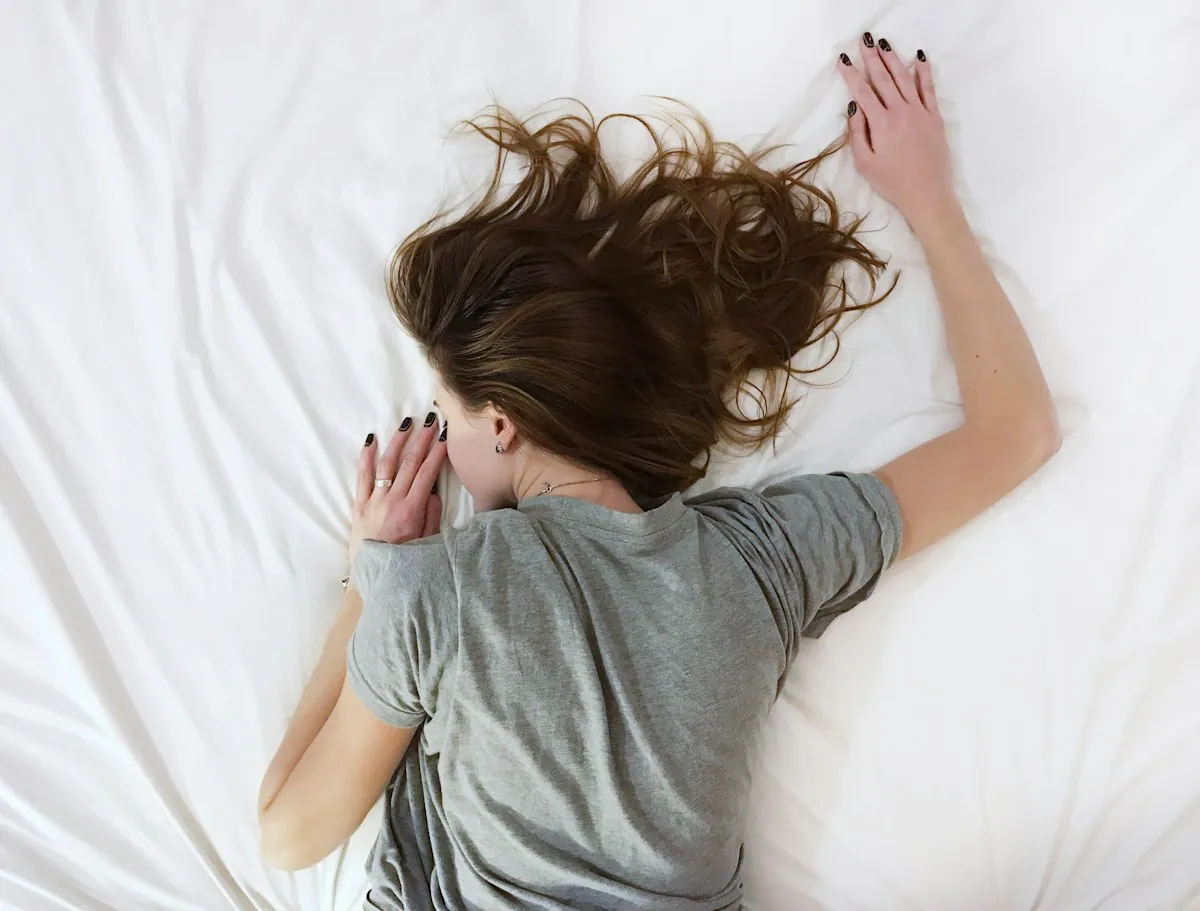 Calm evenings. Steady mornings.
Good sleep comes from a few steady habits, not a long list of rules.
We explain what the research supports and what is only a trend.
Each topic opens the matching articles below, so you can go straight to what you need.
The daily habits around light, caffeine and screens that make sleep come easier.
Tidy up your sleep habitsHow to find your ideal bedtime, keep a steady wake time and handle late nights.
Set a schedule you can keepLight, noise, temperature and bedding, and how to set up a room that helps you rest.
Set up your bedroomSimple ways to quiet a busy mind at night, and when it is time to talk to a doctor.
Quiet a busy mindHow rest, sleep and easy movement help your body bounce back between workouts.
Plan your rest daysEvening habits that help you switch off, from screen limits to a calming last hour.
Build your evening routineOur Better Sleep Guide walks you through a full reset, from your wake time to your bedroom.
It links out to the detailed article behind every chapter.
A complete starting point for better rest, from a steady schedule to a bedroom built for sleep.
Open the complete sleep guideShowing 9 articles
The real range by age group, and why "8 hours for everyone" is more myth than rule.
Find your real sleep number
Five habits for falling asleep faster and sleeping better, with NHS guidance.
Try five sleep-quality habits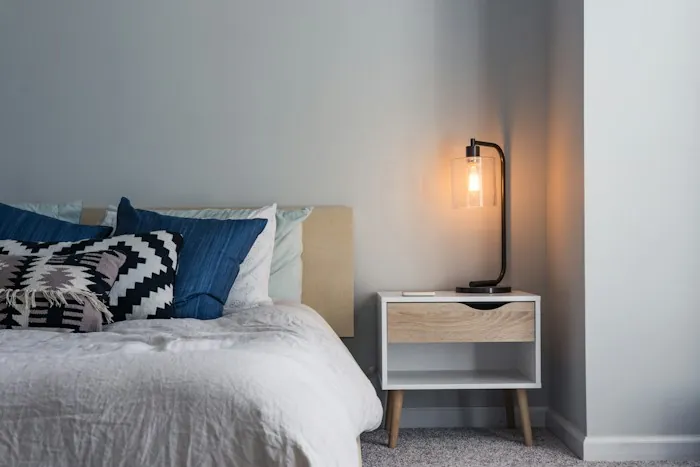
Hours, schedule, bedroom, naps and rest days for better recovery.
Use the best recovery techniques
Timing, cool-down and evening habits that protect your sleep.
Sleep well after training
Common recovery mistakes, and simple fixes that help.
Fix your recovery mistakes
How activity supports falling asleep faster and sleeping deeper.
See how exercise supports sleep
Read your body's signals and plan rest days that work.
Learn to read your body
How poor sleep drives hunger and what to do about it.
See how sleep shapes appetite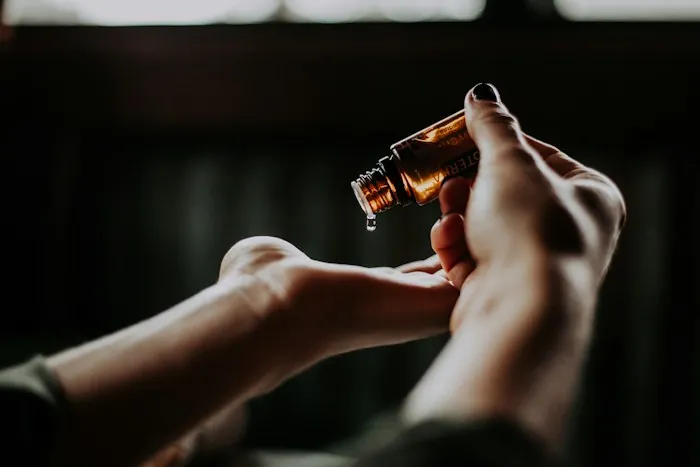
A simple evening sequence that helps your body and mind get ready for bed.
Design your last half hour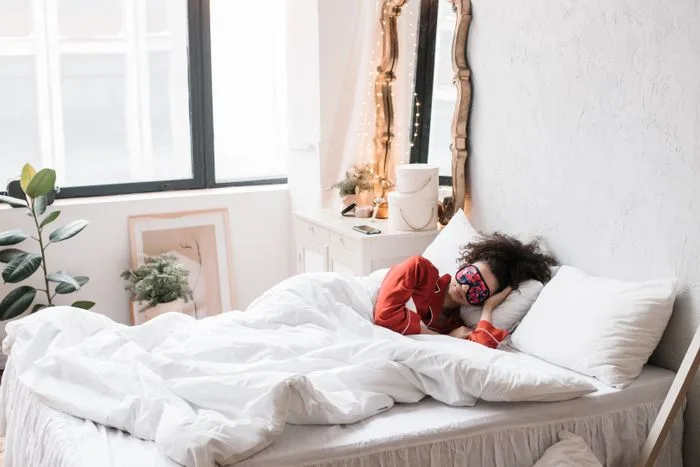
A practical 10-habit checklist covering your bedroom, daytime habits and common mistakes.
See the 10-habit checklist
How long to nap, the best time of day, and how to nap without wrecking nighttime sleep.
Nap without the grogginessSleep advice is full of quick fixes, so we show our process instead of asking you to trust us.
By a writer who researches the topic in depth and cites where each sleep fact comes from.
By Meena Narayanan, CPT, our site-wide reviewer, before anything goes live.
Sleep ranges are checked against public health guidance, not a second-hand summary.
Articles are revisited as sleep research changes, with a visible last-updated date on every page.
Our sleep content is educational and is not medical advice. Ongoing sleep problems, loud snoring or heavy daytime sleepiness can point to a sleep disorder, so please see a doctor. Read our editorial process.
Short, direct answers you can use right away, with the full detail in the linked articles.
Most adults need seven or more hours of sleep a night, according to CDC guidance. Needs vary a little from person to person, so notice how you feel during the day.
Sleep hygiene means the daily habits that help you sleep well, such as a steady schedule, limiting late caffeine and keeping the bedroom dark and quiet.
Many sleep experts suggest a cool, comfortable bedroom, often around 15 to 20 degrees Celsius (60 to 68 degrees Fahrenheit). The best number depends on your bedding and how you feel.
Regular physical activity is linked with better sleep for many people. Very hard workouts close to bedtime can leave some people feeling wired, so try finishing a little earlier.
Brief waking is common and can come from stress, light, noise, caffeine or alcohol. If it happens often or leaves you tired all day, speak to a doctor.
No. Our sleep content is educational and reviewed by Meena Narayanan, CPT. It cannot diagnose a sleep problem, so if you have long-running trouble sleeping, please talk to a doctor.
Get seven small, realistic changes in your inbox, starting with your evening routine.

Wellness guide · Replies instantly
General wellness information, not medical advice. Read our disclaimer