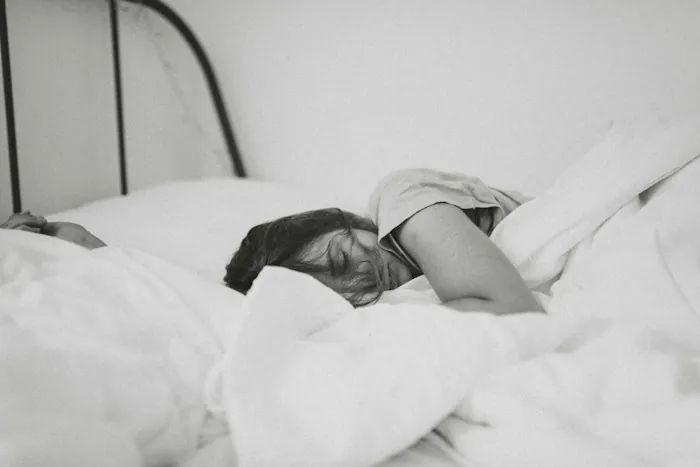

Why sleep quality matters
Sleep is not only about how many hours you spend in bed. Quality matters too. Good sleep means you fall asleep without a long struggle, stay asleep most of the night and wake feeling reasonably refreshed.
When your sleep is poor, you feel it the next day. You may feel tired, irritable and unfocused, crave sugary food and find it hard to exercise or cook a proper meal.
The good news is that sleep habits can be learned. Most of the advice comes down to a few simple ideas that work with your body's natural rhythm.
Below are five practical ways to improve your sleep quality, based on NHS guidance and other trusted sources. You do not need to do all of them at once.
Check how many hours of sleep you needWay 1: Keep a regular sleep routine
The NHS says that when you have a regular sleep routine, it can make it easier to fall asleep. It suggests keeping your routine the same when you can, even on days when you are not working.
Your body has an internal clock. It works best when you give it steady signals, such as the same wake-up time and roughly the same bedtime each day.
How to set your routine
- Choose a wake-up time you can keep most days.
- Work backward to find a bedtime that gives you enough sleep.
- Try to stay within an hour of your usual times on weekends.
- Get some daylight soon after you wake.
- Give yourself a short wind-down before bed.
If your schedule changes often, keep the parts you can control. A steady wake-up time is usually the most helpful anchor.
Want a full plan for your evenings?
Our Better Sleep Guide walks you through your schedule, bedroom and wind-down, one step at a time.
Way 2: Make your bedroom quiet, dark and cool
The NHS advises making your bedroom quiet, dark and cool. Small changes can help a lot.
- Noise: use earplugs if noise is a problem.
- Light: fully close the curtains to help keep the room dark, and cover or remove bright standby lights.
- Temperature: adjust the temperature or open a window to make the room cooler.
- Comfort: check that your bed, pillow and bedding suit you.
Keep your bedroom for sleep and rest as much as you can. If you use it for work or watching TV, your brain may link the room with being alert.

Way 3: Wind down and switch off screens
The NHS says to try not to use phones, tablets or computers for an hour before bed, because the blue light from screens can make it harder to fall asleep.
A wind-down gives your mind and body time to slow down.
Easy wind-down ideas
- Read a book or listen to calm music.
- Have a warm shower or bath.
- Do some gentle stretching.
- Try slow breathing. See our guide to box breathing.
- Write down things you need to do tomorrow. The NHS says writing things down can help clear your mind before bed.
Our 30-minute wind-down routine brings these ideas together in a simple order.
Way 4: Watch caffeine, alcohol and nicotine
The NHS says tea, coffee and some soft drinks contain caffeine, which can make you feel more awake. Alcohol and nicotine can also have disruptive effects on sleep, so it suggests trying to avoid them 1 to 2 hours before bed.
- Have your last caffeinated drink earlier in the day.
- Try herbal tea or a warm milky drink in the evening.
- Do not use alcohol as a sleep aid. It may help you fall asleep, but it can disturb your sleep later.
- If you smoke, avoid nicotine close to bedtime.
Also avoid very heavy meals late in the evening. A light snack is fine if you are hungry, but a big meal close to bed can be uncomfortable.
Way 5: Move during the day, and time it well
Regular activity supports better sleep. The Sleep Foundation says moderate to vigorous exercise can increase sleep quality for adults by reducing the time it takes to fall asleep and decreasing the time spent awake during the night.
It can also help you feel less tired during the day.
Timing matters for some people. The NHS notes that some people find exercising close to bedtime affects their sleep, and suggests being active earlier in the day if this happens to you.
Harvard Health reports that a 2021 study of nearly 13,000 people found moderate to vigorous activity completed at least three hours before bedtime did not interfere with sleep. Lighter activity such as stretching or yoga is usually fine in the evening.
- Aim for the NHS target of 150 minutes of moderate activity a week, plus strength work on at least 2 days.
- Try a brisk walk, especially outdoors in daylight.
- If hard workouts affect your sleep, move them earlier in the day.
Our guide on how to start walking for fitness is a gentle place to begin.
What to do if you cannot sleep
Lying awake and worrying about sleep can make it harder to fall asleep. The NHS suggests getting up if you are still awake after around 20 minutes, and sitting somewhere comfortable.
Do something calm in dim light, such as reading or listening to quiet music, until you feel sleepy. Then go back to bed.
- Avoid checking the clock repeatedly.
- Avoid bright screens.
- Try slow breathing or a body relaxation exercise.
- Write down anything that is on your mind.
An occasional bad night is normal. It usually does not need any action other than keeping your usual routine the next day.
Also keep naps short. Harvard Health suggests limiting daytime naps to 20 to 30 minutes.
A seven-day plan to try
Add one habit each day. Keep the earlier ones going as you add new ones.
- Day 1: set a wake-up time and stick to it.
- Day 2: set a bedtime that fits.
- Day 3: make your bedroom darker and quieter.
- Day 4: turn off screens an hour before bed.
- Day 5: have your last caffeine earlier and avoid alcohol close to bedtime.
- Day 6: take a 20 to 30 minute walk in daylight.
- Day 7: look back. What made the biggest difference? Keep it going.
Give it at least two to three weeks before you decide what works. Sleep often improves gradually.
Keep a short note each morning about how you slept and how you felt. Look for patterns after two weeks.
Common mistakes that hurt sleep quality
Many people do most things right and still sleep badly because of a few habits they do not notice. Check this list honestly.
- Irregular hours. Going to bed at very different times each night keeps your body clock guessing.
- Checking your phone in bed. Bright light and stimulating content can keep your mind switched on.
- Late caffeine. A coffee or tea late in the afternoon can still affect you at night.
- Relying on alcohol to relax. It may make you feel sleepy at first, but the NHS says alcohol can have disruptive effects on sleep.
- Working or watching TV in bed. Your brain may link your bed with being awake.
- Staying in bed when you cannot sleep. The NHS suggests getting up after around 20 minutes and doing something calm.
- Napping too long. Long or late naps can make it harder to fall asleep at night.
You do not need to fix everything at once. Pick the one or two habits that fit you and work on those for a couple of weeks.
Be kind to yourself
Worrying about sleep can make sleep worse. If you have a poor night, avoid making big changes to your day. Keep your usual wake-up time, get some daylight, move gently and try again the next night.
One bad night rarely does lasting harm. What matters is the pattern over weeks.
Simple relaxation tools for bedtime
If your mind races at night, a short relaxation exercise can help. You do not need any equipment.
- Slow breathing. Breathe in through your nose and out slowly through your mouth. Our box breathing guide shows a counted pattern.
- Body scan. Lie down and move your attention slowly from your feet to your head, letting each part relax.
- Brain dump. Write everything on your mind on paper. The NHS says writing things down can help clear your mind before bed.
- Gentle stretching. A few slow stretches release tension from your day.
- Calm audio. Soft music or a quiet audiobook can give your mind something gentle to follow.
Pick one and practice it for a week. Relaxation is a skill. It usually feels easier the more you use it.
When to talk to a doctor
Habit changes help many people, but not everyone. Talk to your doctor if you have trouble sleeping most nights for several weeks, snore loudly, seem to stop breathing in your sleep, feel very sleepy during the day, or your sleep is affected by pain, worry or low mood.
Sleep problems can have medical causes that need proper care.
This article is general education, not personal medical advice. Its reviewer, Meena Narayanan, holds a personal training credential, which is not a medical or sleep-medicine credential. If you have long-lasting sleep problems, loud snoring, breathing pauses in your sleep, or feel very sleepy in the daytime, please talk to your doctor.
Recap: the main points
- Keep regular sleep and wake times, even on days off.
- Make your bedroom quiet, dark and cool.
- Avoid screens for an hour before bed, and wind down calmly.
- Avoid caffeine, alcohol and nicotine close to bedtime.
- Move during the day, and get up if you cannot sleep after around 20 minutes.
Improving sleep quality: frequently asked questions
Keep regular sleep times, make your bedroom quiet, dark and cool, avoid screens for an hour before bed, limit caffeine, alcohol and nicotine late in the day and stay active during the day.
The NHS suggests getting up if you are still awake after around 20 minutes and sitting somewhere comfortable, doing something calm until you feel sleepy.
The NHS says the blue light from screens can make it harder to fall asleep, and suggests avoiding phones, tablets and computers for an hour before bed.
Not necessarily. Harvard Health reports that moderate to vigorous activity finished at least three hours before bedtime did not interfere with sleep in a large study. Some people do better exercising earlier.
Short naps can help some people. Harvard Health suggests limiting daytime naps to 20 to 30 minutes so they do not affect night sleep.
See your doctor if poor sleep lasts for weeks, you snore loudly or stop breathing during sleep, or you feel very sleepy during the day.
Want the full plan? Read our Better Sleep Guide.
Sources and further reading
We checked the figures and guidance in this article against these sources. This article does not give personal medical advice.
- NHS Every Mind Matters: How to fall asleep faster and sleep better
- Harvard Health: Does exercising in the evening affect sleep?
- Sleep Foundation: How exercise affects sleep
- NHS: Physical activity guidelines for adults aged 19 to 64
Want more? Head back to the Sleep & Recovery hub or read the Start Here guides.