The link between exercise and sleep
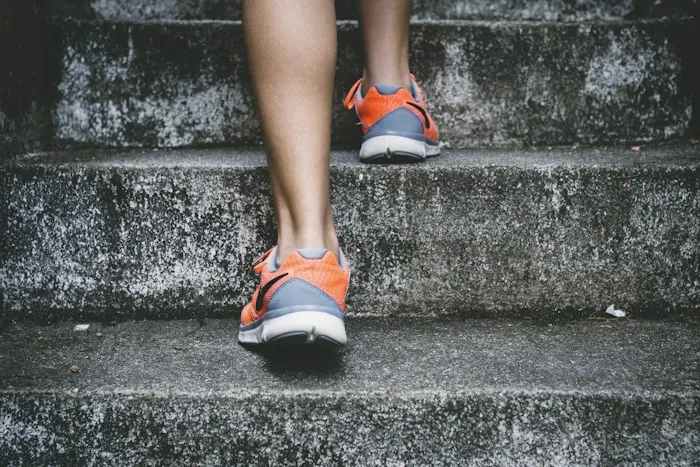
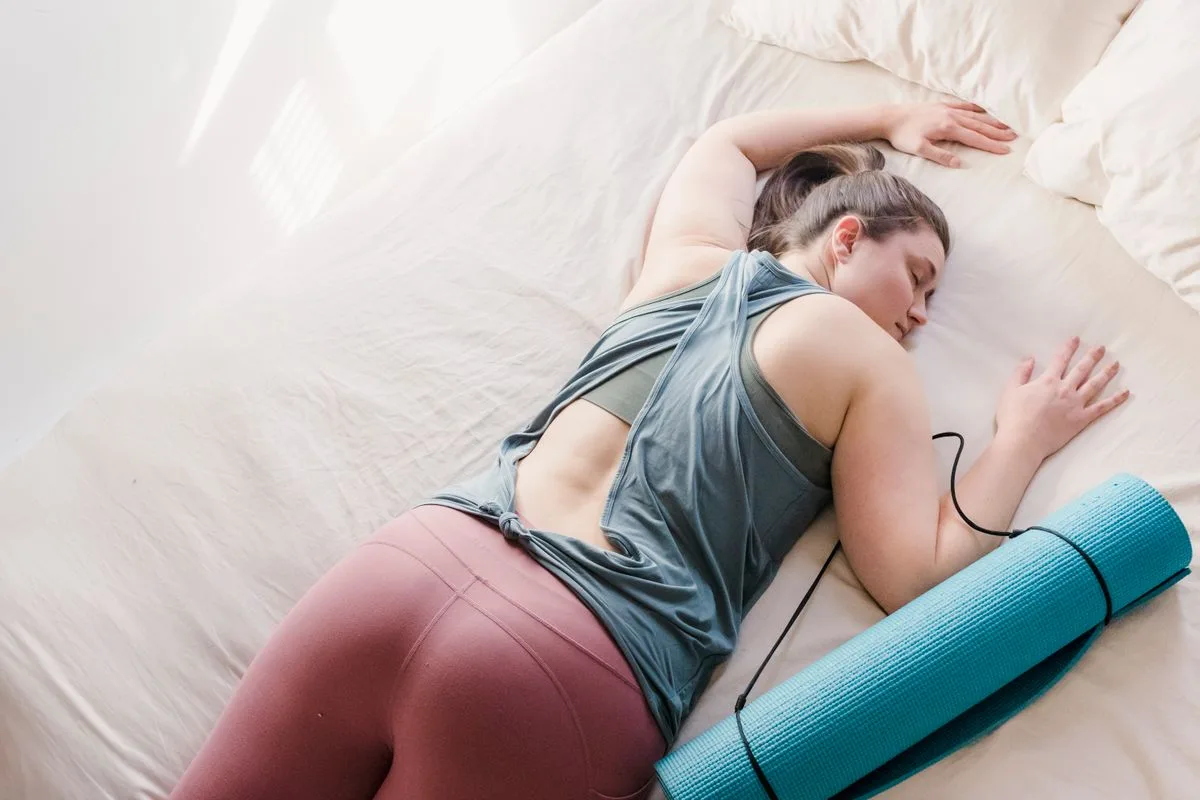
Exercise and sleep help each other. When you move regularly, you tend to fall asleep more easily and sleep better. When you sleep well, you have more energy to move.
The Sleep Foundation explains that moderate to vigorous exercise can increase sleep quality for adults by reducing the time it takes to fall asleep and decreasing the time spent awake during the night. It can also help you feel less tired during the day.
It also notes that the link runs both ways. In one set of findings, a 30-minute increase in the time to fall asleep was associated with a one-minute drop in exercise the next day.
So poor sleep and low activity can form a loop. The good news is that you can break it from either end.
Check how many hours of sleep you needWhat about sleep hormones?
You will often see claims about exercise "balancing hormones". The reality is more modest, so here is what the research actually supports.
A review on sleep and athletic performance explains that sleep directly affects growth hormone release and alters cortisol secretion, both important for recovery and adaptation to exercise. It also says poor sleep raises inflammatory markers that can hinder muscle repair.
In other words, the main hormone story is about what sleep does for your recovery. Exercise gives your body something to recover from, and good sleep helps you adapt.
Exercise also helps you sleep better in ways that are easy to feel: you are more physically tired at night, your stress is lower and your daily rhythm is steadier.
No single workout will "fix" your hormones. Regular, moderate activity combined with good sleep habits is what helps most.
Want a plan for the whole day?
The Better Sleep Guide combines schedule, movement, bedroom and wind-down into one simple plan.
How much exercise helps?
You do not need extreme workouts. The NHS suggests at least 150 minutes of moderate-intensity activity a week, or 75 minutes of vigorous activity, plus strengthening activities that work all the major muscle groups on at least 2 days a week.
It also suggests spreading exercise across 4 to 5 days, or every day, and breaking up long periods of sitting.
- Start with 10 to 15 minutes if you are new. NHS Better Health says even 10 minutes a day can make a difference.
- Choose activities you enjoy, so you keep doing them.
- Build up slowly over several weeks.
Our guides on walking for fitness and beginner strength training give simple starting points.
Timing your exercise for better sleep
Morning and daytime exercise are safe choices for sleep. Evening exercise can work too, with a few rules.
- Harvard Health: in a study of nearly 13,000 people, moderate to vigorous activity finished at least three hours before bedtime did not interfere with sleep.
- Sleep Foundation: vigorous workouts within an hour of bedtime can raise core temperature and were associated with lower sleep efficiency. Lighter exercise, such as yoga, stretching and breathing, may suit the evening.
- NHS: if exercise close to bedtime affects your sleep, try being active earlier in the day.
Daylight helps too. A walk outdoors gives you movement and light in one go.
A simple weekly plan for better sleep
This plan mixes movement types, and keeps hard sessions earlier in the day.
- Monday: 30-minute brisk walk in daylight.
- Tuesday: 20 to 30 minutes of strength work, earlier in the day.
- Wednesday: gentle yoga or stretching for 15 minutes.
- Thursday: 30-minute walk or easy bike ride.
- Friday: 20 to 30 minutes of strength work.
- Saturday: a longer active outing, such as a hike or swim, with time to wind down afterward.
- Sunday: rest or a gentle stroll, and an early night.
This adds up to close to the NHS guidance of 150 minutes of moderate activity a week plus strength work on 2 days. Adjust it for your fitness and health.
If you are new to exercise, start with three of the days and build up.
A gentle evening routine that supports sleep
- Finish any hard exercise a few hours before bed.
- Have a balanced dinner and avoid late caffeine.
- Turn off screens an hour before bed, as the NHS suggests.
- Do some gentle stretching or slow breathing.
- Go to bed at a steady time in a cool, dark, quiet room.
Our 30-minute wind-down routine shows one way to put this together.
Tips for people who are new to exercise
If you have not exercised for a while, start gently. The aim is to build a habit you can keep, not to prove anything on day one.
- Start with short walks of 10 to 15 minutes, as NHS Better Health says even 10 minutes a day can make a difference.
- Choose a regular time that fits your day.
- Pick something you enjoy, such as dancing, cycling or gardening.
- Add strength work, such as sit-to-stands and wall push-ups, once walking feels easy.
- Increase your time or effort a little each week.
- Rest when you need to.
Expect your sleep to change gradually. Some people notice a difference within a couple of weeks, and others take longer. Keep a short note each morning about how you slept, and look for patterns after a month.
If you feel worse, not better, ease off and speak to your doctor.
Exercise, stress and a calmer mind
Stress is one of the most common reasons people sleep badly. Exercise can help you burn off some tension and feel calmer, which makes it easier to unwind in the evening.
The NHS Every Mind Matters guidance says physical activity is one of the best things we can do for our mental wellbeing.
- Take a short walk after a stressful day.
- Try yoga or stretching in the evening.
- Use slow breathing after your workout. See our guide to box breathing.
- Switch off from work before you exercise, so the session is a real break.
If stress is affecting your sleep for weeks, or you feel low or anxious most days, talk to your doctor or a qualified professional. Exercise can support you, but it does not replace care.
How to tell it is working
You do not need a special device. Simple signs show you whether exercise is helping your sleep.
- You fall asleep faster than before.
- You wake less often at night.
- You feel more alert in the morning.
- You feel less sleepy in the afternoon.
- Your mood feels steadier.
Write down when you exercised and how you slept for two weeks. You may spot that morning walks help you more than evening runs, or that hard sessions late in the day cost you sleep.
Use what you see to adjust your plan. The best schedule is the one that works for your body.
Exercise and sleep as you get older
Sleep often changes with age. Many people find it harder to fall asleep or notice more waking at night. Regular activity can help, and it does not need to be intense.
The NHS suggests that adults aim for activity most days, and that includes older adults who can move safely. A daily walk, gentle strength work and balance exercises all count.
- Walk outdoors in daylight when you can.
- Do gentle strength work, such as sit-to-stands, twice a week. See our guide on sit-to-stand and squats.
- Try balance exercises. See balance exercises at home.
- Keep your evening routine calm, and avoid late caffeine.
Check with your doctor before starting a new exercise plan if you have a health condition, take medicines or have had falls.
Pair movement with daylight
Being outdoors during the day helps many people feel more awake in the daytime and more ready for sleep at night. A morning or lunchtime walk gives you both movement and light.
You do not need to go far. Ten to twenty minutes is a good start.
- Take your coffee or tea outside for a few minutes.
- Walk part of your commute.
- Have lunch outdoors when the weather allows.
- Take a short walk after dinner, in the evening light.
Our guide to walking for fitness makes it easy to build a walking habit that supports both your fitness and your sleep.
Cautions and who should check first
Exercise is safe for most people, but a few groups need extra care. Talk to your doctor before starting or changing your exercise if you have a heart condition, high blood pressure, joint problems, an injury, or if you are pregnant or have not exercised for a long time.
If exercise leaves you unusually exhausted, or you have chest discomfort, dizziness or breathlessness that is out of proportion, stop and seek medical advice.
If you have long-lasting sleep problems, talk to your doctor. Exercise can help, but it is not a treatment for sleep disorders.
This article is general education, not personal medical advice. Its reviewer, Meena Narayanan, holds a personal training credential, which is not a medical or sleep-medicine credential. If you have long-lasting sleep problems, loud snoring, breathing pauses in your sleep, or feel very sleepy in the daytime, please talk to your doctor.
Recap: the main points
- Regular moderate exercise helps you fall asleep faster and spend less time awake at night.
- Sleep supports recovery hormones, and poor sleep can hinder recovery.
- Aim for around 150 minutes of moderate activity a week plus strength work.
- Finish hard exercise at least three to four hours before bed.
- Talk to your doctor if you have a health condition or lasting sleep problems.
Exercise and sleep: frequently asked questions
For most people, yes. The Sleep Foundation says moderate to vigorous exercise can improve sleep quality by reducing the time it takes to fall asleep and the time spent awake at night.
Sleep affects growth hormone and cortisol, which matter for recovery. Regular activity and good sleep habits support this, though no single workout fixes hormones.
Morning and daytime are safe choices. Evening exercise can work if finished at least three hours before bed, according to Harvard Health, with lighter activity later.
The NHS suggests at least 150 minutes of moderate activity a week or 75 minutes of vigorous activity, plus strength work on at least 2 days.
Gentle activity such as stretching or yoga is usually fine. Vigorous exercise within an hour of bedtime can raise core temperature and make it harder to sleep.
See your doctor before you start if you have a health condition, and again if you have long-lasting sleep problems or worrying symptoms with exercise.
Want the full plan? Read our Better Sleep Guide.
Sources and further reading
We checked the figures and guidance in this article against these sources. This article does not give personal medical advice.
- Sleep Foundation: How exercise affects sleep
- Harvard Health: Does exercising in the evening affect sleep?
- PMC: Sleep and athletic performance, recovery, injury risk and mental health
- NHS Every Mind Matters: How to fall asleep faster and sleep better
- NHS: Physical activity guidelines for adults aged 19 to 64
- NHS Better Health: Lose weight
Want more? Head back to the Sleep & Recovery hub or read the Start Here guides.