What is a food diary, and why does it help?
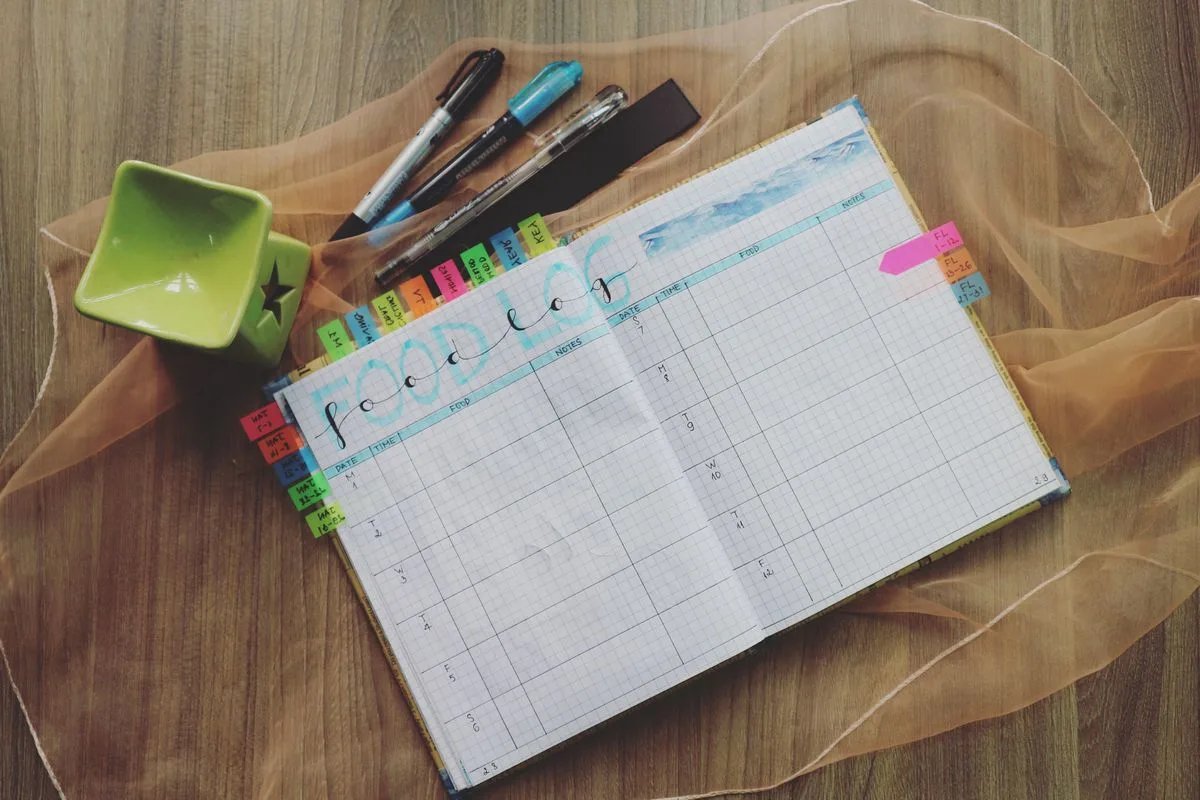
A food diary is a record of what you eat and drink, and often when, where and why. It can be a notebook, a notes app or a tracking app.
Most of us are not very good at remembering what we ate. Snacks, drinks and bites while cooking slip through our memory.
What a diary can show you
- How often you eat, and how long you go between meals.
- Where snacks and sugary drinks add up.
- Which times of day are hardest.
- Whether your meals match the balanced plate you meant to build.
- How food connects to mood, stress, sleep and tiredness.
NHS Better Health suggests tracking what you eat as part of a structured plan. Its free NHS Weight Loss Plan app lets users set a 12-week goal, track what they eat and set a daily calorie target.
The point is not to be perfect. It is to notice, so that you can choose.
See how a diary fits a full natural weight loss planHow to start a food diary
Keep the setup simple. The best diary is the one you will actually use.
Pick a format
- Paper notebook. Easy, private and quick to open.
- Notes app. Always on your phone, with no extra setup.
- Tracking app. Good if you like numbers, such as the NHS Weight Loss Plan app.
Write things down soon after you eat
Memory fades fast. Write your meal or snack as soon as you can, ideally within a few minutes.
If that is hard, take a quick photo and fill in details later.
What to record
- What: the food and drink, and a rough amount.
- When: the time.
- Where: at a table, at your desk, in the car, in front of the TV.
- Hunger: a quick rating, such as not hungry, a bit hungry, very hungry.
- Mood: a word or two, such as bored, stressed, happy or tired.
You do not need to weigh or measure everything. Rough amounts are enough to spot patterns.
Want to build your meals with a simple plan?
The Healthy Eating Guide shows how to create balanced meals without counting every number.
How long should you keep a diary?
You do not have to track forever. A short, focused period can teach you a lot.
- Two to four weeks: enough to see your usual patterns.
- Include a weekend: weekends often look different from weekdays.
- Take a break: stop when you feel you have learned what you need.
- Return when you need it: restart for a week if you feel you have drifted.
Review once a week
Set aside ten minutes on the same day each week. Read your entries and ask what you notice.
Look for patterns, not mistakes. You are collecting information, not grading yourself.
How to spot patterns and act on them
A diary is only useful if you use what it shows. Here are common patterns and simple responses.
- Sugary drinks add up. The NHS suggests swapping sugary drinks for water, with lemon or lime for flavor.
- Long gaps then big meals. The NHS advises not skipping meals, which can lead to more hunger-driven snacking. Try regular meals.
- Snacking in the evening. Plan a satisfying dinner, and choose options like popcorn, fruit or rice cakes, as the NHS suggests, instead of keeping less healthy snacks at home.
- Eating at your desk or in front of the TV. Try eating at a table for at least one meal a day and stop when you feel satisfied.
- Few vegetables. The NHS suggests at least 5 portions of fruit and vegetables a day. Add one to each meal.
- Stress eating. Note the mood entries. Try a short walk or a few slow breaths before you reach for food.
Pick one change at a time
If your diary shows five things to fix, pick one. Try it for two weeks, then choose another.
Changing everything at once is exhausting and rarely lasts.
Try a quick reset when stress hitsA sample day in a food diary
Here is what a simple diary might look like. Yours can be shorter or longer.
- 7:30 a.m., kitchen: oatmeal with fruit, tea. Hunger: a bit hungry. Mood: rushed.
- 10:30 a.m., desk: a biscuit and coffee. Hunger: not hungry. Mood: bored.
- 1:00 p.m., table: rice, lentils, vegetables and yogurt. Hunger: very hungry. Mood: calm.
- 4:00 p.m., desk: fruit and nuts. Hunger: a bit hungry. Mood: tired.
- 7:30 p.m., table: pasta with vegetables and chicken, water. Hunger: hungry. Mood: relaxed.
- 9:30 p.m., sofa: chips while watching TV. Hunger: not hungry. Mood: stressed.
What this diary shows
The biscuit and the late chips were not about hunger. They were linked to boredom and stress.
A useful next step might be a short walk at 10:30 a.m. and a calm wind-down routine in the evening, not a stricter diet.
See our 30-minute wind-down routine for an easy way to slow down at night.
Should you count calories in your diary?
Some people like numbers. Others find them stressful. Both are fine.
- If you like numbers: a tracking app can add calorie estimates. The NHS Weight Loss Plan app, for example, lets you set a daily calorie target.
- If numbers stress you out: track only what and when you eat, plus hunger and mood.
- If you are unsure: try a week without numbers, then decide.
Our article on whether you need to count calories helps you decide.
Remember that estimates are rough. A diary is a guide, not an exact measurement.
Common food diary mistakes
- Waiting until the end of the day. You will forget things.
- Leaving out drinks and bites. These often make the biggest difference.
- Judging yourself. Guilt makes people stop tracking. Stay curious.
- Tracking too much detail. Extra detail can make you quit.
- Never looking back. The insight comes from the weekly review.
- Tracking only "good" days. Honest entries on hard days are the most useful.
Make your diary easier to keep
Most people who stop tracking do so because it feels like work. These tips keep it light.
- Keep it where you will see it. Leave a notebook on the kitchen counter, or pin your app on your phone's home screen.
- Use short words. "Toast, tea" is enough.
- Set a reminder. A gentle alert after mealtimes helps you remember.
- Track the easy meal first. If breakfast is the meal you always remember, start there.
- Pair it with a habit. Fill in your diary after brushing your teeth at night, to catch anything you missed.
- Take photos. A quick photo of each meal is faster than typing.
Use your diary in a conversation
If you talk to a doctor or a registered dietitian, a few weeks of notes can help them understand your habits.
Bring your diary and your questions. It saves time and gives them useful detail.
Add sleep, movement and stress to your notes
Food is only part of the picture. A few extra notes can show how your habits connect.
- Sleep: what time you went to bed and how you felt in the morning.
- Movement: a short note, such as "walked 20 minutes".
- Stress: a one-word rating.
- Water: a quick tick for each glass.
NHS Better Health says too little sleep can make you more likely to choose high-calorie foods and too tired to exercise or cook healthy meals. A diary may show that link clearly.
See our guide on how many hours of sleep you need if your notes show poor sleep.
Look for combinations
You might notice that after a poor night, you snack more the next afternoon. Or that on days you walk, your evening cravings are lighter.
These are patterns you can use. They are more powerful than a rule you were told to follow.
When tracking may not be right for you
A food diary is a tool, and it does not suit everyone.
If writing down food makes you anxious, leads to guilt, or takes over your day, stop.
NHS Better Health advises anyone with an eating disorder history to talk to a healthcare provider before making lifestyle changes.
If you notice unhealthy thoughts or behaviors around food, please talk to your doctor or a qualified mental health professional.
This article is general education, not personal medical advice. Its reviewer, Meena Narayanan, holds a personal training credential, which is not a medical or dietetics credential. Talk to your doctor before you change your eating or exercise, especially if you have a health condition, take medicines, are pregnant, or have ever had an eating disorder.
Recap: the main points
- A food diary shows the patterns you cannot remember.
- Record what, when, where, hunger and mood, soon after you eat.
- Track for two to four weeks, including a weekend, and review weekly.
- Change one thing at a time based on what you see.
- Stop, and get support, if tracking causes stress or guilt.
Food diary: frequently asked questions
It can help you notice patterns, such as hidden snacks and sugary drinks, so you can make choices. NHS Better Health includes tracking what you eat in its weight loss plan. Results vary from person to person.
Write what you ate and drank, the time, where you were, a quick hunger rating and your mood. Rough amounts are enough.
Two to four weeks, including a weekend, is usually enough to see your patterns. You can restart for a week if you drift.
No. You can track only what, when and how you felt. If you like numbers, an app can add calorie estimates.
Use whichever you will keep using. A notebook is simple and private, and an app such as the NHS Weight Loss Plan app can add structure.
Anyone whose relationship with food is difficult, or who has had an eating disorder, should talk to a health professional before tracking. Stop if it causes anxiety or guilt.
Want the full plan? Read our Weight Management Guide.
Sources and further reading
We checked the figures and guidance in this article against these sources. This article does not give personal medical advice.
Want more? Head back to the Weight Management hub or read the Start Here guides.