
Before you start: a quick readiness check
Taking a few minutes to prepare makes the first weeks easier. You do not need to have everything figured out.
Talk to your doctor if
- You have a health condition, such as diabetes or heart disease.
- You take regular medicines.
- You are pregnant or breastfeeding.
- You have ever had an eating disorder or have a difficult relationship with food.
NHS Better Health advises anyone with medical conditions, specialized diets or an eating disorder history to talk to a healthcare provider before making lifestyle changes.
The NIDDK also recommends discussing your weight with your doctor as an important first step.
Get clear on your reason
Ask yourself why you want to do this. "Because I should" does not last. "Because I want more energy for my kids" or "because I want to move without knee pain" does.
Write your reason down and keep it where you will see it.
Turn your reason into a clear goalThe seven first steps
Do not try all seven at once. Add one every few days, and let each become normal before adding the next.
Step 1. Set a realistic pace
The NHS says to aim to lose 1 to 2 lb, or 0.5 to 1 kg, a week. The NIDDK suggests beginning with 5 to 10 percent of your starting weight over 6 months.
Rapid weight loss through restrictive diets is not recommended by the NHS.
Step 2. Swap your drinks
The NHS suggests swapping sugary drinks for water, and adding slices of lemon or lime if you do not like the taste.
It is a small change you can start today.
Step 3. Build balanced plates
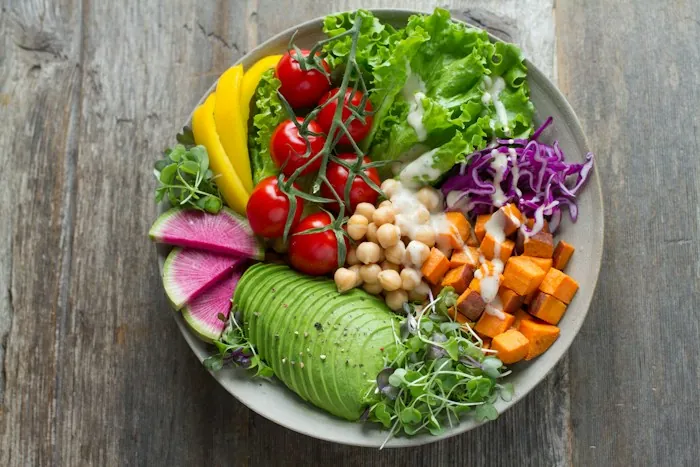
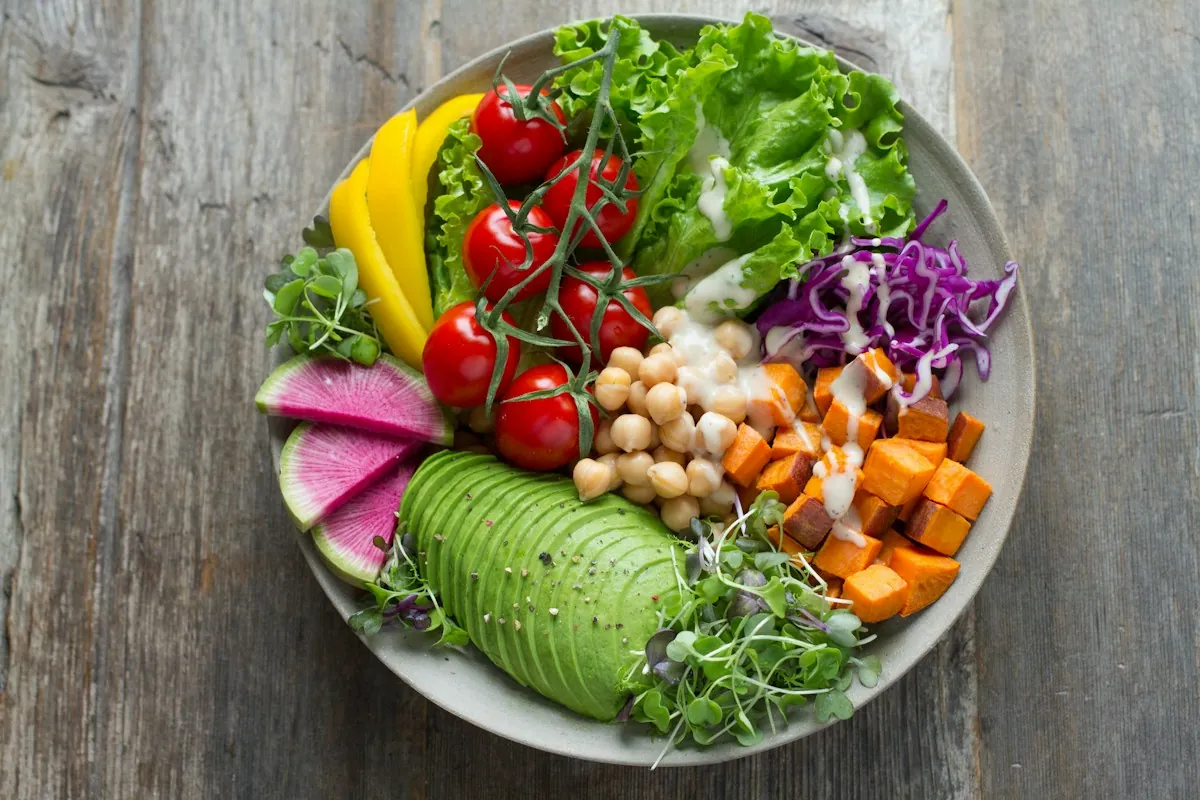
The NIDDK suggests choosing a mix of colorful vegetables and whole grains more often, such as whole-wheat bread, oatmeal or brown rice.
Our guide on how to build a balanced plate shows an easy way to do it without measuring.
Step 4. Aim for 5 A DAY
The NHS suggests aiming for at least 5 portions of a variety of fruit and vegetables a day. A portion is 80 g of fresh, canned or frozen fruit or vegetables.
Add one portion at breakfast and one more at each meal to get close.
Step 5. Move a little every day
The NHS suggests 150 minutes of activity a week, which can be broken into shorter sessions. NHS Better Health says even 10 minutes a day can make a difference.
Start with a brisk walk. Our guide on how to start walking for fitness gives you an easy plan.
Step 6. Protect your sleep
NHS Better Health says too little sleep can make you more likely to choose high-calorie foods and too tired to exercise or cook healthy meals.
Set a regular bedtime and a short wind-down. See our 30-minute wind-down routine.
Step 7. Tell someone
The NHS suggests sharing your weight loss plan with someone you trust for motivation. Ask them to check in once a week.
Want all of this in one simple plan?
The Weight Management Guide brings food, movement, sleep and habits together, step by step.
What your first week could look like
Here is one way to spread the first steps across seven days. Change it to suit you.
- Day 1: write down your reason. Swap one sugary drink for water.
- Day 2: take a 10-minute walk after a meal.
- Day 3: add a portion of vegetables to your main meal.
- Day 4: plan two dinners for the week ahead.
- Day 5: go to bed 20 minutes earlier than usual.
- Day 6: tell a friend or family member about your plan.
- Day 7: look back. What felt easy? What felt hard?
Keep the second week simple
Repeat what worked. Add one new step only if the earlier ones feel comfortable.
The goal is a routine you could keep for a year, not a perfect week.
Beginner mistakes to avoid
- Skipping meals. The NHS advises against it, since it can lead to more hunger-driven snacking.
- Crash diets. The NHS advises avoiding rapid weight loss through restrictive diets.
- Keeping tempting snacks at home. The NHS suggests choosing options like popcorn, fruit or rice cakes instead.
- Finishing your plate out of habit. The NHS suggests stopping when you feel satisfied.
- Chasing quick fixes. The NIDDK warns about claims such as "lose 30 pounds in 30 days" or "lose weight without diet or exercise."
- Doing it alone. Support makes habits easier to keep.
If a program sounds too good to be true, it usually is. Our article on losing weight fast, safely explains what to look for.
Set up your kitchen and shopping for success
What you buy and keep at home shapes what you eat. A few small changes make healthy choices the easy choices.
Shop with a list
- Plan a few dinners before you go.
- Write your list by section so you do not wander the aisles.
- Shop after a meal, not when you are hungry.
- Read labels. The NHS suggests choosing products with more green than amber or red on the label.
Stock the basics
- Vegetables, fresh, frozen and canned.
- Fruit for snacks.
- Whole grains, such as oats, brown rice and whole-wheat bread, which the NIDDK suggests choosing more often.
- Beans, lentils, eggs, fish and lean meat, or tofu, for protein.
- Plain yogurt or low-fat milk as easy snacks.
Keep tempting snacks out of sight
The NHS suggests not keeping unhealthy snacks at home and choosing options such as popcorn, fruit or rice cakes instead.
If other people in your home want treats, keep them in a cupboard, not on the counter.
Our guide on setting up a healthier kitchen has more ideas, and weekly meal planning shows how to plan a week of simple meals.
Eating out, family meals and social events
Weight loss does not mean giving up your social life. A few habits help you enjoy meals with others.
- Look at the menu ahead. Decide what you will order before you arrive.
- Add vegetables. Order a side salad or a vegetable dish.
- Slow down. Eat slowly and stop when you feel satisfied, as the NHS suggests.
- Share a dessert. Enjoy a taste without a large portion.
- Do not skip meals before an event. Arriving very hungry makes overeating more likely.
At family meals
Serve food from the counter rather than putting serving dishes on the table. Use a smaller plate if it helps you feel satisfied.
Involve your family in the plan. Cooking together turns healthy eating into a shared habit.
When you slip
One rich meal will not undo your progress. Return to your next planned meal or walk, without punishing yourself.
Kindness to yourself is not an excuse. It is what keeps you going.
Staying motivated after the first week
Motivation is highest at the start. It usually dips. Plan for that in advance.
- Keep your reason visible. Put it on the fridge or in your phone.
- Celebrate small wins. Reward habits, not just weight, with something that is not food.
- Make it enjoyable. Choose activities you like, such as dancing, walking with a friend or gardening.
- Plan for hard days. Decide in advance what your minimum version is, such as a 10-minute walk.
- Find support. Share your plan, as the NHS suggests, with someone you trust.
Look back at your notes after a month. Seeing how far you have come is often the best motivation.
Common beginner worries
"I do not have time to exercise."
Start with 10 minutes. NHS Better Health says even 10 minutes a day can make a difference. Break it into two five-minute walks if you need to.
"I do not know how to cook."
Start with three simple meals you can repeat. A tray of roasted vegetables, a pot of lentils and a simple omelette go a long way.
"I have tried before and failed."
Almost everyone has. Look at what got in the way last time, and choose a smaller change this time. Progress builds from small, repeatable steps.
"Healthy food is expensive."
Frozen and canned vegetables, beans, lentils, oats and eggs are often affordable and count toward a healthy plate. The NHS notes that fresh, canned and frozen fruit and vegetables all count toward 5 A DAY.
"People around me eat differently."
Tell them about your plan. Ask for support, not judgment. Cook simple meals everyone can enjoy, and add extra vegetables on the side.
How to track progress in the first month
Progress is more than a number. Use a few simple markers.
- Habits you completed each week.
- Energy through the day.
- How your clothes fit.
- Sleep quality.
- Your weight, no more than once a week, if it does not upset you.
Our article on why the scale is not the whole story has more ideas, and a simple food diary can show patterns you did not notice.
After four weeks, review and choose one new step.
This article is general education, not personal medical advice. Its reviewer, Meena Narayanan, holds a personal training credential, which is not a medical or dietetics credential. Talk to your doctor before you change your eating or exercise, especially if you have a health condition, take medicines, are pregnant, or have ever had an eating disorder.
Recap: the main points
- Check in with your doctor if you have a health condition or take medicines.
- Aim for a steady pace of 0.5 to 1 kg a week, per the NHS.
- Swap sugary drinks for water and build balanced plates.
- Move a little every day and protect your sleep.
- Tell someone your plan, and avoid crash diets and skipped meals.
First steps to weight loss: frequently asked questions
Start with small changes: swap sugary drinks for water, build balanced plates, walk for 10 minutes a day and protect your sleep. Talk to your doctor first if you have a health condition.
The NHS suggests aiming to lose 1 to 2 lb, or 0.5 to 1 kg, a week. Avoid rapid weight loss through restrictive diets.
Activity supports weight loss and overall health. The NHS suggests 150 minutes a week, which can be broken into shorter sessions, and NHS Better Health says even 10 minutes a day can help.
No. The NHS advises against skipping meals because it can lead to more hunger-driven snacking.
Swapping sugary drinks for water is one of the easiest. Add lemon or lime slices for flavor if you like.
See your doctor before you start if you have a health condition, take medicines, are pregnant or have had an eating disorder. Also speak to them if you are worried about your weight.
Want the full plan? Read our Weight Management Guide.
Sources and further reading
We checked the figures and guidance in this article against these sources. This article does not give personal medical advice.
- NHS: 12 tips to help you lose weight
- NIDDK: Health tips for adults
- NIDDK: Choosing a safe and successful weight-loss program
- NHS Better Health: Lose weight
Want more? Head back to the Weight Management hub or read the Start Here guides.