
What does "fast but safe" really mean?
Everyone wants results quickly. The good news is that you can make steady progress without harming your health.
The key is to be clear about what a safe pace looks like.
- NHS: aim to lose 1 to 2 lb, or 0.5 to 1 kg, a week.
- NIDDK: experts recommend beginning with a loss of 5 to 10 percent of your starting weight over 6 months.
These are guardrails, not promises. Some weeks you may lose more, and some weeks less.
Rapid weight loss through restrictive diets is not recommended by the NHS.
Why slower is often faster in the long run
Extreme plans are hard to follow. You feel hungry, tired and cranky, and many people find they cannot keep it up.
A steady plan feels manageable, so you keep going. Over months, consistency usually beats intensity.
See a steady, natural weight loss planRed flags: plans that are not safe
The NIDDK lists warning signs that a program may not be safe or honest. Watch for these.
- Promises like "lose weight without diet or exercise!"
- Promises like "lose 30 pounds in 30 days!"
- Claims that you can lose weight in a specific part of your body.
- Small print with asterisks that changes the promise.
- Dramatic before-and-after photos.
Signs of a safe, sensible program
According to the NIDDK, a trustworthy program should include:
- A healthy, reduced-calorie eating and drinking plan.
- A plan for increasing physical activity if appropriate.
- Guidance and support for adopting these lifestyle habits.
- A plan for keeping the weight off.
If a plan skips these basics or asks you to cut out whole food groups without a medical reason, be careful.
Want a plan built on the safe basics?
The Weight Management Guide covers food, movement, sleep and habits with a steady pace.
Why crash diets backfire
A crash diet cuts food sharply for a short time. It can feel exciting at first, but it often ends badly.
- You get hungry and tired. It becomes hard to think or exercise.
- You skip meals. The NHS says skipping meals can lead to more hunger-driven snacking.
- It feels like punishment. That makes it hard to keep going.
- You return to old habits. If the plan was not a way of eating you can keep, the weight can return.
- You can miss nutrients. Very restrictive plans may leave you short of what your body needs.
The answer is not to try harder. It is to choose a plan you can live with.
Safe ways to make faster progress
You cannot force your body to lose weight faster than is safe. You can, however, remove things that slow you down and add habits that help.
1. Swap sugary drinks
The NHS suggests swapping sugary drinks for water, with lemon or lime slices if you like. It can cut a lot of extra sugar with very little effort.
2. Build balanced meals
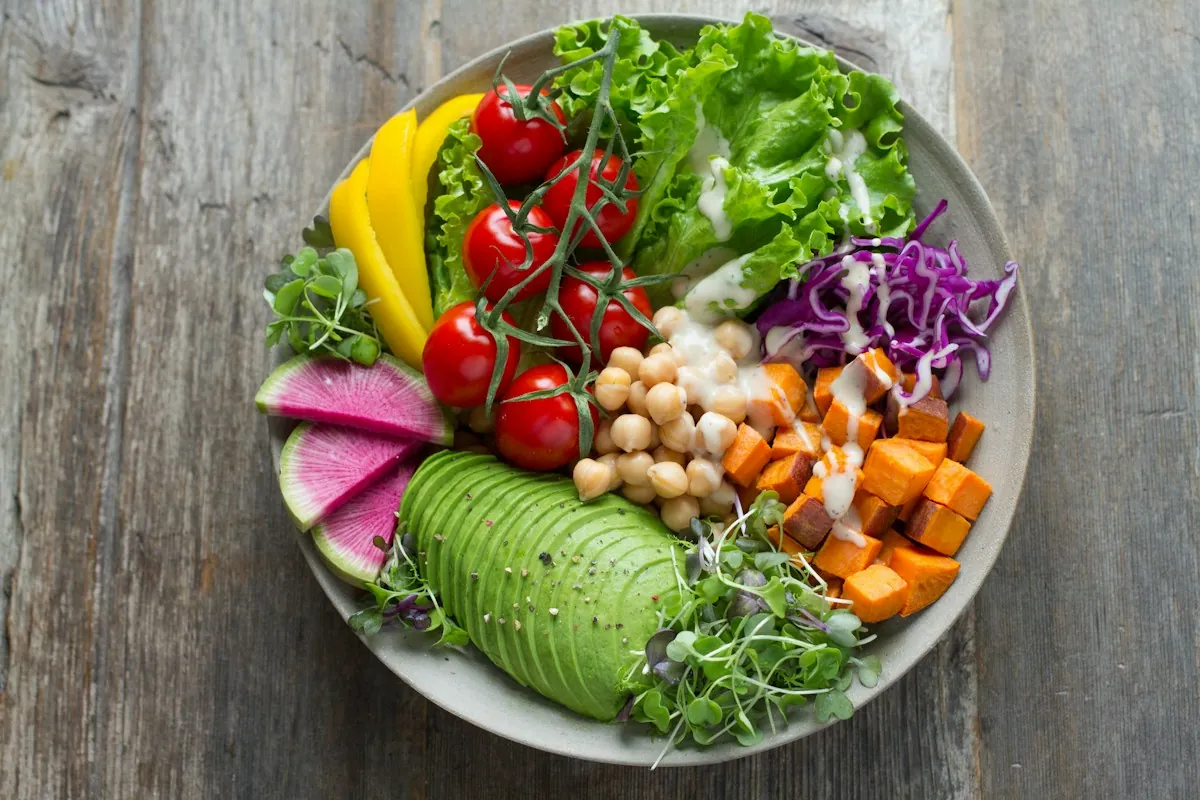
Fill your plate with vegetables, add protein and a starchy food, and choose whole grains more often, as the NIDDK suggests.
See our guide on how to build a balanced plate.
3. Reduce high-sugar, high-fat extras
The NHS suggests cutting down on high-sugar and high-fat foods and swapping sugary cereals for wholegrain options.
4. Move more
The NHS suggests 150 minutes of activity a week, which you can break into shorter sessions. The NIDDK says at least 150 minutes of moderate-intensity aerobic activity a week, and 300 minutes may lower the risk of heart disease and type 2 diabetes.
It also recommends at least 2 days a week of muscle-strengthening activity.
5. Sleep more
NHS Better Health says too little sleep makes people more likely to choose high-calorie foods and too tired to exercise or cook healthy meals.
Protect your sleep as part of your plan.
6. Track and review
A short-term food diary shows where extras sneak in.
7. Get support
The NHS suggests sharing your plan with someone you trust for motivation.
Set a goal that fits a safe paceA safe seven-day kickstart
A short kickstart can build momentum. Keep it gentle and focus on habits you can continue.
- Day 1: swap sugary drinks for water. Take a 10-minute walk.
- Day 2: add vegetables to two meals. Do not skip breakfast or lunch.
- Day 3: plan your meals for the next three days.
- Day 4: walk for 20 minutes and do a short strength session.
- Day 5: go to bed 30 minutes earlier.
- Day 6: cook one meal from scratch.
- Day 7: review the week and choose habits to keep.
A kickstart is not about fast weight loss in seven days. It is about starting habits that carry you into the weeks ahead.
What to expect
Some people notice little change on the scale in the first week, and that is normal.
Both are normal. Weight changes day to day for many reasons. Keep going for a few weeks before you judge the results.
Myths about fast weight loss
Myth 1: You can spot-reduce fat
The NIDDK lists claims that you can lose weight in a specific part of your body as a warning sign. No exercise removes fat from one area only.
Myth 2: Skipping meals speeds things up
The NHS says skipping meals can lead to more hunger-driven snacking, which works against you.
Myth 3: Supplements and detox products are a shortcut
Be careful with products that promise fast results. The NIDDK advises caution with unrealistic claims and small print. If you are thinking about a supplement, talk to your doctor or pharmacist first.
Myth 4: More exercise always means faster loss
Movement is valuable, but very hard training on very little food can leave you exhausted and injured. Build up gradually, and include rest days.
The NIDDK recommends at least 1 day of rest between muscle-group workouts.
Myth 5: If it is not fast, it is not working
Progress is rarely a straight line. Weight moves up and down. Look at your trend over weeks and use other markers too, such as energy, sleep and strength.
Who needs extra care
Some people need medical guidance before starting any weight loss plan. This includes people who:
- Have diabetes, heart disease, kidney problems or another long-term condition.
- Take regular medicines that could be affected by weight loss or diet changes.
- Are pregnant or breastfeeding.
- Are under 18 or are older adults with frailty or low muscle.
- Have had an eating disorder or feel anxious about food and weight.
For these groups, a fast approach may not be safe. Your doctor or a registered dietitian can suggest a plan that fits your health.
If your weight changes without trying, or you feel unwell, speak to a doctor.
A simple daily checklist for a steady pace
Use this short checklist to keep your habits on track. You do not need to tick every box every day.
- Did I drink water instead of a sugary drink at least once?
- Did I add vegetables to at least two meals?
- Did I eat regular meals, without skipping?
- Did I move for at least 10 minutes?
- Did I go to bed at a reasonable time?
- Did I stop eating when I felt satisfied at least once?
How to use it
Aim for most boxes on most days. If you tick four or five on a normal day, you are doing well.
On busy days, choose the two that matter most to you and let the rest go.
Review the pattern on Sundays. The habits you tick most often are the ones that will drive your results.
Pair the checklist with a goal
Use the checklist alongside a clear target. Our article on setting smart weight loss goals shows how.
Keeping the weight off
Losing weight is one step. Keeping it off is the other half.
The NIDDK lists a plan for keeping the weight off as a sign of a safe program.
- Keep the habits that worked, such as water instead of sugary drinks and regular activity.
- Continue weighing yourself or tracking another marker, if it helps and does not upset you.
- Expect small ups and downs, and respond early.
- Keep your support, such as a friend, a group or a health professional.
- Focus on how you feel, not only on the number.
Our article on why the scale is not the whole story shows other ways to track progress.
When to talk to a professional
Talk to your doctor before you start any weight loss plan, especially if you have a health condition, take medicines, are pregnant or breastfeeding, or have had an eating disorder.
The NIDDK says that talking with your doctor about your weight is an important first step, particularly if excess weight may lead to problems such as high blood pressure, heart disease and diabetes.
A registered dietitian can help you build a plan around your preferences.
This article is general education, not personal medical advice. Its reviewer, Meena Narayanan, holds a personal training credential, which is not a medical or dietetics credential. Talk to your doctor before you change your eating or exercise, especially if you have a health condition, take medicines, are pregnant, or have ever had an eating disorder.
Recap: the main points
- A safe pace is about 0.5 to 1 kg (1 to 2 lb) a week, per the NHS.
- Avoid crash diets and claims like losing 30 pounds in 30 days.
- Speed up safely with drink swaps, balanced meals, more movement and sleep.
- A safe program has a plan for keeping the weight off.
- Talk to your doctor before you start.
Losing weight fast and safely: frequently asked questions
The NHS suggests aiming to lose 1 to 2 lb, or 0.5 to 1 kg, a week. Rapid weight loss through restrictive diets is not recommended.
You may see changes on the scale in a week, but a safe, lasting loss builds over weeks and months. A one-week kickstart is best used to start habits, not to chase a number.
The NHS advises avoiding rapid weight loss through restrictive diets. They are hard to keep up and often lead to regaining weight.
There is no shortcut, but steady habits help most: swap sugary drinks for water, build balanced meals, move regularly, sleep well and get support.
The NIDDK says a safe program includes a healthy reduced-calorie plan, an activity plan, guidance and support, and a plan for keeping the weight off. Be wary of unrealistic promises.
Yes, especially if you have a health condition, take medicines, are pregnant or have had an eating disorder.
Want the full plan? Read our Weight Management Guide.
Sources and further reading
We checked the figures and guidance in this article against these sources. This article does not give personal medical advice.
- NHS: 12 tips to help you lose weight
- NIDDK: Choosing a safe and successful weight-loss program
- NIDDK: Health tips for adults
- NHS Better Health: Lose weight
Want more? Head back to the Weight Management hub or read the Start Here guides.