

What safe weight loss looks like
Weight loss is simple to describe and hard to do. Over time, you lose weight when you use more energy than you take in. The challenge is doing it in a way that is safe, sustainable and enjoyable.
Two trusted sources give clear guardrails. The NHS suggests aiming to lose 1 to 2 lb, or 0.5 to 1 kg, a week. The NIDDK says experts recommend beginning with a loss of 5 to 10 percent of your starting weight over 6 months.
The NIDDK also describes what a safe program includes:
- A healthy, reduced-calorie eating and drinking plan.
- A plan for increasing physical activity if appropriate.
- Guidance and support for adopting these lifestyle habits.
- A plan for keeping the weight off.
It warns against promises like "lose weight without diet or exercise" and "lose 30 pounds in 30 days". The NHS also advises avoiding rapid weight loss through restrictive diets.
Learn the safe way to go fasterWhy weight loss can matter for your health
Weight is not the only measure of health, and it never defines your worth. Still, for many people, a modest weight loss can bring real health benefits.
The NIDDK lists many health conditions linked with excess weight, including type 2 diabetes, high blood pressure, heart disease, stroke and joint problems. It notes that nearly 9 in 10 people with type 2 diabetes have overweight or obesity.
It also says that even modest weight loss, in the range of 5 to 7 percent of body weight, can help prevent or delay the onset of diabetes, and that weight loss can lower several risk factors for heart disease.
That is why the guidance focuses on a first goal of 5 to 10 percent, not a dramatic transformation.
Health is bigger than weight
Movement, sleep, food quality, stress and social support all shape health. You can improve many of these without focusing on the number on the scale.
If your doctor has raised concerns about your weight, or you have a health condition, ask what targets make sense for you.
Step 1: Get ready and talk to your doctor
Before you begin, take a moment to prepare. Ask yourself why you want to lose weight. Your reason should be personal and positive, such as more energy, easier movement or better health.
Talk to your doctor if you have a health condition, take medicines, are pregnant or breastfeeding, or have ever had an eating disorder. NHS Better Health advises anyone in these situations to speak to a healthcare provider before making lifestyle changes.
Read our beginner's guide to your first steps for a gentle start.
Step 2: Set smart goals
Clear goals turn a wish into a plan. Use the SMART method: specific, measurable, achievable, relevant and time-bound.
Set an outcome goal, such as a weight range over six months, plus habit goals you fully control, such as walking after dinner on four days a week.
Our guide on how to set smart weight loss goals gives worked examples and a monthly review routine.
Want one clear plan for the whole journey?
The Weight Management Guide combines food, movement, sleep and habits into a steady, week-by-week framework.
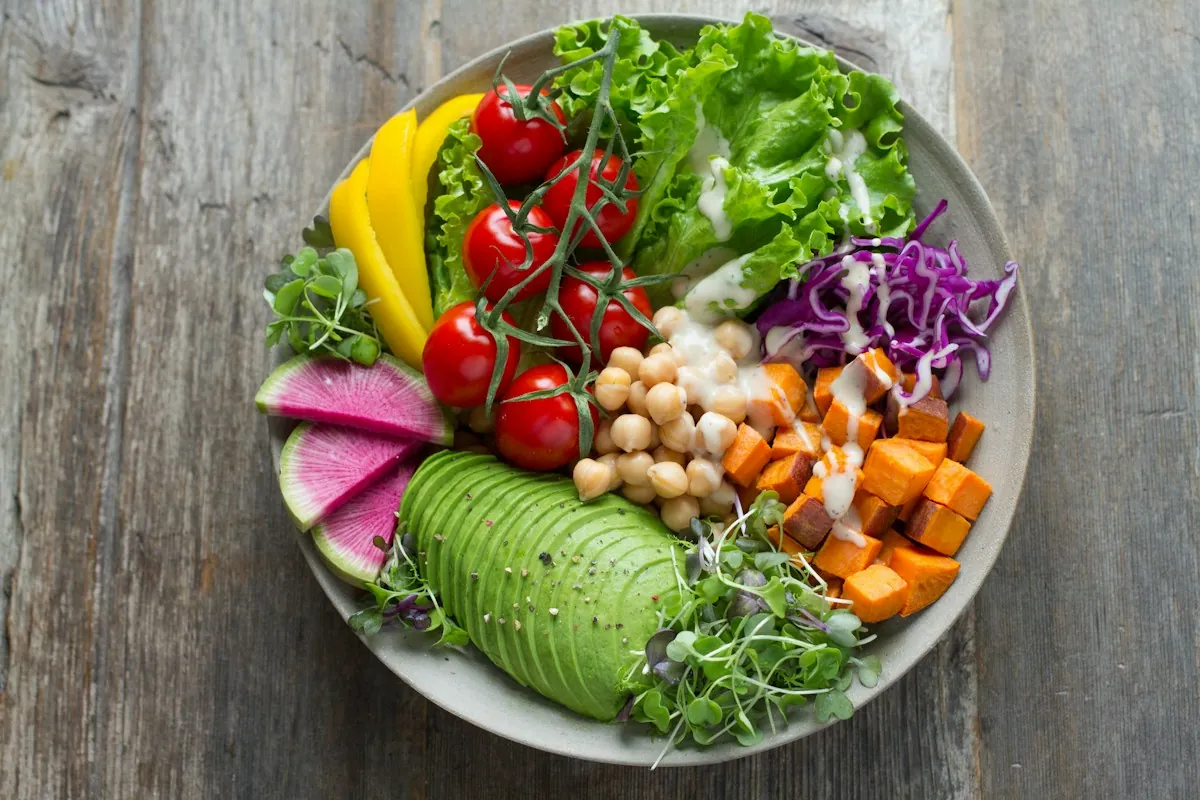
Step 3: Build balanced meals
Food is the biggest lever for most people. You do not need a strict diet. You need meals that fill you up and fit your life.
- Fill about half your plate with vegetables.
- Add a protein, such as fish, eggs, beans or lean meat.
- Add a starchy food, choosing whole grains more often, as the NIDDK suggests.
- Aim for at least 5 portions of fruit and vegetables a day, as the NHS suggests.
- Swap sugary drinks for water.
- Do not skip meals, and stop when you feel satisfied.
For ideas, see our guides on the best foods for fat loss, building a balanced plate and weight loss meal planning.
Step 4: Be aware of what you eat
Many of us eat more than we realize. Awareness helps you make choices without strict rules.
Try a short-term food diary, read labels using the NHS tip of choosing more green than amber or red, and decide whether counting calories suits you.
If tracking makes you anxious, stop and talk to a professional. It should be a tool, not a source of stress.
Step 5: Move more, and build strength
The NHS suggests at least 150 minutes of moderate-intensity activity a week, or 75 minutes of vigorous activity, and strengthening activities on at least 2 days a week. It suggests spreading activity across 4 to 5 days, or every day, and reducing time spent sitting.
The NIDDK adds that 300 minutes a week may lower the risk of heart disease and type 2 diabetes, and suggests at least 1 day of rest between workouts for the same muscle groups.
If that sounds like a lot, start small. NHS Better Health says even 10 minutes a day can make a difference.
Start with our guides on walking for fitness and strength training for weight loss.
Step 6: Protect your sleep
Sleep is a hidden part of weight loss. The NIDDK notes that people who get too little sleep tend to weigh more than those who get enough. NHS Better Health says too little sleep makes you more likely to choose high-calorie foods and too tired to exercise or cook healthy meals.
Keep regular sleep times, a quiet, dark, cool bedroom and less screen time before bed.
Read more in our article on sleep and weight loss and our guide to how many hours of sleep you need.
Step 7: Build a daily routine
A routine turns good intentions into habits. Choose a few anchors, such as wake-up time, meals, movement and bedtime, and attach small habits to each.
Our morning routine for weight loss and daily routine guide show how.
If habits do not stick, read how to build a habit that sticks.
Step 8: Ignore quick fixes and myths
Marketing around weight loss is loud. A few reminders help.
- No single food burns fat.
- Supplements are not a shortcut. The NCCIH says acai berry, bitter orange and green tea supplements have not been shown to produce meaningful weight loss.
- Intermittent fasting is not shown to beat regular calorie restriction, according to Harvard.
- Your metabolism is mostly set by genes, but building muscle, moving and sleeping well still help, as Harvard Health explains.
See our articles on fat burners and boosting metabolism naturally.
Step 9: Track progress kindly
The scale is one measure. Also watch your energy, sleep, strength, clothes and habits. Our article on why the scale is not the whole story has more ideas.
Review monthly. Ask what worked, what was hard and what to change next.
Step 10: Plan for keeping weight off
Losing weight is one part of the journey. Keeping it off is the other. The NIDDK lists a plan for keeping the weight off as part of a safe program.
Keep the habits that worked, stay connected to your support and continue checking in on your progress. Expect small ups and downs, and respond early.
How much should you eat?
Calorie needs vary by age, size, sex and activity. As a rough guide, the NHS says men need about 2,500 calories a day and women about 2,000 calories a day to maintain a healthy weight.
These are averages. Your own needs may be higher or lower. To lose weight, you generally need to eat a little less or move a little more than you do now.
You do not have to count
Some people like to track calories, and the free NHS Weight Loss Plan app lets you set a daily calorie target. Others prefer balanced plates and portion awareness.
Both can work. The key is to choose an approach you can follow calmly.
- If you count, use it as a guide, not a rule.
- If you do not count, use the plate method and stop when you feel satisfied, as the NHS suggests.
- If either approach causes stress, talk to a professional.
Do not aim for extremely low intake. Very restrictive plans are hard to keep, and the NHS advises avoiding rapid weight loss through restrictive diets.
What to do when progress slows
Almost everyone hits a slow patch. Weight moves up and down, and your body responds to change in its own time. A stall does not mean failure.
- Check the basics. Are you still doing the habits you planned, most days?
- Look at the extras. Drinks, snacks and portions can creep up.
- Look at sleep and stress. They shape appetite and energy.
- Add or change movement. Try a new activity, or add a short strength session.
- Give it time. Look at the trend over a month, not a single week.
- Ask for help. A doctor or dietitian can check for other factors.
Resist the urge to slash your food or add extreme exercise. That usually makes things harder to sustain.
Go back to your goals. Our article on setting smart weight loss goals shows how to review and adjust.
Mindset and your relationship with food
How you think about food and your body affects how long you can stay with a plan. A harsh, all-or-nothing mindset often leads to giving up.
A kinder mindset helps you stay steady.
- Treat slips as information, not failure.
- Avoid labeling foods as good or bad. Think about balance across the week.
- Speak to yourself as you would to a friend.
- Celebrate habits, not just results.
- Notice how you feel, not only how you look.
Our five-minute reset and mindfulness for beginners can help on tough days.
If you notice that food or weight thoughts feel obsessive, or that you have unhealthy patterns such as skipping meals or bingeing, please talk to a doctor or a qualified mental health professional.
A sample week
Here is how the steps can look in a normal week. Change it to fit you.
- Daily: water instead of sugary drinks, vegetables at two meals, regular meals and a steady bedtime.
- Monday and Thursday: a short strength session.
- Tuesday, Friday and Saturday: a brisk walk or another activity you enjoy.
- Sunday: plan meals, shop and prepare a few basics.
This is a starting point, not a rule. If you have a health condition, ask your doctor what is safe for you.
Common mistakes
- Setting a goal that is too big or too fast.
- Skipping meals, which the NHS says can lead to more hunger-driven snacking.
- Cutting out whole food groups without a medical reason.
- Relying on supplements or detox products.
- Ignoring sleep and stress.
- Judging progress only by the scale.
- Trying to do everything at once.
- Going it alone without support.
When to get help
Talk to your doctor before you start, and again if you feel unwell or unsure. A registered dietitian can build a plan around your health and preferences.
If thoughts about food and weight feel overwhelming, please talk to a qualified professional.
This article is general education, not personal medical advice. Its reviewer, Meena Narayanan, holds a personal training credential, which is not a medical or dietetics credential. Talk to your doctor before you change your eating or exercise, especially if you have a health condition, take medicines, are pregnant, or have ever had an eating disorder.
Recap: the main points
- Aim for a safe pace of about 0.5 to 1 kg a week, per the NHS.
- Set smart goals and build balanced meals.
- Move regularly, add strength work on 2 days a week and protect your sleep.
- Ignore quick fixes, and track progress in several ways.
- Plan for keeping weight off, and talk to your doctor first.
Weight loss: frequently asked questions
Talk to your doctor if you have a health condition, set a realistic goal, swap sugary drinks for water, build balanced meals, move a little every day and protect your sleep.
The NHS suggests aiming to lose 1 to 2 lb, or 0.5 to 1 kg, a week.
The NIDDK says experts recommend beginning with a loss of 5 to 10 percent of your starting weight over 6 months.
The NHS suggests at least 150 minutes of moderate activity a week, or 75 minutes of vigorous activity, plus strength activities on at least 2 days.
The NCCIH says popular supplements such as acai berry, bitter orange and green tea have not been shown to produce meaningful weight loss. Talk to your doctor before taking any.
Keep the habits that worked, stay connected to your support, keep checking your progress and respond early to small changes.
Want the full plan? Read our Weight Management Guide.
Sources and further reading
We checked the figures and guidance in this article against these sources. This article does not give personal medical advice.
- NHS: 12 tips to help you lose weight
- NIDDK: Health tips for adults
- NIDDK: Choosing a safe and successful weight-loss program
- NHS Better Health: Lose weight
- NHS: Physical activity guidelines for adults aged 19 to 64
- NCCIH: 6 things to know about dietary supplements marketed for weight loss
- Harvard Health: Can you increase your metabolism?
- Harvard Nutrition Source: Intermittent fasting for weight loss
- NIDDK: Health risks of overweight and obesity
Want more? Head back to the Weight Management hub or read the Start Here guides.