
Why check-ups matter
Many conditions, such as high blood pressure, high cholesterol and type 2 diabetes, can develop without obvious symptoms. By the time you feel unwell, they may be well established. Routine checks can find them early, when they are often easier to manage.
The NHS says lowering your blood pressure even a small amount can help reduce your risk of health problems, and it advises healthy lifestyle changes such as staying active, eating well, keeping alcohol low and not smoking.
Check-ups also give you a chance to ask questions, review your medicines and get advice about screening, vaccinations and healthy habits.
See heart-healthy habits after 50The NHS Health Check
The NHS Health Check is a free check-up of the health of your heart and blood vessels. In England, adults aged 40 to 74 without an existing cardiovascular condition are invited every 5 years. The appointment takes about 20 to 30 minutes.
- What it measures: height, weight, waist measurement, blood pressure, cholesterol and blood sugar.
- What it asks about: smoking, alcohol, physical activity and family history.
- What you get: a cardiovascular risk score, showing your risk of a heart or circulation problem over the next 10 years, described as low, moderate or high.
- What it aims to find: conditions such as heart disease, stroke, diabetes and kidney disease before symptoms develop.
This describes the service in England. Other countries have different programs, so ask your doctor what is offered where you live.
Want a plan for healthy habits at any age?
The Start Here guides show how to build simple habits step by step.
Common checks and what they tell you
- Blood pressure: high blood pressure often has no symptoms. The NHS lists a target below 135/85 mmHg for many people in prevention advice.
- Cholesterol: high LDL cholesterol raises heart disease risk.
- Blood sugar: checks for diabetes and prediabetes.
- Weight and waist: help assess health risk.
- Eyes, hearing and teeth: regular checks catch problems early.
Your doctor will suggest which checks you need, based on your age, history and risks.
How to prepare for an appointment
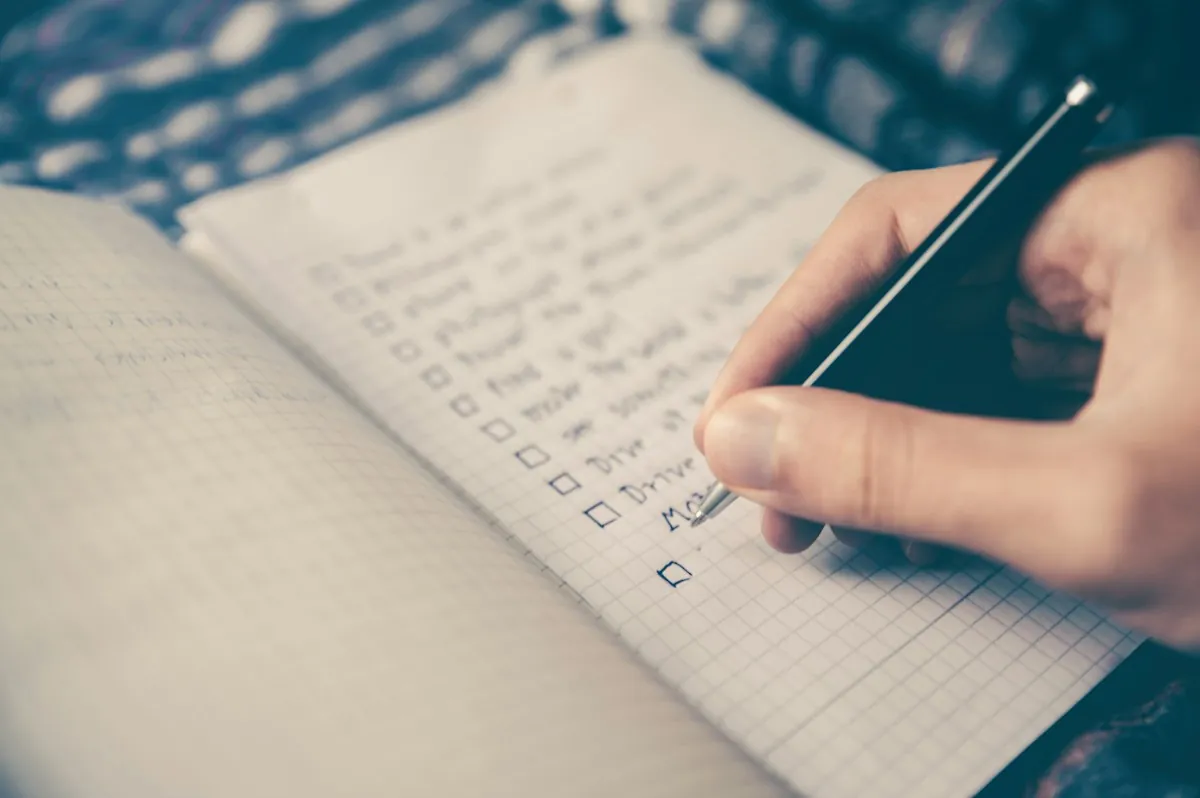
- Write down your questions and symptoms.
- List your medicines and supplements.
- Note your family history of major conditions.
- Bring recent test results.
- Ask a friend or family member to come with you if that helps.
- Be honest about smoking, alcohol, sleep and stress.
Questions to ask
- What do my results mean?
- What should my blood pressure and cholesterol be?
- Which checks or vaccinations do I need, and how often?
- Do my medicines have side effects I should watch for?
- What changes to food, exercise or sleep would help most?
- When should I come back?
A worked example: an overdue check
Ravi, 52, has not seen a doctor for years. After his letter for a health check arrives, he books an appointment and writes down questions.
The check finds slightly high blood pressure. His doctor suggests more exercise, less salt and a recheck in a few months.
Ravi feels reassured that it was caught early, and he starts taking a daily walk.
A simple checklist for the year
- January: book any overdue check.
- Spring: review medicines with your pharmacist.
- Summer: eye test.
- Autumn: vaccinations, if advised.
- Any time: tell your doctor about new symptoms.
Adjust the plan to your fitness and health, and repeat a week if it feels like too much.
Common mistakes to avoid
- Waiting for symptoms. Many conditions have none early on.
- Skipping checks because you feel fine. Fine does not always mean healthy.
- Not bringing a medicine list. It helps your doctor.
- Not asking questions. Prepare a few.
- Ignoring results. Follow up on advice.
Regular checks are a small time investment for your future health.
Myths worth dropping
Myth 1: Check-ups are only for older people
Some checks start at 40 in the UK, but younger adults may need checks too. Ask your doctor.
Myth 2: If I feel fine, I am fine
High blood pressure and cholesterol often cause no symptoms.
Myth 3: Bad results mean it is too late
Finding problems early gives you more options.
Questions to ask yourself
A few honest questions help you tailor these ideas to your own life.
- When was my last check?
- What are my main health worries?
- What questions do I have?
- What family history should I share?
- What would make it easier to book?
Adapting it to your situation
- If you are just starting out: begin with five to ten minutes, and build up slowly.
- If you have a health condition: ask your doctor what is safe, and which signs mean stop.
- If you live alone: tell someone your plan, and keep a phone within reach.
- If you care for someone else: use short bursts, and share activity with them if possible.
- If you have limited mobility: choose seated or supported versions of exercises.
The habit is the same for everyone. Only the setting and the pace change.
Track how it goes
A light record helps you see what works. It takes less than a minute.
- Tick a calendar on days you do the habit.
- Note your energy on a 1 to 5 scale.
- Write one line about what helped or got in the way.
- Review every two weeks and change one thing.
Keeping it going
- Pick a fixed time that suits your energy.
- Link it to something you already do.
- Use a calendar or diary to tick off each day.
- Do it with a friend or family member.
- Celebrate progress that is not about weight or speed.
- Restart the next day if you miss one.
Our article on how to build a habit that sticks has more ideas.
When to get support
These are everyday habits. Talk to your doctor if you have a health condition, persistent tiredness, symptoms that worry you or questions about your own needs.
A doctor, pharmacist, physiotherapist or dietitian can look at your situation and tailor advice.
This article is general education, not personal medical or dietary advice. Its reviewer, Meena Narayanan, holds a personal training credential, which is not a medical or dietetics credential. Talk to your doctor before you change your exercise or eating habits, especially if you have a health condition, take medicines, are pregnant or have not exercised for a long time.
Check-ups in different countries
Health services differ around the world. The NHS Health Check described here is offered in England to adults aged 40 to 74. Other countries have their own schemes, and the ages and checks vary.
- Ask your doctor or local health service which checks are offered.
- Ask how often you need blood pressure, cholesterol and blood sugar tests.
- Find out about screening programs for cancers and other conditions.
- Keep a record of your results and dates.
If you do not have easy access to a doctor, look for community clinics, pharmacies and workplace health checks.
Do not forget your mind and mood
A check-up is also a good time to mention sleep, stress, low mood or anxiety. NIMH says to talk to a professional if you have severe or distressing symptoms lasting 2 weeks or more.
- Tell your doctor if you feel low, anxious or very stressed.
- Mention changes in sleep, appetite or energy.
- Ask about local support and services.
- If you are in crisis, contact your emergency number or a crisis line. In the US, call or text 988.
See our guides to managing everyday stress and why talking about your feelings matters.
Your personal health record
- Date and result of your last blood pressure check.
- Date and result of your last cholesterol and blood sugar tests.
- List of medicines and supplements.
- Vaccinations and screening dates.
- Family history of major conditions.
- Names and numbers of your doctor and pharmacy.
Keeping a simple record on paper or in a notes app makes appointments quicker and more useful.
Making the most of the visit
- Start with your most important concern.
- Ask the doctor to explain terms you do not understand.
- Write down advice, or ask for it in writing.
- Ask what the next step is, and when.
- Tell the doctor if you cannot follow the plan, so they can adjust it.
A good appointment is a conversation. You are the expert on your own life, and your doctor is the expert on health.
When not to wait for a routine visit
Routine checks are for staying well. If you notice something new or worrying, do not wait.
- Chest pain, severe breathlessness or fainting: call your emergency number.
- A lump, unexplained weight loss or bleeding.
- Persistent tiredness, cough or changes in bowel habits.
- Low mood or anxiety that lasts for weeks.
- Any symptom that worries you.
See our guide to boosting your energy levels, which includes when tiredness needs a doctor.
Recap: the main points
- Routine checks find problems such as high blood pressure and cholesterol early.
- In England, the NHS Health Check is offered every 5 years to adults aged 40 to 74.
- It includes blood pressure, cholesterol, blood sugar, weight and lifestyle questions.
- Prepare questions and a medicine list.
- Do not wait for a routine visit if you have worrying symptoms.
Routine check-ups: frequently asked questions
They can find conditions such as high blood pressure, high cholesterol and diabetes before symptoms appear, when they are often easier to manage.
A free check-up of heart and blood vessel health for adults aged 40 to 74 in England without existing cardiovascular conditions, offered every 5 years.
Height, weight, waist, blood pressure, cholesterol and blood sugar, plus questions about smoking, alcohol, activity and family history.
It depends on your age, history and risks. Ask your doctor what schedule suits you.
Many conditions have no symptoms early on, so checks are still useful.
Seek help promptly for chest pain, severe breathlessness, fainting, or any new symptom that worries you.
Want a step-by-step start? Explore the Start Here guides.
Related reading: The Importance of Practicing Good Hygiene for Your Health
Sources and further reading
We checked the figures and guidance in this article against these sources. This article does not give personal medical advice.
Want more? Head back to the Healthy Living hub or read the Start Here guides.