How to use this list
Healthy habits are small actions you repeat until they feel normal. Ten habits can sound like a lot, so treat this as a menu. Pick one that appeals, do it for two weeks, and only then add another.
Each habit below links to a deeper guide, so you can go further when you are ready.
See how to build a habit that sticksHabit 1: Sleep well
The NHS says going to bed and getting up at similar times each day helps your body know when it is time to sleep, and it suggests a quiet, dark, cool bedroom and no screens for an hour before bed. See 5 healthy ways to improve your sleep quality.
Habit 2: Move often
The NHS suggests at least 150 minutes of moderate activity a week, or 75 minutes of vigorous activity, plus strength work on at least 2 days. NHS Better Health says even 10 minutes a day can make a difference. See our home workout guide and walking guide.
Habit 3: Eat balanced meals
The NHS suggests basing meals on starchy carbohydrates, eating at least 5 portions of fruit and vegetables a day, and having fish twice a week. See how to build a balanced plate.
Want a simple plan for all of these?
The Start Here guides help you build habits one step at a time.
Habit 4: Drink enough fluids
The NHS suggests 6 to 8 glasses of fluid a day, and swapping sugary drinks for water. See the benefits of drinking enough water.
Habit 5: Connect with people
The NHS says good relationships are important for your mental wellbeing. Call a friend, share a meal or join a group. See why talking about your feelings matters.
Habit 6: Manage stress
NIMH lists exercise, regular meals, a sleep routine, journaling and reaching out to friends and family as healthy ways to cope. See 5 healthy ways to manage stress.
Habit 7: Notice the present moment
The NHS describes mindfulness as paying attention to what is going on inside and outside yourself, moment by moment. Try mindfulness for beginners.

Habit 8: Limit screens
A two-week trial found cutting recreational screen use improved wellbeing and mood, and the NHS suggests avoiding screens for an hour before bed. See the benefits of limiting screen time.
Habit 9: Keep up with check-ups
Routine checks can find problems such as high blood pressure early. See why routine check-ups matter.
A worked example: one habit at a time
Chris wants to feel better but feels overwhelmed by advice. Chris picks one habit each fortnight. First, a steady bedtime. Then a daily walk. Then a glass of water with each meal.
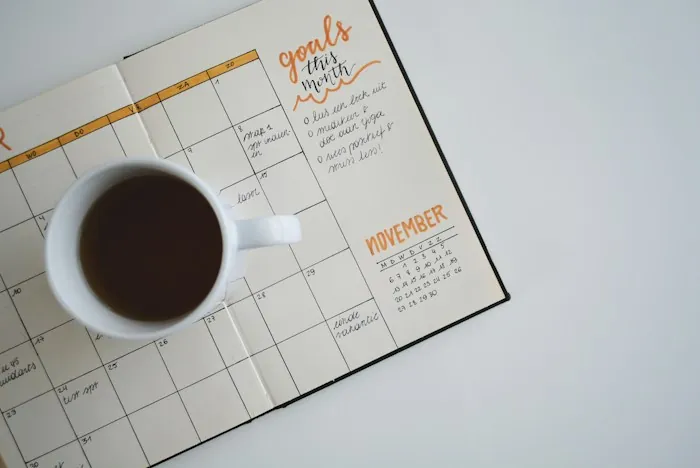
After three months, Chris has five habits and feels more energetic. Chris keeps a simple calendar to track them.
None of the changes was big. Together, they changed Chris's routine.
A ten-week plan
- Week 1: sleep routine.
- Week 2: daily walk.
- Week 3: balanced breakfast.
- Week 4: water with meals.
- Week 5: call a friend.
- Week 6: five slow breaths a day.
- Week 7: mindful minute.
- Week 8: screens off an hour before bed.
- Week 9: book a check-up.
- Week 10: handwashing routine.
Repeat or skip weeks as you like.
Common mistakes to avoid
- Starting ten habits at once. Start with one.
- Chasing perfection. Aim for most days.
- Relying on motivation. Use routines and reminders.
- Comparing yourself with others. Choose what suits you.
- Giving up after a slip. Restart.
Small, steady habits win.
Myths worth dropping
Myth 1: You need willpower
Environment and routine matter more. Make the habit easy.
Myth 2: Habits take exactly 21 days
It varies. Give it several weeks.
Myth 3: Skipping a day ruins it
One missed day rarely matters. Keep going.
Questions to ask yourself
A few honest questions help you tailor these ideas to your own life.
- Which habit would help me most?
- What is the smallest version?
- When could I do it?
- What could get in the way?
- Who could support me?
Adapting it to your situation
- If you are just starting out: begin with five to ten minutes, and build up slowly.
- If you have a health condition: ask your doctor what is safe, and which signs mean stop.
- If you live alone: tell someone your plan, and keep a phone within reach.
- If you care for someone else: use short bursts, and share activity with them if possible.
- If you have limited mobility: choose seated or supported versions of exercises.
The habit is the same for everyone. Only the setting and the pace change.
Track how it goes
A light record helps you see what works. It takes less than a minute.
- Tick a calendar on days you do the habit.
- Note your energy on a 1 to 5 scale.
- Write one line about what helped or got in the way.
- Review every two weeks and change one thing.
Keeping it going
- Pick a fixed time that suits your energy.
- Link it to something you already do.
- Use a calendar or diary to tick off each day.
- Do it with a friend or family member.
- Celebrate progress that is not about weight or speed.
- Restart the next day if you miss one.
Our article on how to build a habit that sticks has more ideas.
When to get support
These are everyday habits. Talk to your doctor if you have a health condition, persistent tiredness, symptoms that worry you or questions about your own needs.
A doctor, pharmacist, physiotherapist or dietitian can look at your situation and tailor advice.
This article is general education, not personal medical or dietary advice. Its reviewer, Meena Narayanan, holds a personal training credential, which is not a medical or dietetics credential. Talk to your doctor before you change your exercise or eating habits, especially if you have a health condition, take medicines, are pregnant or have not exercised for a long time.
Stack habits onto your day
Habits stick when they attach to something you already do. This is called habit stacking.
- After you wake, drink a glass of water.
- After you brush your teeth at night, write one good thing that happened.
- After you eat lunch, take a ten-minute walk.
- After you sit at your desk, take three slow breaths.
- After you get home, wash your hands.
Choose one anchor, and attach one small habit to it. Our article on how to design a daily routine shows how.
For busy people
- Pick the one-minute version of each habit.
- Use reminders on your phone.
- Combine habits, such as a walk with a friend.
- Prepare the night before.
- Lower the bar on hard days.
Two minutes a day, done every day, beats an hour done once.
How to choose your first habit
- Which habit would make the biggest difference to how I feel?
- Which is the easiest to do?
- Which can I attach to an existing routine?
- Which do I enjoy?
- Which could a friend do with me?
Choose the one with the best mix of impact and ease. Success with one habit builds confidence for the next.
One tiny step for each habit, starting today
- Sleep: choose a wake-up time and set an alarm.
- Movement: take a five-minute walk after your next meal.
- Meals: add one portion of vegetables to dinner.
- Fluids: put a glass of water by your bed.
- Connection: send a message to a friend.
- Stress: take three slow breaths before your next task.
- Mindfulness: notice five things you can see right now.
- Screens: put your phone across the room tonight.
- Check-ups: write down one health question.
- Hygiene: wash your hands for 20 seconds before you eat.
Each of these takes under five minutes. Pick one, do it today, and notice how it feels.
How the habits fit together
The habits support each other. Good sleep gives you energy to move. Movement helps you sleep and lifts your mood. Balanced meals steady your energy. Connection and mindfulness make stress easier to handle. Limiting screens protects your sleep, and routine check-ups keep you on track.
You do not have to be good at all ten. If one improves, others often follow.
When motivation dips
- Remember why you started, and write it down.
- Reduce the habit to its smallest version.
- Ask a friend to check in.
- Change one detail, such as the time or the place.
- Celebrate the days you did it, not the ones you missed.
- Take a short break, then restart without guilt.
Motivation rises and falls for everyone. Habits work because they do not depend on how you feel each day.
If you feel low for weeks, or everything feels too hard, talk to your doctor. NIMH says to seek help for severe or distressing symptoms lasting 2 weeks or more.
Habit 10: Good hygiene
The NHS says washing your hands is one of the easiest ways to protect yourself and others from illness. See good hygiene habits.
Recap: the main points
- Sleep, movement, balanced meals and fluids form the base.
- Connection, stress management and mindfulness support your mind.
- Limit screens, keep up with check-ups and wash your hands.
- Start with one habit and give it a few weeks.
- Build gradually, and keep what helps.
Healthy habits: frequently asked questions
Sleep, regular activity, balanced meals and staying connected with people are a strong base.
One or two. Add more when the first ones feel automatic.
It varies from person to person. Give a new habit a few weeks, and expect ups and downs.
Restart the next day. One missed day rarely undoes your progress.
The NHS suggests at least 150 minutes of moderate activity a week or 75 minutes of vigorous activity, plus strength work on at least 2 days.
See a doctor if you have a health condition, persistent tiredness, low mood lasting weeks or symptoms that worry you.
Want a step-by-step start? Explore the Start Here guides.
Sources and further reading
We checked the figures and guidance in this article against these sources. This article does not give personal medical advice.
- NHS: Physical activity guidelines for adults aged 19 to 64
- NHS Every Mind Matters: How to fall asleep faster and sleep better
- NHS: Five steps to mental wellbeing
- NIMH: Caring for your mental health
- NHS: Eight tips for healthy eating
- NHS: How to wash your hands
- NHS: NHS Health Check
Want more? Head back to the Healthy Living hub or read the Start Here guides.