Why hygiene matters
Many common illnesses spread through germs on hands, surfaces and food. Simple habits break the chain. Good hygiene protects you, your family and people around you, including those who are more vulnerable to infection.
It is also cheap and easy. Soap and water, clean surfaces and safe food storage need no special products.
See how to set up a healthier kitchenHow to wash your hands properly
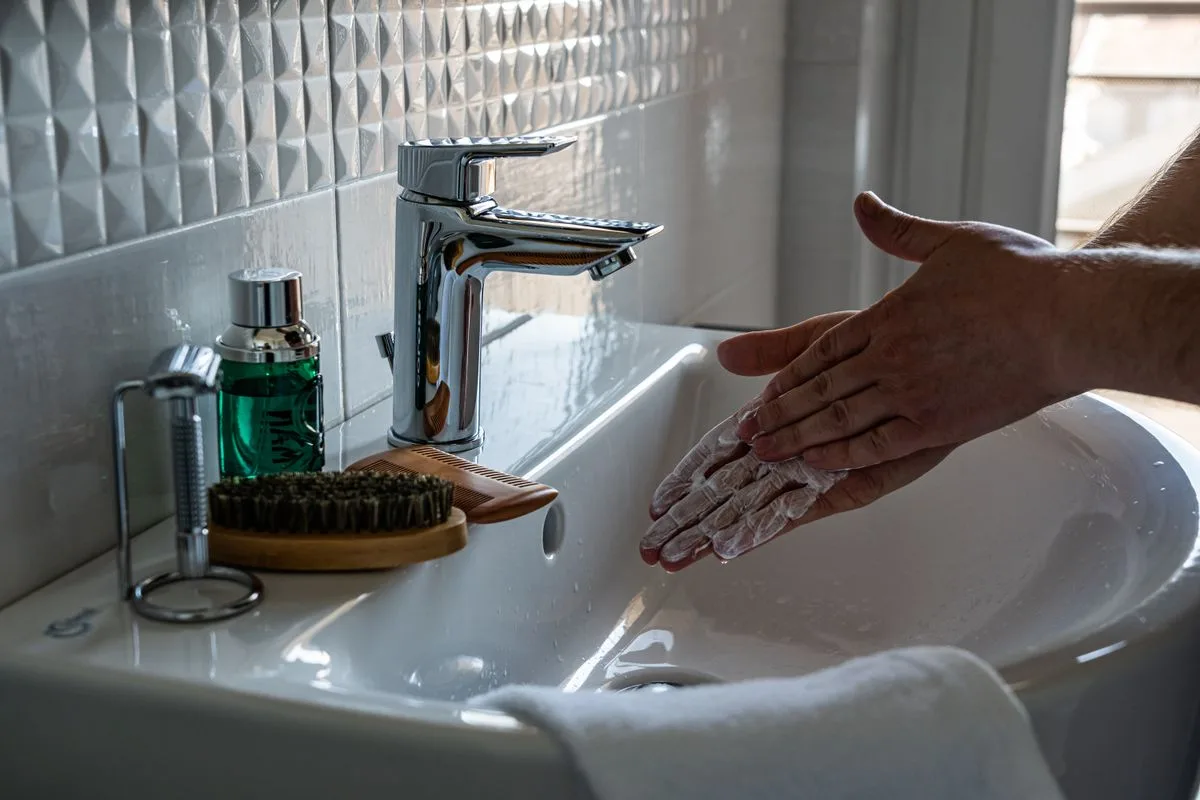
The NHS says washing your hands is one of the easiest ways to protect yourself and others from illnesses such as food poisoning and viruses such as flu and coronavirus. It advises washing for about 20 seconds.
- Wet your hands with water.
- Apply soap.
- Rub your hands together.
- Clean the backs of your hands and between your fingers.
- Rub your palms together with your fingers interlaced.
- Rub your thumbs and fingertips.
- Rinse thoroughly.
- Dry completely with a disposable towel, and use the towel to turn off the tap.
Lathering for 20 seconds may feel long, but it is the time it takes to sing Happy Birthday twice.
Want more everyday healthy habits?
The Start Here guides help you build simple habits one step at a time.
When to wash your hands
- After using the toilet.
- Before eating or preparing food.
- After handling raw meat, fish or eggs.
- After blowing your nose, coughing or sneezing.
- After touching animals or their waste.
- Before and after treating a wound.
- After touching bins or dirty items.
- When you come home.
If you cannot get to a sink, use alcohol-based hand gel as a backup, but soap and water is best when hands look dirty.
Food hygiene
The NHS advises storing raw meat in sealed containers on the bottom shelf of the fridge, so juices cannot drip onto other food. It advises cooking poultry, pork, burgers and sausages thoroughly until juices run clear.
- Wash your hands before and after handling raw meat.
- Use separate boards and knives for raw meat and ready-to-eat foods.
- Wash boards and utensils in hot, soapy water after use.
- Cool cooked food quickly, and put it in the fridge.
- Reheat leftovers until they are steaming hot.
- Check use-by dates, and follow storage instructions.
See our guide on home cooking habits for more.
Everyday hygiene at home
- Wash bath towels and bedding regularly.
- Wipe kitchen surfaces after preparing food.
- Change dishcloths often, or use disposable wipes.
- Empty bins regularly.
- Keep toothbrushes and personal items separate.
- Ventilate rooms by opening windows.
Aim for regular, reasonable cleaning. You do not need to sterilize your home.
A worked example: a family routine
The Garcia family sticks a small handwashing reminder by the kitchen sink. Everyone sings a short song while they wash. They wash hands when they come home, before meals and after the toilet.
In the kitchen, they keep raw meat on the bottom shelf and use a separate board for raw chicken. Leftovers go in the fridge within an hour or two.
The changes take minutes and become automatic within a couple of weeks.
A simple two-week plan
- Days 1 to 3: wash hands for 20 seconds before meals.
- Days 4 to 7: add washing after coming home.
- Days 8 to 10: check how raw meat is stored in the fridge.
- Days 11 to 14: use separate boards for raw and cooked food.
Adjust the plan to your fitness and health, and repeat a week if it feels like too much.
Common mistakes to avoid
- Rinsing without soap. Soap lifts germs off.
- Washing too briefly. Aim for about 20 seconds.
- Reusing a wet towel. Use a clean or disposable towel.
- Storing raw meat above other food. Store it on the bottom shelf.
- Undercooking poultry. Cook until the juices run clear.
Small, consistent habits protect you most.
Myths worth dropping
Myth 1: More cleaning is always better
Reasonable, regular cleaning is enough. Focus on handwashing and food safety.
Myth 2: Cold water does not work
Soap and thorough rubbing matter most.
Myth 3: You can tell if food is safe by smell
Some bacteria do not change the look or smell. Follow storage and cooking guidance.
Questions to ask yourself
A few honest questions help you tailor these ideas to your own life.
- When do I usually forget to wash my hands?
- What reminder could help?
- How is raw meat stored in my fridge?
- Do I use separate boards?
- Who else in my home could help?
Adapting it to your situation
- If you are just starting out: begin with five to ten minutes, and build up slowly.
- If you have a health condition: ask your doctor what is safe, and which signs mean stop.
- If you live alone: tell someone your plan, and keep a phone within reach.
- If you care for someone else: use short bursts, and share activity with them if possible.
- If you have limited mobility: choose seated or supported versions of exercises.
The habit is the same for everyone. Only the setting and the pace change.
Track how it goes
A light record helps you see what works. It takes less than a minute.
- Tick a calendar on days you do the habit.
- Note your energy on a 1 to 5 scale.
- Write one line about what helped or got in the way.
- Review every two weeks and change one thing.
Keeping it going
- Pick a fixed time that suits your energy.
- Link it to something you already do.
- Use a calendar or diary to tick off each day.
- Do it with a friend or family member.
- Celebrate progress that is not about weight or speed.
- Restart the next day if you miss one.
Our article on how to build a habit that sticks has more ideas.
When to get support
These are everyday habits. Talk to your doctor if you have a health condition, persistent tiredness, symptoms that worry you or questions about your own needs.
A doctor, pharmacist, physiotherapist or dietitian can look at your situation and tailor advice.
This article is general education, not personal medical or dietary advice. Its reviewer, Meena Narayanan, holds a personal training credential, which is not a medical or dietetics credential. Talk to your doctor before you change your exercise or eating habits, especially if you have a health condition, take medicines, are pregnant or have not exercised for a long time.
Children, pets and shared spaces
- Teach children to wash their hands before meals, after the toilet and after playing outside.
- Make it fun with a song or a timer.
- Wash your hands after touching animals or their waste, as the NHS advises.
- Keep pet food and bowls away from food preparation areas.
- Clean shared surfaces, such as door handles and phones, from time to time.
Children copy what they see. Habits you model become their habits.
At work, in public and when travelling
- Wash your hands before eating at work, and after using shared equipment.
- Carry hand gel for when there is no sink.
- Avoid touching your face when out and about.
- Do not share cups, towels or utensils when you are ill.
- Take extra care with food from street stalls and buffets, and choose food that is cooked hot and served fresh.
You do not need to be anxious. A few simple habits go a long way.
A simple hygiene checklist
- Hands washed for about 20 seconds before meals and after the toilet.
- Raw meat sealed on the bottom fridge shelf.
- Separate boards for raw and ready-to-eat food.
- Poultry cooked until the juices run clear.
- Leftovers cooled quickly and reheated until steaming hot.
- Towels, bedding and cloths washed regularly.
If you can tick most of these, you are protecting yourself well. Choose one to improve this week.
Helping others build the habit
- Put a reminder near the sink.
- Make soap and a clean towel easy to reach.
- Wash your hands together as a family.
- Praise effort, not perfection.
- Explain why: it protects them and people around them.
Habits spread through households. One person's routine often becomes everyone's.
When you are ill
- Stay home if you can, especially with a fever, vomiting or diarrhea.
- Cover coughs and sneezes with a tissue, and bin it.
- Wash your hands often.
- Avoid preparing food for others while you have stomach symptoms.
- Drink plenty of fluids, and rest.
Talk to your doctor if symptoms are severe, last longer than expected or you are in a higher-risk group, such as a pregnant person, a young child, an older adult or someone with a long-term condition.
Recap: the main points
- Wash your hands properly with soap and water for about 20 seconds.
- Wash after the toilet, before eating, after raw food, and after blowing your nose or touching animals.
- Store raw meat sealed on the bottom shelf, and cook meat until the juices run clear.
- Keep surfaces and cloths clean, and cool and reheat food safely.
- Stay home when unwell, and talk to your doctor if symptoms are severe.
Good hygiene: frequently asked questions
The NHS advises about 20 seconds, roughly the time it takes to sing Happy Birthday twice.
After using the toilet, before eating or preparing food, after handling raw foods, after blowing your nose, after touching animals, and before and after treating a wound.
Soap and water is best, especially when hands are visibly dirty. Alcohol gel is a backup when you cannot wash.
The NHS advises sealed containers on the bottom shelf of the fridge.
The NHS says to cook poultry, pork, burgers and sausages thoroughly until the juices run clear.
See your doctor for severe symptoms, a high fever, symptoms that do not settle, or if you are pregnant, elderly or have a long-term condition.
Want a step-by-step start? Explore the Start Here guides.
Sources and further reading
We checked the figures and guidance in this article against these sources. This article does not give personal medical advice.
Want more? Head back to the Healthy Living hub or read the Start Here guides.