Introduction
You have probably heard that “diet is 80% of weight loss.” That is not far from the truth.
But here is the part most people miss: it is not just about eating less. It is about eating smarter. The right foods keep you full on fewer calories, protect your muscles, and make fat loss feel natural rather than punishing. The wrong foods — even some that are marketed as healthy — quietly work against you.
This guide breaks down the best foods for fat loss, the ones that are sabotaging your results, and the simple principle that ties everything together. No meal plans to follow. No foods you can never eat again. Just clear, science-backed guidance you can apply starting today.
Quick Answer
What are the best foods for fat loss?
The best foods for fat loss are high in protein and fibre, low in energy density, and minimally processed. These include lean proteins like chicken, eggs, and fish; fibre-rich vegetables and legumes; whole grains; and healthy fats like olive oil and avocado. Research consistently shows that people who build their diet around these foods naturally eat fewer calories, feel fuller for longer, and lose more fat — without rigid restriction.
Table of Contents
Key Takeaways
- The best fat loss foods are high in protein and fibre — both increase fullness and reduce overall calorie intake
- Energy density matters: low-calorie, high-volume foods let you eat more while consuming less
- A landmark 2025 Nature Medicine trial found that people eating minimally processed whole foods lost twice as much weight as those eating nutritionally matched ultraprocessed foods
- Research by Dr. Barbara Rolls at Penn State showed that people eating low-energy-density foods consumed 400 fewer calories per day while feeling equally full
- Foods to reduce: added sugar, refined carbs, liquid calories, and ultraprocessed packaged foods
- You do not need to eliminate any food group — just shift the balance toward whole, minimally processed options
The Science: Why Food Choice Matters Beyond Calories
All weight loss ultimately comes down to a caloric deficit — burning more calories than you eat. But not all calories behave the same way inside your body.
Two concepts explain why food choice matters as much as calorie count:
Satiety: Some foods keep you full for hours. Others leave you hungry 45 minutes later. Protein and fibre are the two nutrients with the strongest satiety effects — they suppress hunger hormones, slow digestion, and signal fullness to your brain more effectively than carbohydrates or fat alone.
Energy Density: This is the number of calories per gram of food. Low-energy-density foods — like vegetables, fruits, and broth-based soups — give you large portions for very few calories. High-energy-density foods — like biscuits, fried food, and processed snacks — pack a lot of calories into a small volume.
Research by Dr. Barbara Rolls at Penn State demonstrated that people eating low-energy-density foods consumed around 400 fewer calories per day while feeling equally satisfied — without being told to restrict anything.
When you combine high-satiety foods with low energy density, you create the ideal conditions for fat loss: you eat enough to feel satisfied, but naturally consume fewer calories than your body burns.
This is why two people eating the same number of calories can have very different results — depending entirely on what those calories are made of.
Best Protein Foods for Fat Loss
Protein is the most important macronutrient for fat loss. It keeps you fuller longer, requires more energy to digest, and preserves the muscle that keeps your metabolism elevated while you are in a caloric deficit.
A 2024 University of Alberta study found that people eating high-protein diets (40% of calories from protein) burned significantly more calories over 32 hours compared to those on standard diets, simply through the thermic effect of digesting protein.
Best protein foods for fat loss:
| Food | Protein per 100g | Calories per 100g | Fat Loss Benefit |
| Chicken breast (skinless) | 31g | 165 kcal | High protein, low fat |
| Canned tuna in water | 25g | 116 kcal | Very lean, highly filling |
| Eggs (2 large) | 13g | 155 kcal | Complete protein, highly satiating |
| Greek yogurt (plain, 0%) | 10g | 59 kcal | High protein, low calorie |
| Cottage cheese | 11g | 98 kcal | Slow-digesting casein protein |
| Salmon | 20g | 208 kcal | Protein + anti-inflammatory omega-3s |
| Lentils (cooked) | 9g | 116 kcal | Protein + fibre — powerful combination |
| Chickpeas (cooked) | 9g | 164 kcal | Plant protein + filling fibre |
| Tofu (firm) | 8g | 76 kcal | Great plant-based option |
| Edamame | 11g | 121 kcal | Complete plant protein |
Practical tip: Build every meal around one protein source first, then fill the rest of the plate with vegetables and a small portion of whole grains. This simple habit — protein first — naturally reduces the total calories of every meal without any counting.
For a deeper look at incorporating protein into your daily plan, read Weight Loss Meal Planning on Healthy Stride Wellness.
Best Vegetables for Fat Loss
Vegetables are the foundation of any fat-loss diet. They are almost universally low in calories, high in fibre, rich in water, and packed with vitamins and minerals. Most people can eat vegetables in unlimited quantities without meaningfully impacting their caloric intake.
The best fat loss vegetables are those with the lowest energy density and highest fibre content:
Top vegetables for fat loss:
- Leafy greens (spinach, kale, rocket, romaine) — under 25 kcal per 100g, extremely high in micronutrients
- Broccoli — 34 kcal per 100g, 2.6g fibre, high in vitamin C and folate
- Courgette / Zucchini — 17 kcal per 100g, very high water content
- Cucumber — 15 kcal per 100g, 96% water — excellent volume food
- Cauliflower — 25 kcal per 100g, versatile substitute for rice or mash
- Bell peppers — 31 kcal per 100g, high in vitamin C, and natural sweetness
- Mushrooms — 22 kcal per 100g, meaty texture with almost no calories
- Asparagus — 20 kcal per 100g, natural diuretic, high in folate
- Celery — 16 kcal per 100g, nearly 95% water
The plate rule: Aim for half your plate to be non-starchy vegetables at every main meal. This single habit automatically lowers the energy density of your diet without requiring any calculation.
Best Fruits for Fat Loss
Fruit is sometimes unfairly blamed for weight gain due to its natural sugar content. The reality is that whole fruit is one of the most valuable fat loss foods available — it combines natural sweetness with water, fibre, and nutrients that slow down sugar absorption and keep you full.
The key distinction is whole fruit vs fruit juice. Whole fruit contains fibre that slows digestion. Fruit juice removes that fibre entirely, leaving concentrated sugar that hits your bloodstream fast and does very little to reduce hunger.
Best fruits for fat loss:
| Fruit | Calories per 100g | Fibre | Fat Loss Benefit |
| Raspberries | 52 kcal | 6.5g | Highest fibre of any common fruit |
| Blackberries | 43 kcal | 5.3g | Very low calorie, high fibre |
| Strawberries | 32 kcal | 2.0g | Lowest-calorie common fruit |
| Blueberries | 57 kcal | 2.4g | Antioxidants, low glycemic index |
| Apple (with skin) | 52 kcal | 2.4g | Pectin fibre is particularly filling |
| Grapefruit | 42 kcal | 1.6g | High water content, low calorie |
| Watermelon | 30 kcal | 0.4g | Very low-calorie, high-water |
| Pear | 57 kcal | 3.1g | High fibre, satisfying sweetness |
Fruits to eat in moderation (still healthy, but higher in calories): bananas, mangoes, grapes, and dried fruit. These are not off-limits — just be mindful of portion size.
Best Whole Grains and Legumes for Fat Loss
Carbohydrates are not the enemy of fat loss — refined carbohydrates are. Whole grains and legumes provide slow-digesting carbohydrates, high fibre, and significant protein (especially legumes), all of which support sustained energy and reduced hunger.
Best whole grains:
- Oats — 4g fibre per half cup (dry). Beta-glucan fibre in oats has been shown to significantly reduce appetite and lower cholesterol. A highly satiating breakfast option.
- Brown rice — 2.9g fibre per cup (vs 1.3g for white rice). Takes longer to digest, keeps blood sugar more stable.
- Quinoa — A complete protein grain. 8g protein and 5g fibre per cup cooked. One of the most filling grain options.
- Barley — Among the highest-fibre grains. Beta-glucan content reduces appetite significantly.
- Whole wheat bread/pasta — Choose these over white versions for more fibre and a lower glycemic response.
Best legumes:
- Lentils — 9g protein and 8g fibre per 100g cooked. One of the most nutritionally dense fat loss foods available.
- Black beans — 8.7g protein and 8.7g fibre per 100g cooked.
- Chickpeas — Versatile, filling, and rich in both protein and fibre.
- Kidney beans — High in resistant starch, which feeds gut bacteria and helps regulate blood sugar.
Research on beta-glucan fibres published in Nutrients (2024) found that highly soluble beta-glucan fibre promotes GLP-1 secretion — a hormone that directly reduces appetite — making oats and barley particularly powerful for natural hunger management.
For guidance on building a balanced nutrition plan, read How to Create a Personalized Nutrition Plan and The Ultimate Guide to Understanding Macronutrients on Healthy Stride Wellness.
Healthy Fats That Support Fat Loss
Dietary fat does not automatically become body fat. Healthy fats from whole food sources are essential for hormone production, brain function, and the absorption of fat-soluble vitamins (A, D, E, K). They also contribute to satiety and help you feel satisfied after meals.
The key is choosing the right types and controlling portion size — fat is calorie-dense at 9 kcal per gram, roughly twice that of protein or carbohydrates.
Best healthy fats for fat loss:
- Extra virgin olive oil — Rich in monounsaturated fats and polyphenols. Linked to reduced inflammation and improved metabolic health. Use for cooking and dressings.
- Avocado — High in monounsaturated fat and fibre. Despite being calorie-dense (~230 kcal per avocado), its combination of fat and fibre makes it highly satiating.
- Walnuts, almonds, and cashews — High in healthy fats and protein. Studies show regular nut consumption is associated with lower body weight over time despite their calorie density. Stick to a small handful (30g) per serving.
- Salmon and mackerel — Omega-3 fatty acids support fat metabolism, reduce inflammation, and are linked to better appetite regulation.
- Chia seeds and flaxseeds — Excellent plant sources of omega-3s, plus very high in fibre. 2 tablespoons of chia seeds add 10g of fibre.
For more on incorporating healthy fats effectively, read The Top 5 Healthy Fats to Add to Your Diet on Healthy Stride Wellness.
What to Drink for Fat Loss
Drinks are one of the biggest hidden sources of excess calories — and one of the easiest places to make quick, meaningful improvements.
Drink more of:
- Water — Zero calories. Helps reduce false hunger signals. Drinking 500ml before meals has been shown in clinical trials to reduce food intake at that meal.
- Black coffee — Negligible calories. Caffeine has a mild thermogenic effect and suppresses appetite in the short term. Keep to 1–2 cups before midday.
- Green tea — Contains EGCG, a compound shown to modestly support fat metabolism. Best when unsweetened.
- Herbal teas — Zero calories. Excellent for evenings to reduce the urge to snack.
- Sparkling water — A satisfying alternative to soft drinks for people who miss the fizz.
Reduce or eliminate:
- Sugary soft drinks (210+ kcal per 500ml)
- Fruit juices (115+ kcal per 250ml with no fibre)
- Energy drinks (110+ kcal per 250ml)
- Alcohol — very high in empty calories and directly impairs fat metabolism
- Flavored coffees and lattes with syrups (some exceed 400 kcal per serving)
Read The Benefits of Drinking Enough Water for Your Health for a complete guide to hydration and weight management.
Foods to Avoid (or Seriously Reduce) for Fat Loss
These are not banned foods. But they are the ones most likely to stall your progress — often in ways you do not even notice.
Refined carbohydrates: White bread, white pasta, white rice, pastries, and most breakfast cereals are digested quickly, causing blood sugar spikes and crashes that drive hunger within 1–2 hours of eating. Swap for whole-grain alternatives whenever possible.
Added sugar: The average person consumes far more added sugar than they realize — not just from obvious sources like sweets and chocolate, but from flavored yogurts, sauces, condiments, protein bars, cereals, and pre-made meals. Check labels. Anything listing sugar, glucose syrup, fructose, maltose, or dextrose in the first three ingredients is high in added sugar.
Fried foods: Deep-fried foods are extremely high in energy density. A medium serving of chips (fries) can contain 400–500 kcal, the same as a full balanced meal. The oil they absorb during frying dramatically increases their calorie content compared to the uncooked version.
Alcohol: Alcohol contains 7 kcal per gram — almost as much as fat. It adds calories directly, impairs the liver’s ability to burn fat, lowers your inhibitions around food choices, and disrupts your sleep quality. Even two standard drinks per evening adds 200–300 kcal and meaningfully slows fat loss.
“Diet” or “low-fat” processed products: Products marketed as diet, low-fat, or guilt-free often compensate for reduced fat by adding more sugar or artificial sweeteners — neither of which supports fat loss. A “low-fat” flavored yogurt can contain more sugar than a standard yogurt. Read the full nutrition label, not just the marketing claim.
Ultra-processed snack foods: Crisps, biscuits, packaged cakes, and most snack bars are engineered to override your fullness signals. Their combination of refined carbohydrates, fat, salt, and flavour enhancers makes them very easy to overconsume. See Section 9 for the research.
The Ultraprocessed Food Problem
This is the most important nutrition research published in 2025 — and it directly affects how you should think about food choices for fat loss.
A landmark randomized crossover trial published in Nature Medicine (August 2025) by researchers at University College London provided 55 adults with two different diets for eight weeks each. Both diets were nutritionally matched — same calories available, same levels of fat, protein, carbohydrates, salt, and fibre according to UK dietary guidelines.
The difference was in the processing level. One diet was built around minimally processed whole foods, fresh vegetables, whole grains, and unprocessed meats. The other was built around ultraprocessed foods often considered healthy, including whole-grain breakfast cereals, flavored yogurts, and protein bars.
Participants on the minimally processed diet ate around 290 fewer calories per day and lost roughly twice as much weight as those on the ultraprocessed diet, who ate only 120 fewer calories per day.
Neither group was told to restrict their intake. They simply ate as much or as little as they wanted.
Researchers concluded that choosing less processed options such as whole foods and cooking from scratch is likely to offer additional benefits for body weight, body composition, and overall health compared to ultraprocessed alternatives — even when those alternatives are marketed as healthy.
The implication is powerful: the degree of food processing affects how much you eat, independent of the food’s stated nutritional content. Whole foods are naturally more satiating per calorie than ultraprocessed ones — even when the macros look similar on paper.
This is why choosing whole, minimally processed foods is the single most impactful dietary shift you can make for fat loss.
How to Build a Fat Loss Plate
You do not need a rigid meal plan. You need a simple framework you can apply to any meal, anywhere.
The Fat Loss Plate Method:
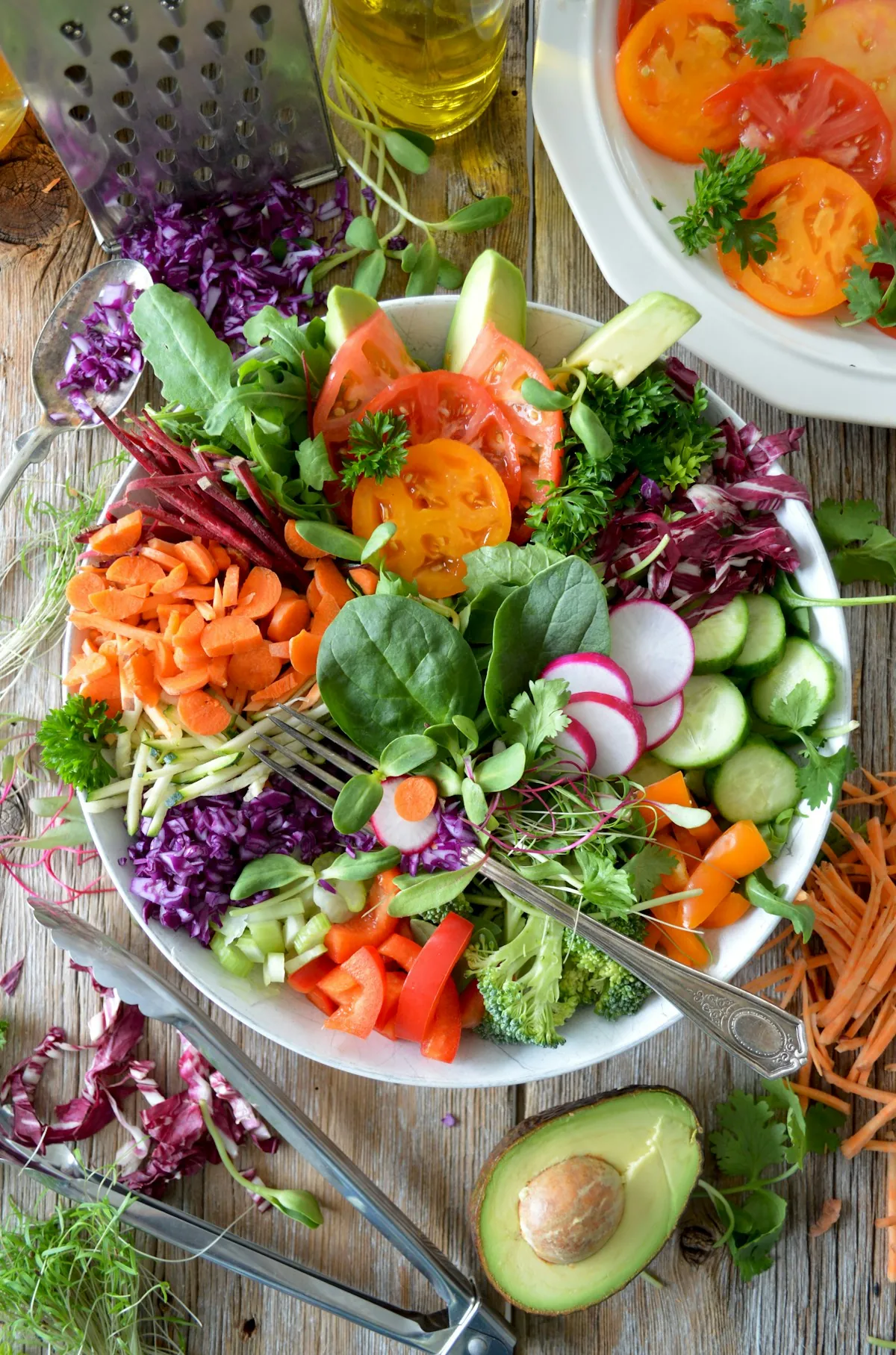
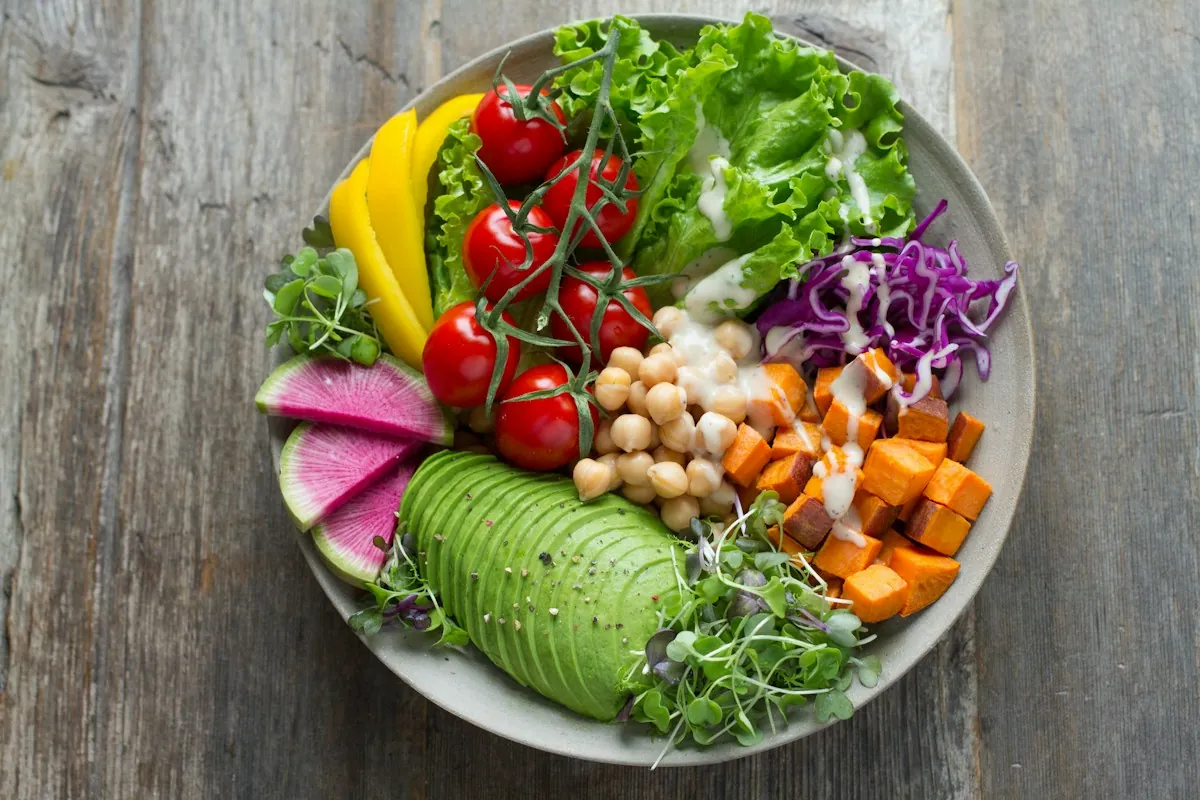
- ½ of your plate: Non-starchy vegetables (leafy greens, broccoli, courgette, peppers, cucumber, mushrooms)
- ÂĽ of your plate: Quality protein (chicken, fish, eggs, Greek yogurt, lentils, tofu)
- ÂĽ of your plate: Whole grain or legume (brown rice, oats, quinoa, lentils, sweet potato)
- A small addition: Healthy fat (olive oil drizzle, half an avocado, a handful of nuts)
This plate provides high volume, high satiety, moderate calories, and strong nutritional balance, without weighing, tracking, or calculating anything.
Example meals using this framework:
Breakfast: 2 scrambled eggs + large handful of spinach + 1 slice wholegrain toast + half an avocado
Lunch: Large salad with rocket, cucumber, peppers, cherry tomatoes + tin of tuna + 2 tablespoons olive oil dressing + small portion of quinoa
Dinner: Grilled salmon fillet + steamed broccoli and courgette + ½ cup brown rice
Snack: Plain Greek yogurt + handful of raspberries + 1 tablespoon chia seeds
For ideas on structuring your meals over a full week, read A 7-Day Healthy Meal Plan for Busy Professionals on Healthy Stride Wellness.
Expert Insight
The research is consistent: food quality drives food quantity — not the other way around.
The 2025 Nature Medicine trial demonstrated this compellingly. Even when ultraprocessed and minimally processed diets were matched on all standard nutritional metrics, participants naturally ate 290 fewer calories per day when eating whole foods. A free-living trial in people with overweight or obesity found that minimally processed diets led to greater weight loss and cardiometabolic improvements than ultraprocessed diets, even when both followed established healthy eating guidelines over eight weeks.
This tells you something important about how to approach your food choices: rather than obsessively tracking macros, focus on upgrading the quality and processing level of what is already on your plate. The calorie reduction tends to follow naturally.
For authoritative guidance on building a healthy dietary pattern, the Harvard T.H. Chan School of Public Health’s Healthy Eating Plate is one of the most evidence-based visual frameworks for understanding optimal food choices for long-term health and weight management.
Conclusion
Fat loss does not require a perfect diet. It requires a consistent direction.
Build your meals around the foods that work with your body: lean proteins that protect your muscles, high-fibre vegetables that fill you up on few calories, whole grains and legumes that stabilize your energy, and healthy fats that keep you satisfied. Reduce — without eliminating — the foods that quietly undermine your efforts: added sugar, refined carbs, ultraprocessed snacks, and liquid calories.
The 2025 research is detailed. People who eat whole, minimally processed foods lose more weight, feel fuller, and maintain their results longer, not because they are following stricter rules, but because their food choices naturally support a lower calorie intake.
At Healthy Stride Wellness, we believe that eating for fat loss should feel nourishing, not punishing. The right foods make the process easier, not harder. Start with one swap this week. Replace one ultraprocessed meal with a whole-food alternative. Build from there.
Explore the full Weight Loss Strategies category on Healthy Stride Wellness for more practical guides on eating, moving, and living better.
Continue Your Weight Loss Journey on Healthy Stride Wellness
Core cluster reads:
- The Complete Guide to Weight Loss (Science-Based)
- How to Lose Weight Naturally Without DietingÂ
- The Top 10 Healthy Foods
- The Best and Healthiest Foods for a Gut-Healthy Diet
- 5 Healthy Snack Options to Curb Your Cravings
- The Top 5 Healthy Fats to Add to Your Diet
- Why Intermittent Fasting Is Beneficial for Losing Weight
- The Positive Health Effects of a Plant-Based Diet
- A 7-Day Healthy Meal Plan for Busy Professionals
Frequently Asked Questions
What is the single best food for fat loss?
There is no single best food, but lean protein sources — like chicken breast, eggs, Greek yogurt, and lentils — have the strongest overall impact. They reduce hunger, protect muscle during fat loss, and have a high thermic effect. If you had to pick one food category to prioritize, protein wins every time.
Are carbohydrates bad for fat loss?
No. Refined carbohydrates — white bread, white rice, pastries, sugary cereals — spike blood sugar and increase hunger. But whole grain carbohydrates and legumes, which are high in fibre, are among the most filling and nutritious foods you can eat for fat loss. The type of carbohydrate matters far more than whether you eat carbohydrates at all.
Can I eat fruit if I am trying to lose fat?
Yes. Whole fruit is an excellent fat-loss food. Despite containing natural sugar, it also contains fibre and water that slow digestion and promote fullness. The key is eating whole fruit rather than drinking fruit juice, which removes the fibre and concentrates the sugar.
What makes ultraprocessed food worse for fat loss?
A 2025 Nature Medicine trial showed that people eating ultraprocessed foods — even nutritionally matched versions of healthy diets — naturally ate more calories per day and lost significantly less weight than those eating minimally processed whole foods. Ultraprocessed foods appear to override normal hunger and fullness signals, making it harder to stop eating at the right time.
Is it possible to eat too much healthy food and not lose fat?
Yes. Even the healthiest foods contain calories. Nuts, avocado, olive oil, and whole grains are nutritious, but portion size still matters. A caloric deficit is always required for fat loss — the advantage of fat loss foods is that they make achieving that deficit much easier and more comfortable.
What should I eat for breakfast to lose fat?
A high-protein, moderate-fibre breakfast is most effective. Examples: 2–3 eggs with vegetables; plain Greek yogurt with berries and chia seeds; or oats with a scoop of protein powder and mixed berries. These options keep you full until lunch and reduce cravings throughout the morning.
Do I need to avoid fat completely to lose body fat?
No. Dietary fat does not directly become body fat. Healthy fats from olive oil, avocado, nuts, and fatty fish support hormone function, satiety, and fat-soluble vitamin absorption. The focus should be on reducing saturated and trans fats from fried and ultraprocessed foods — not eliminating healthy fats entirely.
Please Note: Healthy Stride Wellness provides educational content and is not a replacement for medical advice. Consult a healthcare provider for any health issues.