A quick note: there are no superfoods
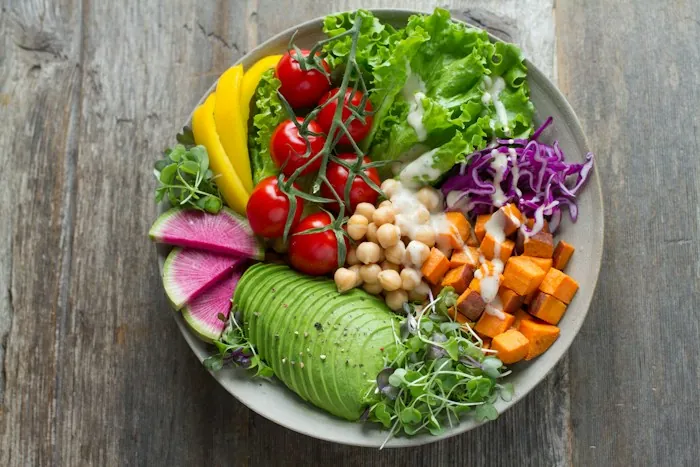
Headlines love "superfoods". In reality, health comes from your overall pattern of eating, not one special item. The foods below earn their place because they are nutritious, affordable and easy to find.
Use this list as a shopping guide, not a rulebook. If you do not like one, choose another from the same group.
See how to combine them on a balanced plateFoods 1 to 3: Leafy greens, other vegetables and fruit
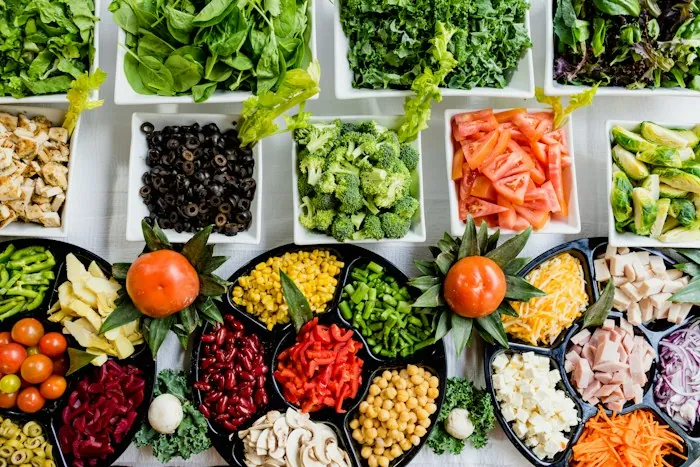
The NHS suggests at least 5 portions of a variety of fruit and vegetables a day, where a portion is 80 g of fresh, canned or frozen, or 30 g of dried fruit. The NIDDK suggests a mix of colorful vegetables.
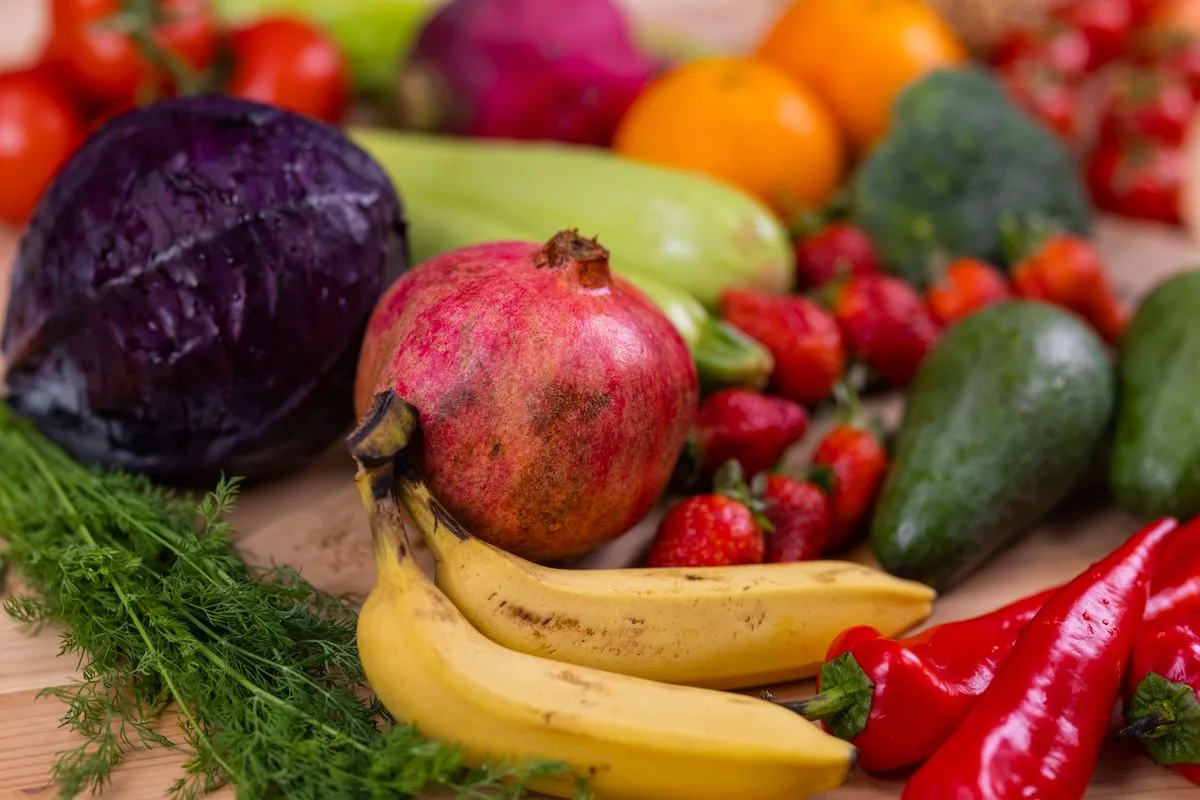
- Leafy greens such as spinach and kale add fiber, vitamins and some calcium and magnesium.
- Other vegetables, such as broccoli, carrots, tomatoes and peppers, add color and nutrients.
- Fruit, such as berries, apples and oranges, adds fiber and natural sweetness.
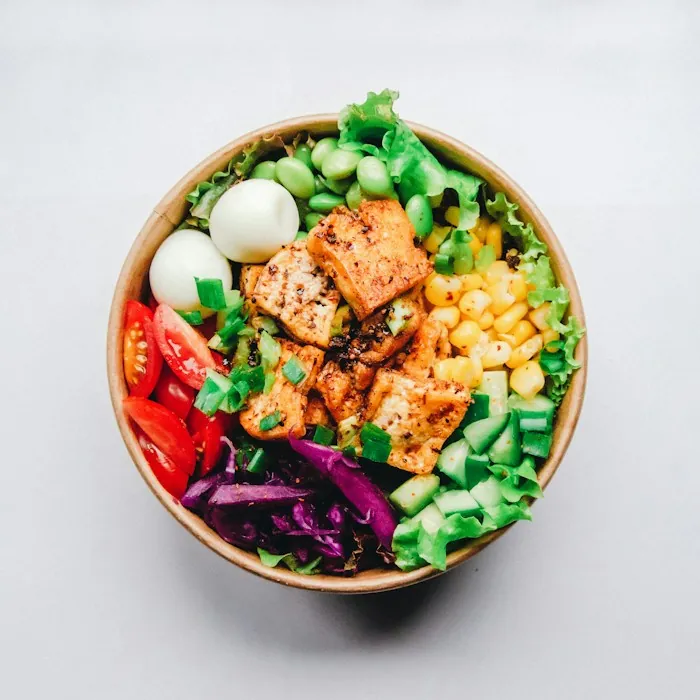
Frozen and canned count. Fill half your plate with vegetables and fruit.
Foods 4 and 5: Beans and lentils, and whole grains
Beans, lentils and whole grains are affordable sources of fiber and protein. The NHS says adults should aim for 30 g of fiber a day, and that high-fiber foods include wholemeal bread, oats, brown rice, pulses, vegetables and fruit. The NIDDK suggests choosing whole grains more often.
- Add canned beans to soups and salads.
- Swap white rice for brown rice.
- Choose oats for breakfast.
- Use wholemeal bread and pasta.
See our article on fiber-rich foods.
Want a plan for balanced meals?
The Healthy Eating Guide shows how to combine these foods across a week.
Food 6: Oily fish
The NHS suggests at least 2 portions of fish a week, with 1 portion being oily fish, such as salmon, sardines or mackerel. Oily fish is a source of omega-3 fats, which your body cannot make.
- Bake or grill salmon with vegetables.
- Put canned sardines on wholegrain toast.
- Choose fresh, frozen or canned.
Food 7: Nuts and seeds
The NIDDK lists nuts among nutrient-rich foods, and the NHS lists nuts as sources of unsaturated fat and magnesium. They are high in calories, so a small handful is enough.
- Sprinkle seeds on yogurt and salads.
- Choose unsalted nuts for snacks.
- Add nuts to stir-fries.
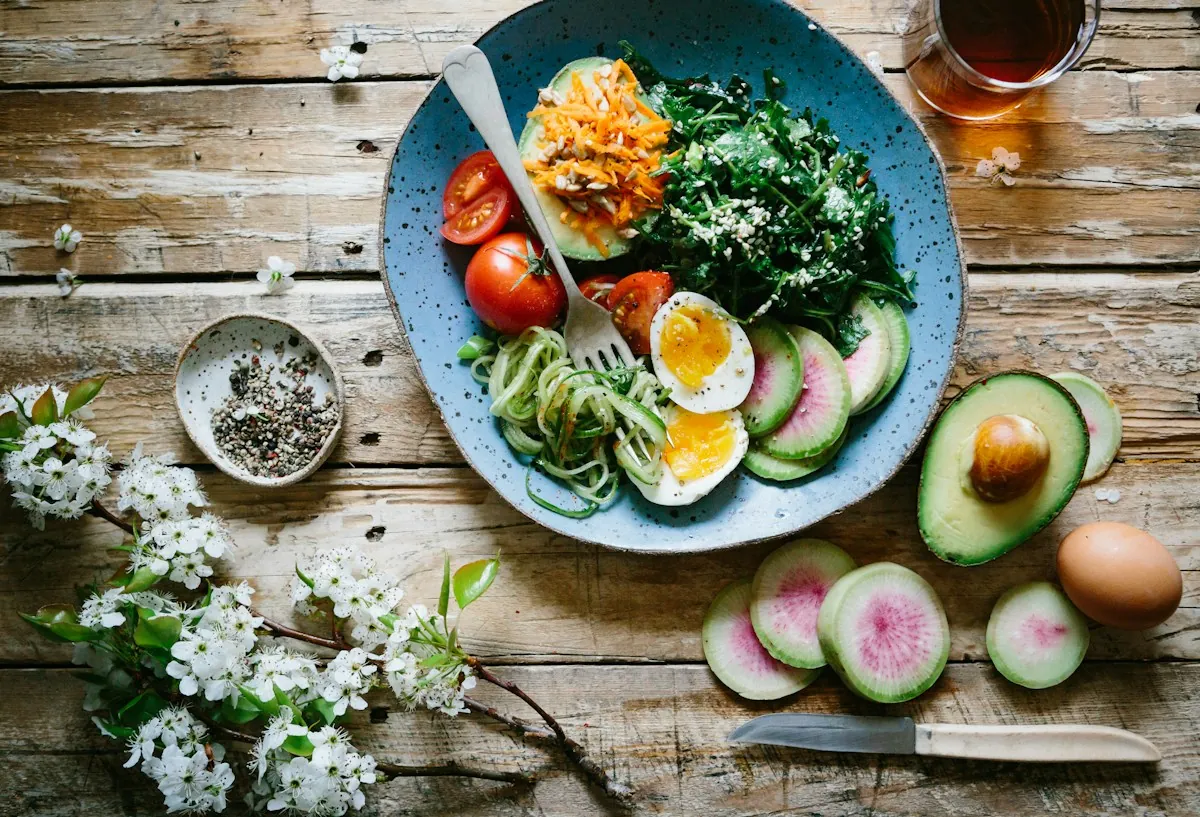
Food 8: Yogurt or fortified dairy alternatives
The NIDDK suggests low-fat dairy, and the NHS lists dairy products and fortified soya drinks as calcium sources. Choose plain versions and add your own fruit.
- Have plain yogurt with berries.
- Choose fortified plant drinks if you avoid dairy.
- Read labels for added sugar.
Foods 9 and 10: Eggs and olive oil
The NHS lists eggs among protein foods for vegetarians. The NHS lists olive oil as a source of monounsaturated fat and advises swapping saturated fats for unsaturated fats.
- Have eggs with vegetables for breakfast.
- Use a spoonful of olive oil for roasting vegetables.
- Measure oil with a spoon, since it is energy-dense.
A worked example: a healthier basket
Priya usually buys ready meals and snacks. This week, she adds frozen vegetables, canned beans, oats, canned sardines, plain yogurt and unsalted nuts.
She cooks three simple meals from the basket. She spends about the same, and she has more fiber and less salt in her week.
She keeps adding one or two items each shop.
A simple four-week plan
- Week 1: add a vegetable to every dinner.
- Week 2: swap one refined grain for a wholegrain.
- Week 3: eat fish twice.
- Week 4: try one new bean or lentil recipe.
Adjust the plan to your fitness and health, and repeat a week if it feels like too much.
Common mistakes to avoid
- Believing in one superfood. Variety matters.
- Eating too many nuts or too much oil. They are energy-dense.
- Choosing sweetened yogurt. Read labels.
- Ignoring frozen foods. They are affordable and nutritious.
- Changing everything at once. Build slowly.
Choose foods you enjoy and can afford.
Myths worth dropping
Myth 1: Healthy food is expensive
Beans, oats, eggs and frozen vegetables are cheap.
Myth 2: Fresh is always better
The NHS says frozen and canned fruit and vegetables count too.
Myth 3: You need to avoid all fat
Unsaturated fats from fish, nuts and olive oil are part of a healthy diet.
Questions to ask yourself
A few honest questions help you tailor these ideas to your own life.
- Which of these foods do I eat weekly?
- Which could I add?
- What is my budget?
- Who cooks in my home?
- What would make it easier?
Adapting it to your situation
- If you are just starting out: begin with five to ten minutes, and build up slowly.
- If you have a health condition: ask your doctor what is safe, and which signs mean stop.
- If you live alone: tell someone your plan, and keep a phone within reach.
- If you care for someone else: use short bursts, and share activity with them if possible.
- If you have limited mobility: choose seated or supported versions of exercises.
The habit is the same for everyone. Only the setting and the pace change.
Track how it goes
A light record helps you see what works. It takes less than a minute.
- Tick a calendar on days you do the habit.
- Note your energy on a 1 to 5 scale.
- Write one line about what helped or got in the way.
- Review every two weeks and change one thing.
Keeping it going
- Pick a fixed time that suits your energy.
- Link it to something you already do.
- Use a calendar or diary to tick off each day.
- Do it with a friend or family member.
- Celebrate progress that is not about weight or speed.
- Restart the next day if you miss one.
Our article on how to build a habit that sticks has more ideas.
When to get support
These are everyday habits. Talk to your doctor if you have a health condition, persistent tiredness, symptoms that worry you or questions about your own needs.
A doctor, pharmacist, physiotherapist or dietitian can look at your situation and tailor advice.
This article is general education, not personal medical or dietary advice. Its reviewer, Meena Narayanan, holds a personal training credential, which is not a medical or dietetics credential. Talk to your doctor before you change your exercise or eating habits, especially if you have a health condition, take medicines, are pregnant or have not exercised for a long time.
A shopping list built on these foods
Fresh, frozen and canned
- Spinach, kale, broccoli, carrots, tomatoes.
- Frozen berries and vegetables.
- Apples, oranges and seasonal fruit.
Pantry
- Oats, brown rice, wholemeal bread and pasta.
- Canned beans, lentils and chickpeas.
- Canned sardines or salmon.
- Olive oil, herbs and spices.
Fridge
- Eggs.
- Plain yogurt or fortified plant alternative.
- Unsalted nuts and seeds.
Fill your basket mostly from this list, and you will cover most of the food groups the NHS and NIDDK recommend.
Doing this on a budget
- Buy beans, lentils and oats in bulk.
- Use frozen vegetables and fruit.
- Choose canned fish in water or oil.
- Buy seasonal produce.
- Cook once and eat twice.
The NHS says fresh, frozen, canned and dried fruit and vegetables all count toward your 5 A DAY, so frozen and canned options give good value and keep for longer.
Plan meals for the week and write a shopping list. Our guide to weekly meal planning helps you buy only what you need.
Eating out and social meals
- Look at the menu ahead, and choose a dish with visible vegetables.
- Add a side salad or extra vegetables.
- Ask for sauces on the side.
- Share a starter or dessert.
- Stop when you feel satisfied, as the NHS suggests.
- Do not skip meals to save room. The NHS says it can lead to more hunger-driven snacking.
One meal out will not change your health. Focus on your overall pattern across the week.
Cooking methods that keep foods healthy
- Steam, roast, grill or bake rather than deep-frying.
- Use a small amount of oil, and measure it with a spoon.
- Eat the skins of potatoes and fruit where suitable, since the NHS lists potatoes with skins among fiber sources.
- Season with herbs, spices, garlic and lemon instead of extra salt. The NHS advises no more than 6 g of salt a day.
- Keep raw meat and fish sealed on the bottom fridge shelf, as the NHS advises.
How you cook a healthy food matters. A baked potato and a bowl of chips start from the same vegetable, but end up very different.
Put it together: a sample day
- Breakfast: oats with berries, seeds and yogurt.
- Lunch: lentil and spinach soup with wholemeal bread.
- Snack: an apple and a few almonds.
- Dinner: baked salmon with roasted vegetables and brown rice.
Adjust to your tastes, culture and budget. For more planning ideas, see our guide to weekly meal planning.
Recap: the main points
- No single food is a miracle. Variety matters most.
- Eat plenty of vegetables, fruit, beans, whole grains, fish, nuts, yogurt, eggs and olive oil.
- Aim for at least 5 portions of fruit and vegetables and 30 g of fiber a day, as the NHS suggests.
- Choose unsaturated fats over saturated fats.
- Talk to a dietitian if you have special dietary needs.
Top healthy foods: frequently asked questions
There is no single healthiest food. A varied mix of vegetables, fruit, whole grains, beans, fish, nuts and dairy or fortified alternatives works best.
The NHS suggests at least 5 portions a day. A portion is 80 g of fresh, canned or frozen fruit or vegetables, or 30 g of dried fruit.
The NHS suggests at least 2 portions a week, with 1 being oily fish.
Yes. The NHS says fresh, canned and frozen fruit and vegetables all count toward your 5 A DAY.
Yes, in small amounts. They are a source of unsaturated fat, fiber and minerals, but they are high in calories.
No. Beans, lentils, oats, eggs, frozen vegetables and canned fish are affordable and nutritious.
Want the full picture? Read our Healthy Eating Guide.
Sources and further reading
We checked the figures and guidance in this article against these sources. This article does not give personal medical advice.
- NHS: Eight tips for healthy eating
- NIDDK: Health tips for adults
- NHS: How to get more fibre into your diet
- NHS: Fat, the facts
- NHS: Calcium
Want more? Head back to the Nutrition hub or read the Start Here guides.