Why meal planning helps with weight loss
Most unplanned eating happens when we are tired, hungry and short of options. Planning gives you a good option before that moment arrives.
It also saves money, because you buy what you need and waste less.
What a plan can do for you
- Reduce daily decisions and stress.
- Make it easier to build balanced meals.
- Help you avoid skipping meals, which the NHS says can lead to more hunger-driven snacking.
- Cut down on takeaways and impulse buys.
- Save time and money.
A plan is a guide, not a rulebook. It should make life easier, not harder.
Start with a clear goalThe five steps of weight loss meal planning
Step 1. Set your target and pace
The NHS suggests aiming to lose 0.5 to 1 kg (1 to 2 lb) a week, and avoiding rapid weight loss through restrictive diets.
If you use a calorie target, talk to your doctor or a registered dietitian. The NHS Weight Loss Plan app lets you set a daily calorie target as part of a 12-week plan.
Step 2. Build balanced plates
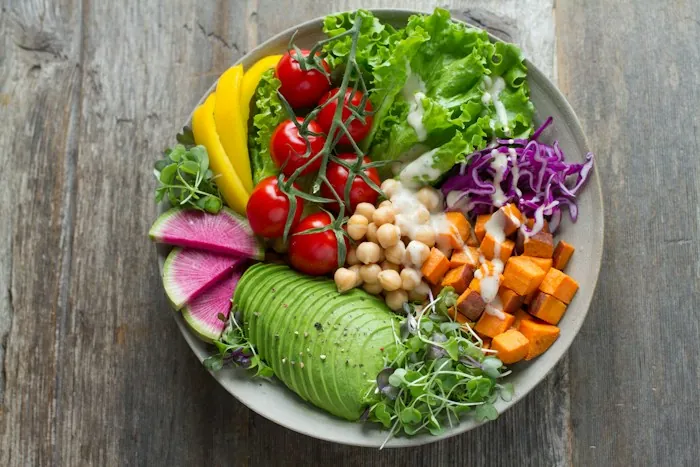
Fill about half your plate with vegetables. Add a protein and a starchy food, and choose whole grains more often, as the NIDDK suggests.
See our guide on how to build a balanced plate.
Step 3. Choose your meals for the week
- Pick 4 or 5 dinners. Leave 1 or 2 nights open for leftovers or eating out.
- Choose 2 breakfasts and 2 lunches you like and repeat them.
- Add 2 or 3 snacks, such as fruit, yogurt or nuts.
Step 4. Write a shopping list
Check your fridge and cupboards first. Then write a list by section. Stick to it, and read labels, choosing products with more green than amber or red, as the NHS suggests.
Step 5. Prep ahead
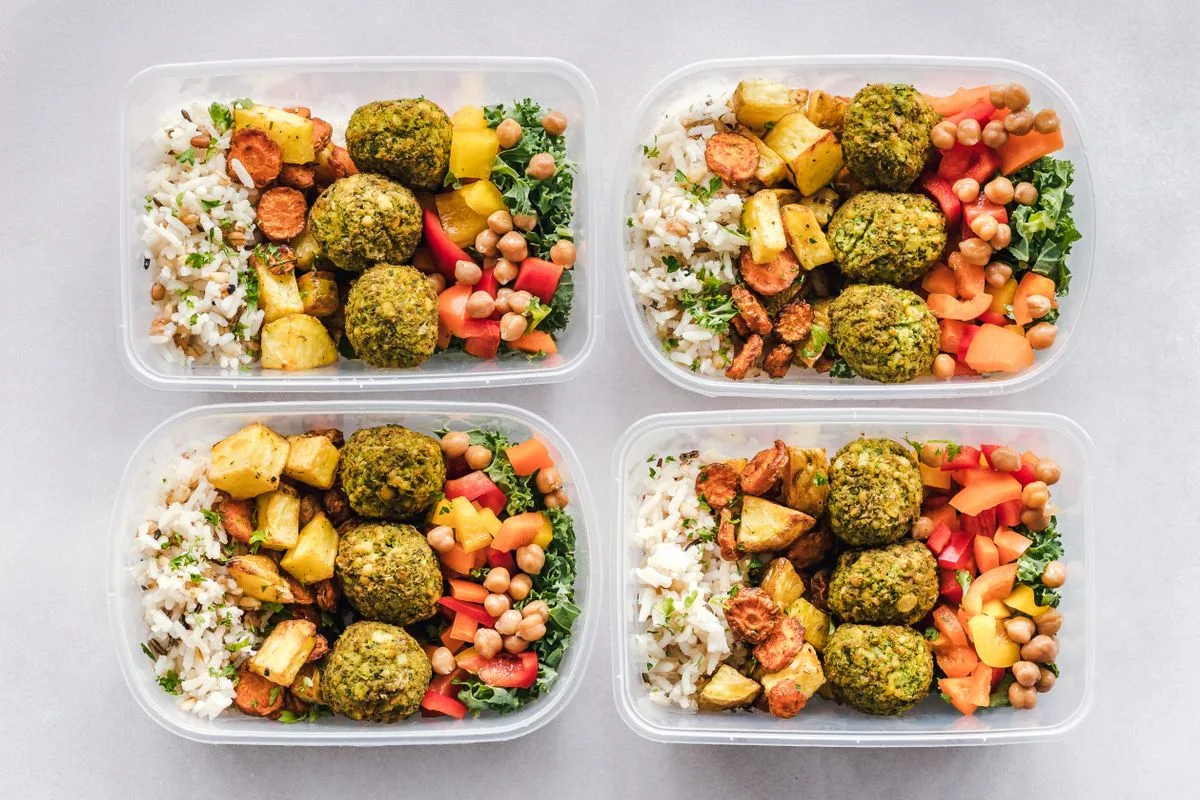
Spend an hour on the weekend washing and chopping vegetables, cooking a grain and a protein, and making a sauce. You will thank yourself on busy nights.
Want the full nutrition picture?
Our Healthy Eating Guide brings balanced plates, portions and planning into one clear plan.
A sample week
Here is an example of what a simple week could look like. Swap meals for foods you enjoy.
- Monday: vegetable and lentil soup, whole-wheat bread, fruit.
- Tuesday: baked fish, brown rice, roasted vegetables.
- Wednesday: chicken and vegetable stir fry with noodles.
- Thursday: leftover stir fry as wraps, plus a salad.
- Friday: bean chili with rice and a green salad.
- Saturday: homemade pizza on a wholemeal base with lots of vegetables.
- Sunday: roast vegetables with eggs, or an easy meal from leftovers.
Breakfast and snack ideas
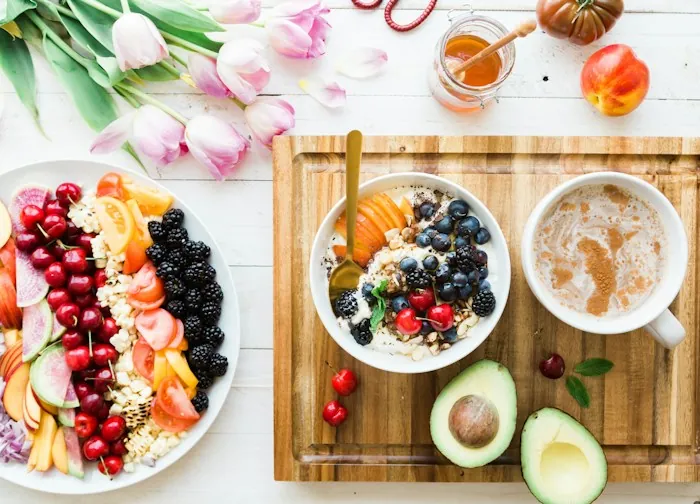
- Oats with berries and yogurt.
- Eggs on whole-wheat toast with tomato.
- Fruit and a handful of nuts.
- Vegetable sticks with hummus.
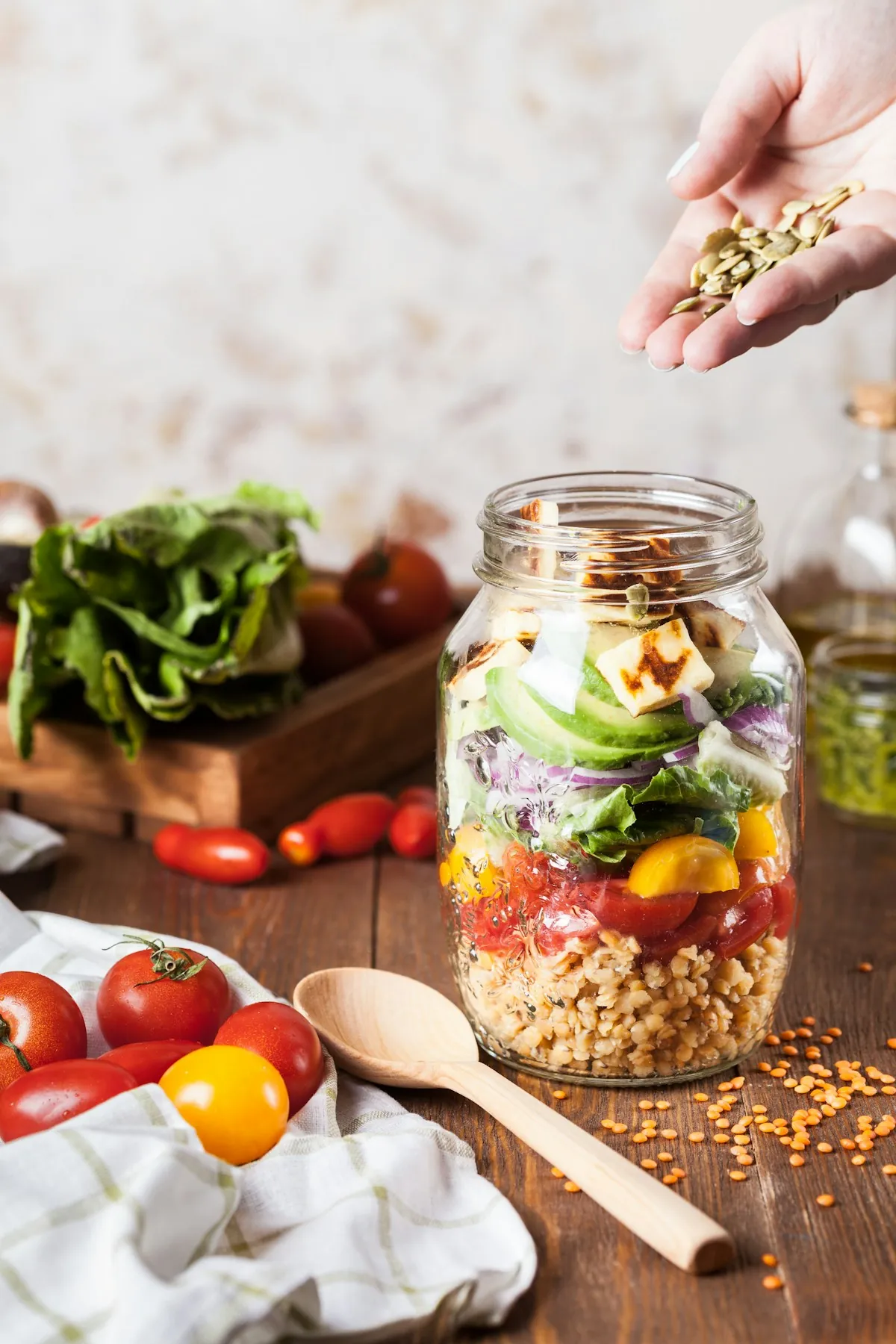
Stay flexible when life happens
Plans will change. A flexible plan survives busy weeks.
- Keep two backup meals. Choose meals from tins, the freezer or the cupboard.
- Swap days. Move meals around instead of skipping the plan.
- Use leftovers. Cook a little extra and turn it into lunch.
- Have a plan for eating out. Choose a dish with visible vegetables, and stop when you feel satisfied, as the NHS suggests.
- Do not skip meals. The NHS advises against it, since it can lead to more hunger-driven snacking.
If you fall off the plan for a day, restart with your next meal. One day rarely changes your overall progress.
Plan your snacks and drinks too
Snacks and drinks can quietly add up. Include them in your plan.
Snacks
The NHS suggests not keeping unhealthy snacks at home and choosing options such as popcorn, fruit or rice cakes instead.
Drinks
The NHS suggests swapping sugary drinks for water, with lemon or lime slices for flavor. Keep a bottle where you can see it.
Our article on the benefits of drinking enough water has more ideas.
Alcohol
Alcohol adds calories and can weaken your plans. If you drink, plan your limits in advance.
Plan on a budget and on a busy schedule
On a budget
- Build meals around beans, lentils, eggs, oats and rice.
- Buy frozen and canned vegetables, which the NHS says count toward 5 A DAY.
- Buy seasonal produce.
- Cook once and eat twice.
If you are short on time
- Batch cook on the weekend.
- Use a slow cooker or one-pan recipes.
- Buy pre-cut vegetables or frozen mixes.
- Keep five-minute meals ready, such as eggs on toast with a salad.
Our guide on setting up a healthier kitchen lists staples that make quick meals easy.
A sample shopping list for the week
Here is a simple list that matches the sample week above. Adjust it to your household.
- Vegetables: onions, garlic, tomatoes, peppers, carrots, spinach, broccoli, frozen mixed vegetables.
- Fruit: apples, bananas, berries, lemons.
- Protein: eggs, chicken, fish, lentils, canned beans, plain yogurt.
- Grains: oats, brown rice, whole-wheat bread or wraps, whole-wheat pasta.
- Extras: nuts, hummus, olive oil, herbs and spices, stock.
Write the list in the order of your shop, so you move through it once. Stick to it, and read labels for sugar, fat and salt.
The NHS suggests choosing products with more green than amber or red on the label.
Batch cooking basics
Cooking once for several meals is one of the best time-savers. Keep it simple.
- Cook a grain. A big pot of rice, quinoa or barley lasts several days in the fridge.
- Roast vegetables. One large tray of mixed vegetables adds to bowls, wraps and salads.
- Cook a protein. Bake chicken or fish, boil eggs or simmer lentils.
- Make a sauce. A tomato sauce, a yogurt dressing or a simple curry sauce changes the taste of leftovers.
- Portion and label. Use clear containers, and mark the day you cooked them.
Keep food safe
Cool cooked food quickly, then store it in the fridge or freezer. Reheat until steaming hot, and do not reheat rice or other leftovers more than once.
When in doubt, follow local food safety guidance.
Common meal planning mistakes
- Planning too much. Seven brand-new recipes in a week is a lot. Repeat favorites.
- Ignoring your schedule. Plan simple meals for busy nights.
- Forgetting snacks. Unplanned snacks can undo good meals.
- Being too strict. Leave space for treats and social events.
- Not shopping the plan. A great plan fails if the ingredients are missing.
- Skipping the review. A weekly check keeps the plan useful.
If you feel very restricted or anxious around food while planning, talk to a professional. Meal planning should make food easier, not more stressful.
Match your plan to your life, not the other way round
A meal plan that ignores your real life will not last. Before you plan, look at your week honestly.
Which days are the busiest? Which evenings do you eat out? Who else do you cook for? What do you actually enjoy eating?
- On busy days, plan the fastest meals, such as eggs and salad, soup from the freezer or a stir fry with frozen vegetables.
- On days with more time, cook something you enjoy and make extra portions.
- If you cook for others, choose meals everyone likes, and add extra vegetables on the side.
- If you love a certain food, plan a place for it. A plan without enjoyment rarely lasts.
Include your cultural foods
Healthy eating does not mean giving up the foods you grew up with. Many traditional meals are built around vegetables, beans, grains and spices.
Adjust portions and cooking methods rather than dropping meals you love. For example, use less oil, add more vegetables and choose whole grains where you can.
Give yourself flexibility
Leave one or two meals a week unplanned for spontaneous plans or leftovers. This keeps your plan realistic and removes the feeling of failure when life gets in the way.
What to do when the plan is not enough
Sometimes a meal plan is only part of the answer. If weight loss feels stuck, look at the rest of the picture.
- Sleep. NHS Better Health says too little sleep can make you more likely to choose high-calorie foods.
- Movement. The NHS suggests 150 minutes of activity a week, which can be broken into shorter sessions.
- Stress. Stress can change how and when you eat. Try a short walk or a slow breath before reaching for a snack.
- Support. The NHS suggests sharing your plan with someone you trust.
If you still feel stuck after a few weeks, talk to your doctor or a registered dietitian. They can look at your whole situation and tailor advice to you.
Review your plan every week
Spend ten minutes each week looking at what worked. Ask:
- Which meals did I enjoy, and which did I skip?
- Did I run out of food or waste any?
- Did I feel satisfied, or hungry between meals?
- What one change would make next week easier?
A short food diary can help you see patterns.
If you have a health condition, or are pregnant, or have had an eating disorder, talk to your doctor or a registered dietitian before you follow a structured plan.
This article is general education, not personal medical advice. Its reviewer, Meena Narayanan, holds a personal training credential, which is not a medical or dietetics credential. Talk to your doctor before you change your eating or exercise, especially if you have a health condition, take medicines, are pregnant, or have ever had an eating disorder.
Recap: the main points
- Plan meals to make healthy choices easy.
- Aim for a steady pace of 0.5 to 1 kg a week, per the NHS.
- Build balanced plates, and plan snacks and drinks too.
- Keep the plan flexible, with backup meals and leftovers.
- Review weekly and talk to a professional if you have a health condition.
Weight loss meal planning: frequently asked questions
Set a realistic goal, choose 4 or 5 dinners plus a few breakfasts, lunches and snacks, write a shopping list and prep a few basics.
It is optional. Some people like numbers, and others prefer balanced plates. If you use a calorie target, talk to your doctor or a dietitian.
Plan fewer meals than there are days, and leave one or two open for leftovers or eating out.
No, but even a small amount, such as washing and chopping vegetables and cooking a grain, makes cooking faster.
Restart with your next meal. A plan is a guide, and one day rarely changes your progress.
No. The NHS advises against skipping meals because it can lead to more hunger-driven snacking.
Want the full plan? Read our Weight Management Guide.
Sources and further reading
We checked the figures and guidance in this article against these sources. This article does not give personal medical advice.
- NHS: 12 tips to help you lose weight
- NHS: Eight tips for healthy eating
- NIDDK: Health tips for adults
- NHS Better Health: Lose weight
Want more? Head back to the Weight Management hub or read the Start Here guides.