Why your morning matters for weight loss
Your first hour sets the tone for the day. If you start with rushed choices, a skipped breakfast and a sugary coffee, the rest of the day can drift. If you start with a little structure, healthy choices feel easier.
There is no magic in the morning itself. The benefit comes from doing a few useful things at the same time each day, until they become automatic.
What a good routine can do
- Give you a steady start and reduce rushed decisions.
- Help you drink more water and eat balanced meals.
- Add a little movement before the day gets busy.
- Support better sleep by anchoring your wake-up time.
The trick is to keep it small. A routine you can repeat on your worst day is worth more than an ideal one you drop after a week.
Build a full daily routine around your morningsThe core steps
Step 1. Wake at a steady time
The NHS says going to bed and getting up at similar times each day helps your body know when it is time to sleep, and that this holds on non-working days too.
Choose a wake-up time you can keep most days, then work backward to set a bedtime that gives you enough sleep.
Step 2. Drink a glass of water
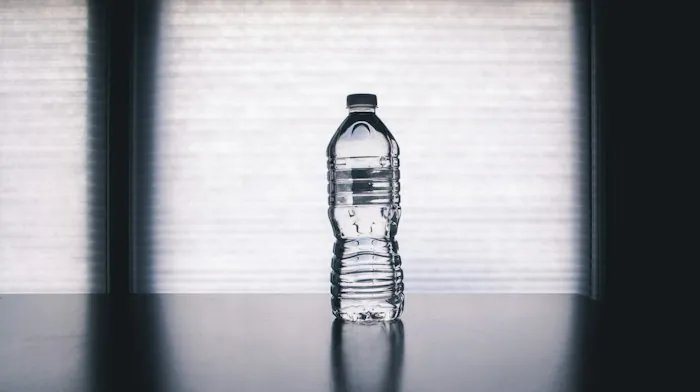
Keep a glass or bottle by your bed. The NHS suggests swapping sugary drinks for water, and a glass first thing is an easy start.
Step 3. Move for a few minutes
Stretch, walk around the block or do a few gentle exercises. NHS Better Health says even 10 minutes a day can make a difference.
You do not need to work out hard. The aim is to wake your body up and start moving.
Step 4. Eat a balanced breakfast
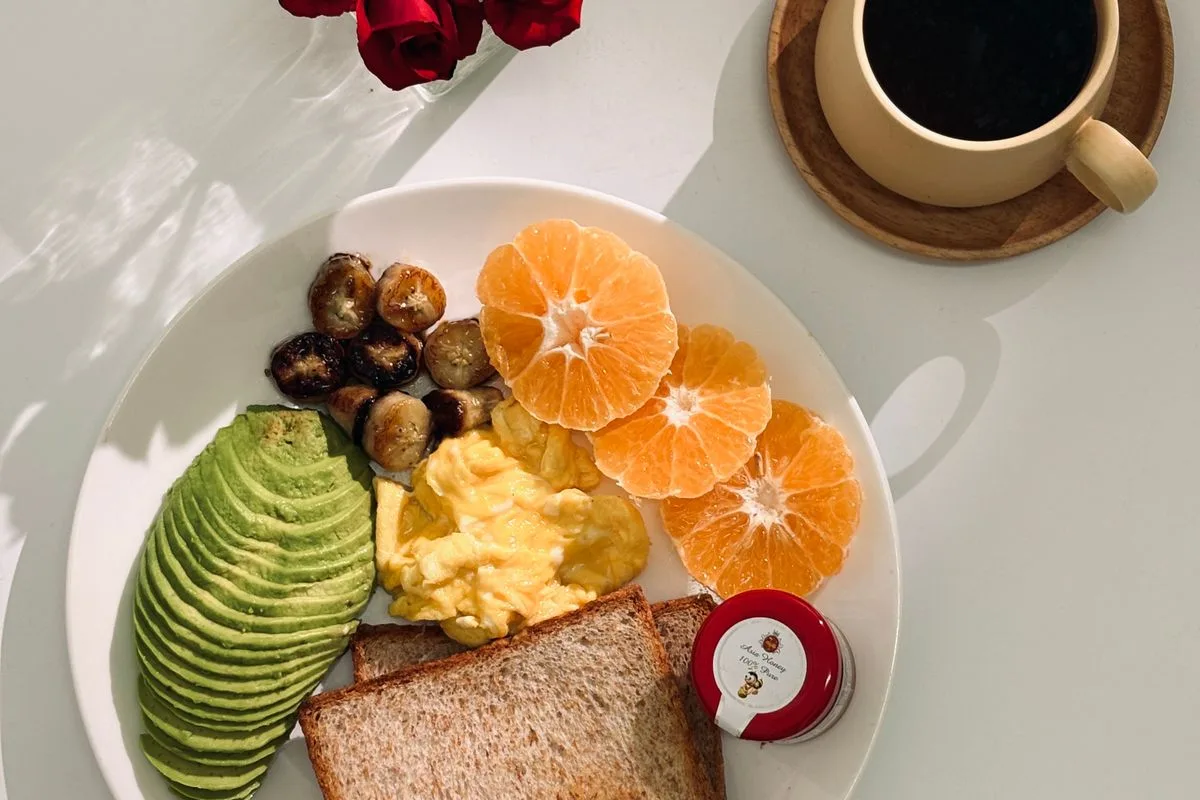
The NHS advises not skipping meals, since it can lead to more hunger-driven snacking. A balanced breakfast includes protein and fiber, for example oats with yogurt and fruit, or eggs on whole-wheat toast with tomato.
The NIDDK suggests choosing whole grains more often, such as whole-wheat bread and oatmeal.
Step 5. Plan your day
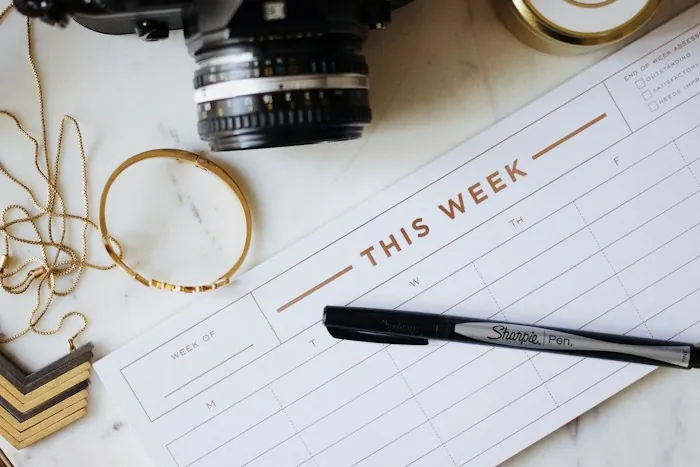
Take two minutes to look at your day. Decide what you will eat for lunch and dinner, and when you will move. A quick plan removes many later decisions.
Want a plan for the whole day?
The Weight Management Guide shows how meals, movement, sleep and habits fit together in a simple week.
Three versions: 10, 20 and 30 minutes
The 10-minute version
- Drink a glass of water.
- Stretch for two minutes.
- Walk briskly for five minutes.
- Take a minute to plan lunch.
The 20-minute version
- Drink a glass of water.
- Stretch or do a few bodyweight moves for five minutes.
- Take a ten-minute brisk walk.
- Eat a simple balanced breakfast.
- Take two minutes to plan the day.
The 30-minute version
- Drink a glass of water.
- Do a short strength routine, for example sit-to-stands, wall push-ups and glute bridges, for ten to fifteen minutes.
- Add a brisk walk or a light jog.
- Cook or assemble a balanced breakfast.
- Plan meals and movement for the day.
Choose the version that fits the day. On busy mornings, the 10-minute version still counts.
For strength ideas, see our guides to beginner strength training and walking for fitness.

Balanced breakfast ideas
Aim for protein, fiber and a little healthy fat. Here are some easy ideas.
- Oats with berries, nuts and plain yogurt.
- Scrambled eggs with spinach on whole-wheat toast.
- Whole-wheat toast with mashed avocado and a boiled egg.
- Vegetable omelet with a piece of fruit.
- Plain yogurt with fruit and seeds.
- Lentil dosa or a vegetable-filled wrap, if that suits your tastes.
What to watch
The NHS suggests swapping sugary cereals for wholegrain options and cutting down on high-sugar and high-fat foods.
Sugary drinks and pastries can leave you hungry again soon. Read labels, and choose products with more green than amber or red, as the NHS suggests.
For more, see our article on the best foods for fat loss.
Prepare the night before
Most good mornings start the evening before. A few minutes of prep make the morning easier.
- Lay out your workout clothes or walking shoes.
- Prepare breakfast, such as overnight oats or chopped fruit.
- Fill a water bottle and place it in the fridge.
- Pack your lunch and snacks.
- Set your alarm and put your phone across the room.
Also protect your sleep. Our 30-minute wind-down routine helps you fall asleep more easily, and our article on sleep and weight loss explains why it matters.
Adapting your routine to your life
Morning routines look different for everyone. Here are some ideas for common situations.
- Parents of young children: pair movement with the kids, such as a walk to school or a dance in the kitchen. Prepare breakfast together.
- Shift workers: use "morning" as the first part of your day, whenever that is, and keep the same steps after you wake.
- Remote workers: start with a short walk in place of a commute. Eat breakfast away from your laptop.
- Very busy people: choose the 10-minute version and prepare the night before.
- Older adults: choose gentle movement such as stretching and a slow walk, and check with your doctor about what suits you.
The steps stay the same: steady wake time, water, movement, a balanced breakfast and a quick plan. Only the details change.
Build the routine over four weeks
Trying to start everything at once rarely works. Build the routine in layers.
- Week 1: keep a steady wake-up time and drink a glass of water.
- Week 2: add five minutes of stretching or walking.
- Week 3: add a balanced breakfast, and prepare it the night before.
- Week 4: add two minutes of planning, and extend your movement to ten minutes.
Aim for most mornings, not every morning. On tough days, do the smallest version.
After four weeks, review. Which steps do you enjoy? Which feel forced? Adjust so the routine feels like yours.
What if you feel hungry or have no time?
- If you are hungry when you wake, eat something small and balanced before you move.
- If you are short of time, do the water, a two-minute stretch and a quick breakfast.
- If you feel dizzy, weak or unwell when you exercise in the morning, stop and speak to your doctor.
Keeping the routine going
The hardest part is not starting. It is repeating it on ordinary days when you do not feel like it.
- Tie it to a cue. Do it right after you turn off your alarm or brush your teeth.
- Make it easy. Leave your shoes and water out the night before.
- Track lightly. Tick a box on a calendar when you complete your routine.
- Find a buddy. Message a friend when you finish. The NHS suggests sharing your plan with someone you trust for motivation.
- Reward yourself. Enjoy a favorite tea or a moment of quiet after you finish.
If you miss a few days, just restart. Look at what got in the way and make the plan easier. Our article on how to build a habit that sticks has more ideas.
What about coffee and tea?
Many people love a morning coffee or tea, and there is no need to give it up. Both can fit into a healthy routine.
The trouble usually comes from what goes in the cup. Sugary syrups, sweetened creamers and large milky drinks can add many calories without filling you up. The NHS suggests swapping sugary drinks for water and cutting down on high-sugar foods.
- Drink water first, then have your coffee or tea.
- Choose unsweetened or lightly sweetened drinks.
- Keep your last caffeinated drink earlier in the day, since the NHS notes caffeine can make it harder to sleep.
- Enjoy your drink slowly, and do not use it as a replacement for breakfast.
Harvard Health notes that caffeine and green tea may give a small lift to calorie burn, but the effect is modest. Treat your morning cup as a pleasure, not a fat-loss tool.
Common mistakes
- Skipping breakfast to save calories. The NHS advises against skipping meals.
- Doing too much. A 90-minute plan will not last. Start small.
- Relying on a detox drink or supplement. No morning drink melts fat. The NCCIH says supplements marketed for weight loss have not been shown to produce meaningful weight loss.
- Staying up late to be an early riser. Sleep comes first.
- Checking your phone first. Emails and news can raise stress before you have started the day.
- Giving up after a slip. Restart the next day.
If you are a night owl, do not force a very early routine. Choose a wake-up time that fits your work and life, and keep the same steps.
This article is general education, not personal medical advice. Its reviewer, Meena Narayanan, holds a personal training credential, which is not a medical or dietetics credential. Talk to your doctor before you change your eating or exercise, especially if you have a health condition, take medicines, are pregnant, or have ever had an eating disorder.
Recap: the main points
- A morning routine does not burn fat, but it makes healthy choices easier.
- Wake at a steady time, drink water, move a little, eat a balanced breakfast and plan your day.
- Use the 10, 20 or 30 minute version to fit the day.
- Prepare the night before and protect your sleep.
- Do not skip breakfast or rely on detox drinks.
Morning routine for weight loss: frequently asked questions
A simple one: wake at a steady time, drink water, move for a few minutes, eat a balanced breakfast and plan your day. Consistency matters more than the details.
Any time you can move is fine. NHS Better Health says even 10 minutes a day can make a difference, so choose the time that you will keep doing.
The NHS advises not skipping meals, because it can lead to more hunger-driven snacking. If you are not hungry, choose a small, balanced breakfast.
Water instead of sugary drinks helps, as the NHS suggests. Water alone does not burn fat, but it is an easy habit to start.
Ten minutes is enough to start. You can build up to 20 or 30 minutes if it suits you.
Keep a steady wake-up time you can manage and use the shortest version of the routine. Sleep and consistency matter more than an early start.
Want the full plan? Read our Weight Management Guide.
Sources and further reading
We checked the figures and guidance in this article against these sources. This article does not give personal medical advice.
- NHS Every Mind Matters: How to fall asleep faster and sleep better
- NHS: 12 tips to help you lose weight
- NHS Better Health: Lose weight
- NIDDK: Health tips for adults
- NCCIH: 6 things to know about dietary supplements marketed for weight loss
Want more? Head back to the Weight Management hub or read the Start Here guides.