
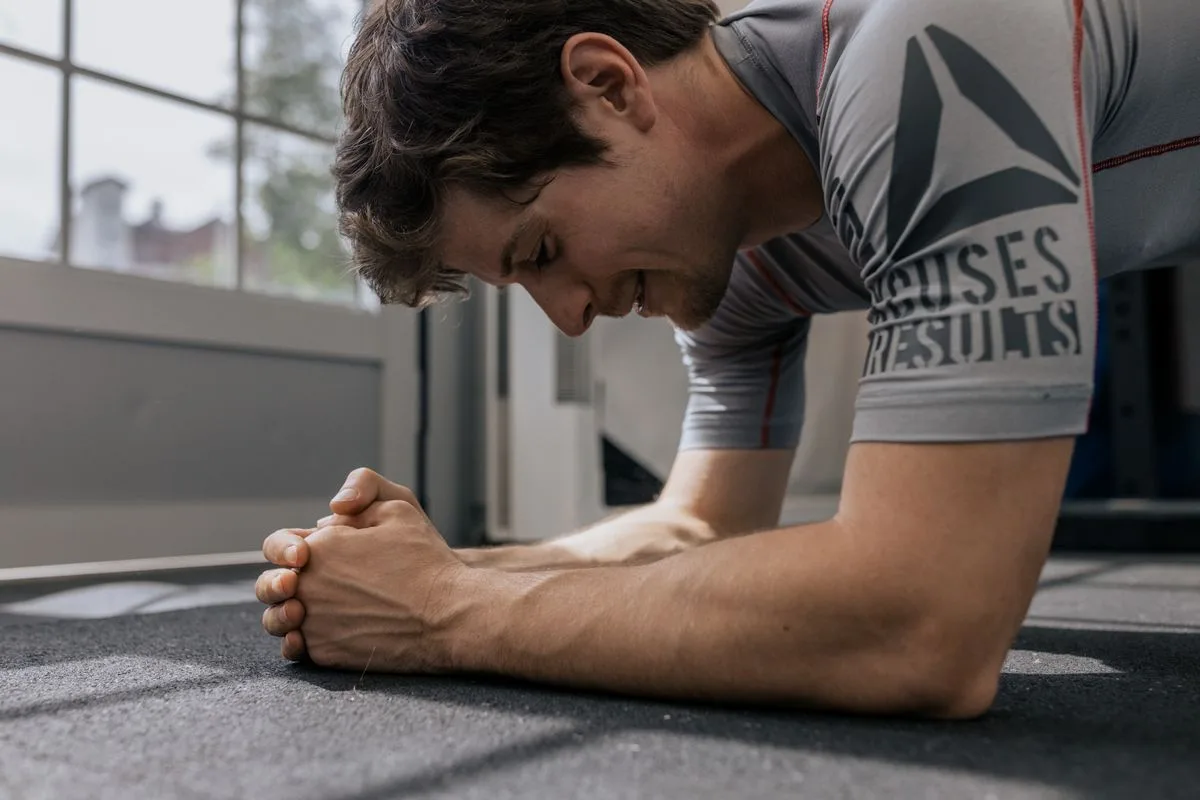
What is your core, and why does it matter?
Your core is more than your abs. It includes the muscles around your abdomen, back, sides and hips. Together they support your spine, help you keep your balance and transfer force between your upper and lower body.
Harvard Health says weakness in the core can lead to poor posture and neck and shoulder pain, and that sore knees and hips can often be traced to a weak core, with low back pain the main concern.
A strong core makes everyday tasks easier, from lifting a bag to getting out of a chair. It is also useful for almost every sport and workout.
See our simple home workout routineCore training basics
- Move slowly and with control. Speed is not the goal, as Harvard Health notes for the bird dog.
- Breathe steadily. Do not hold your breath.
- Keep your back neutral. Do not arch or sag.
- Stop if you feel pain in your back.
- Warm up first, for 5 to 10 minutes.
If you have back problems, osteoporosis or another health condition, talk to your doctor or a physiotherapist before you start, and choose modified versions.
This article is general education, not personal medical advice. Its reviewer, Meena Narayanan, holds a personal training credential, which is not a medical credential. Talk to your doctor before you start or change an exercise routine, especially if you have a health condition, an injury, dizziness, take medicines, are pregnant or have not exercised for a long time. Stop and get medical help for chest pain, severe breathlessness, fainting or sharp pain.
Exercise 1: Plank
Harvard Health describes lying facedown with your forearms on the floor and legs extended, then pushing into your forearms to raise your body into a straight line from head to feet, with hips level, gaze downward, abdominal muscles engaged and steady breathing.
- Hold for 10 up to 30 seconds, which Harvard Health says is plenty.
- Build up gradually. Two minutes is often considered the maximum, and you do not gain much beyond that.
- Modify: do it on your knees, or lean against a counter at a 45-degree angle, if you have back issues.
- Progress: add alternating leg lifts once the basic plank feels easy.
Harvard Health says you can plank every day, on alternate days or as part of your regular workouts.
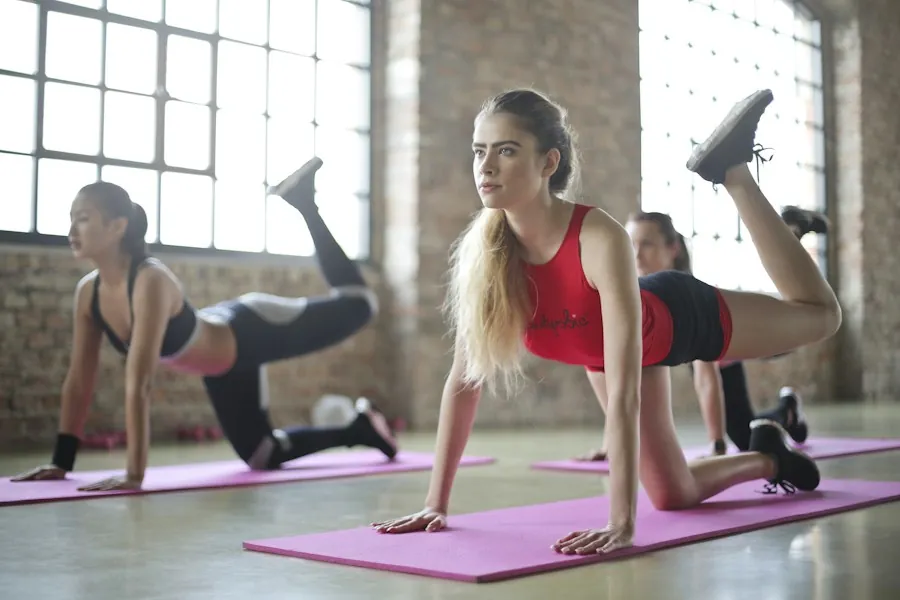
Exercise 2: Bird dog
Harvard Health says to start on your hands and knees, with hands under your shoulders and knees under your hips. Extend your left leg behind you while reaching your right arm out in front, keeping your hips and shoulders squared. Try to bring the leg and arm parallel to the floor, hold, then return and repeat on the other side. It suggests 10 reps in total.
- Beginners can start by extending just their arms or legs.
- Avoid arching your back, looking up or rotating your hips.
- Do not lift your arm or leg higher than your trunk.
- Place a small pillow on your back as a cue to avoid arching.
- Use a mirror to check your form, if you can.
Exercise 3: Dead bug
- Lie on your back with your arms pointing to the ceiling and your knees bent at 90 degrees over your hips.
- Slowly lower your right arm overhead and your left leg toward the floor, keeping your lower back gently pressed down.
- Return and repeat on the other side.
- Do 8 to 10 slow repetitions in total.
If it feels hard, move only your legs, or only your arms.
Exercise 4: Side plank
- Lie on your side with your forearm under your shoulder and legs stacked.
- Lift your hips so that your body forms a straight line.
- Hold for 10 to 20 seconds.
- Switch sides.
- Modify: bend your knees, and lift from your knees.
Side planks strengthen the muscles at the sides of your trunk, which help stabilize your spine.
Exercise 5: Glute bridge
- Lie on your back with knees bent and feet flat.
- Squeeze your buttocks and lift your hips into a straight line from shoulders to knees.
- Pause, then lower slowly.
- Do 8 to 12 repetitions.
The glute bridge works your buttocks, hamstrings and lower back, which team up with your core.
Three sample core routines
Beginner (10 minutes, twice a week)
- Plank on knees, 10 to 20 seconds, 2 times.
- Bird dog, arms only or legs only, 5 to 10 repetitions.
- Glute bridge, 8 repetitions.
Intermediate (15 minutes, 2 to 3 times a week)
- Plank, 20 to 30 seconds, 2 times.
- Full bird dog, 10 repetitions in total.
- Dead bug, 8 to 10 repetitions.
- Side plank, 10 to 20 seconds each side.
- Glute bridge, 10 to 12 repetitions.
Advanced (20 minutes)
- Add leg lifts to the plank.
- Hold the plank a little longer, up to a minute.
- Do two rounds of each exercise.
Progress only when the current level feels easy and your form is steady.
How to progress safely
Progress means making exercise a little harder as your body adapts. You only need to change one thing at a time. Harvard Health advises choosing a weight or resistance that is challenging but manageable, and says that if you are grunting or getting stuck in the middle of a lift, you are using too much weight.
- More repetitions. Add one or two per set each week, up to about 12.
- More sets. Move from one set to two, as Harvard Health suggests.
- More load. Use a heavier weight, a resistance band or a backpack with books.
- Slower tempo. Take three seconds to lower in each repetition.
- Harder versions. Move from wall push-ups to incline push-ups, then floor push-ups.
- Less rest. Shorten the breaks between moves a little.
Give each change a week or two. If a week feels too hard, go back to the earlier level. Progress is not a straight line.
If you are older or returning to exercise
You can start at any age. If you are older, have not exercised for a while or have joint problems, choose gentle versions and build up slowly.
- Use a sturdy chair or wall for support.
- Choose low-impact moves, such as walking, wall press-ups and sit-to-stands.
- Add balance work, like the exercises in our guide to balance exercises at home.
- Read strength training after 40 for more tips.
- Check with your doctor before you start, especially if you have a health condition.
Harvard Health says most people can safely take up walking, and it is a good place to begin if you are unsure.
Common myths
Myth 1: You have to feel very sore to get results
Mild tiredness is normal, but severe or lasting soreness is a sign to ease off. Progress comes from steady, repeated effort.
Myth 2: You can spot-reduce fat
Working one area does not remove fat only from that area. Fat loss happens across your body.
Myth 3: More is always better
Muscles adapt during rest. The NIDDK suggests at least 1 day of rest between workouts for the same muscle groups.
Myth 4: Short workouts do not count
NHS Better Health says even 10 minutes a day can make a difference, and the NHS says you can break weekly activity into shorter sessions.
Track your progress
A simple record shows you how far you have come, even when the scale does not move.
- Write down the date, the exercises and how you felt.
- Note repetitions and sets, or how long you held a plank.
- Rate your energy and mood from 1 to 5.
- Notice everyday wins, such as easier stairs or lighter shopping bags.
- Review every four weeks and choose one small change.
A calendar with ticks works just as well as an app. The point is to see the pattern.
If your goal is weight loss
Exercise supports weight loss, but food, sleep and habits matter too. The NHS suggests 150 minutes of activity a week for weight loss and health, and the NIDDK adds at least 2 days a week of strength work.
- Combine strength work with regular walking.
- Do not expect to lose fat from one body part. Exercise does not work that way.
- Focus on habits you can keep, such as three sessions a week.
- Pair exercise with balanced meals and good sleep.
Our guides on strength training for weight loss and the complete guide to weight loss show how it all fits together.
Recover well between workouts
Recovery is where you get stronger. Give your body what it needs between sessions.
- Sleep at least seven hours, and keep a regular schedule.
- Eat regular meals with protein, vegetables and whole grains.
- Drink water through the day.
- Take at least 1 day of rest between workouts for the same muscle groups, as the NIDDK suggests.
- Move gently on rest days, with a walk or light stretching.
Read our guide to rest and recovery to learn how to read your body's signals.
Common core mistakes
- Only doing crunches. A stable core needs a mix of moves.
- Letting your hips sag or rise in a plank. Keep a straight line.
- Holding your breath. Breathe steadily.
- Rushing. Slow and controlled works better.
- Doing too much too soon. Build up gradually.
- Ignoring back pain. Stop and get advice if it happens.
Recap: the main points
- Your core includes the abdomen, back, sides and hips, and supports your spine.
- Use a few controlled moves: plank, bird dog, dead bug, side plank and glute bridge.
- Hold planks for 10 to 30 seconds, and do 10 reps of the bird dog, per Harvard Health.
- Modify moves if you have back issues, and stop if you feel pain.
- Check with your doctor if you have back problems or osteoporosis.
Core exercises: frequently asked questions
The plank, bird dog, dead bug, side plank and glute bridge are simple, effective options when done with good form.
Harvard Health says anywhere from 10 up to 30 seconds is plenty. Two minutes is often considered the maximum.
Harvard Health says a weak core is often linked to low back pain. If you have back problems, do the plank on your knees or lean against a counter, and talk to your doctor.
Two or three times a week is a good start. Harvard Health says you can plank every day, on alternate days or as part of regular workouts.
No. Crunches are only one option. A mix of planks, bird dogs and other controlled moves works the core in a safer way for many people.
Talk to your doctor before core work if you have back problems, osteoporosis or another health condition, and stop if you feel pain.
Want a full plan? Read our Beginner Fitness Guide.
Related reading: Daily Mobility Exercises for Stiff Hips and Shoulders: A 10-Minute Routine · Mobility Exercises for Stiff Hips and Shoulders
Sources and further reading
We checked the figures and guidance in this article against these sources. This article does not give personal medical advice.
- Harvard Health: Straight talk on planking
- Harvard Health: Bird dog exercise for your core
- NHS: Physical activity guidelines for adults aged 19 to 64
- Harvard Health: Exercise 101, don't skip the warm-up or cool-down
- Harvard Health: Do you need to see a doctor before starting your exercise program?
Want more? Head back to the Fitness hub or read the Start Here guides.