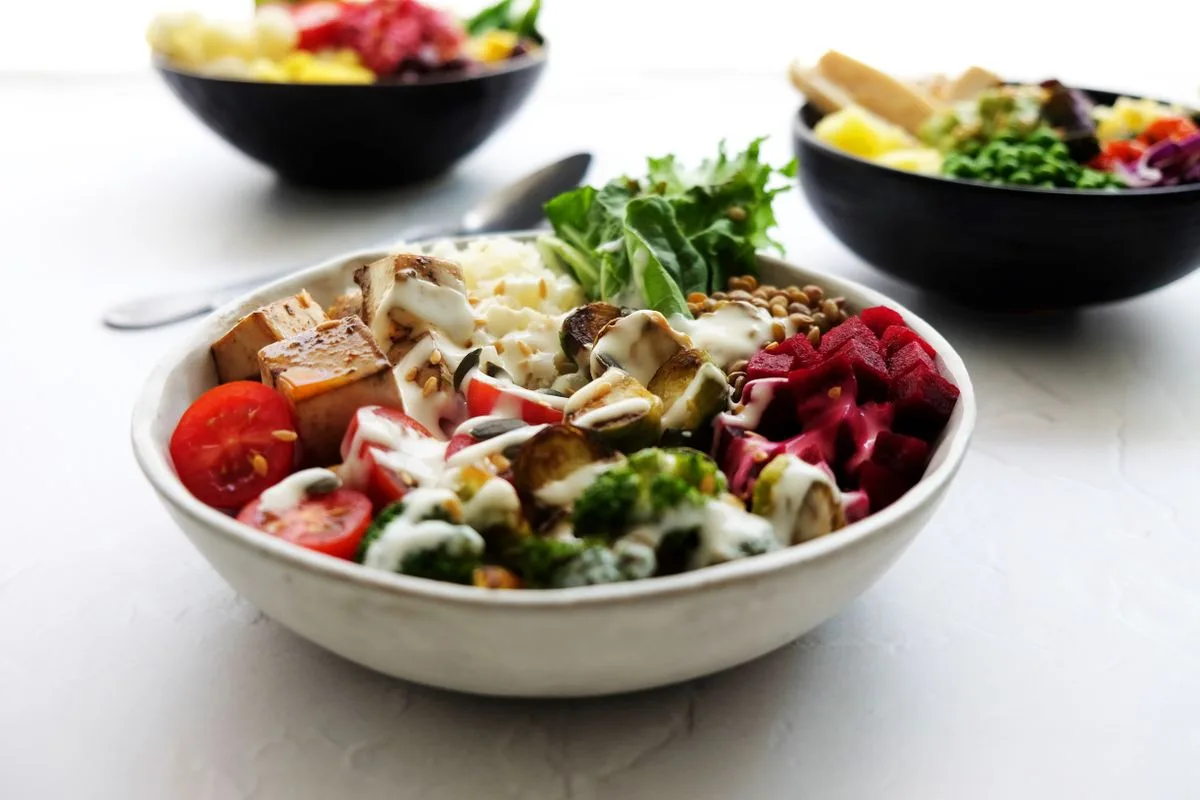
What does plant-based mean?
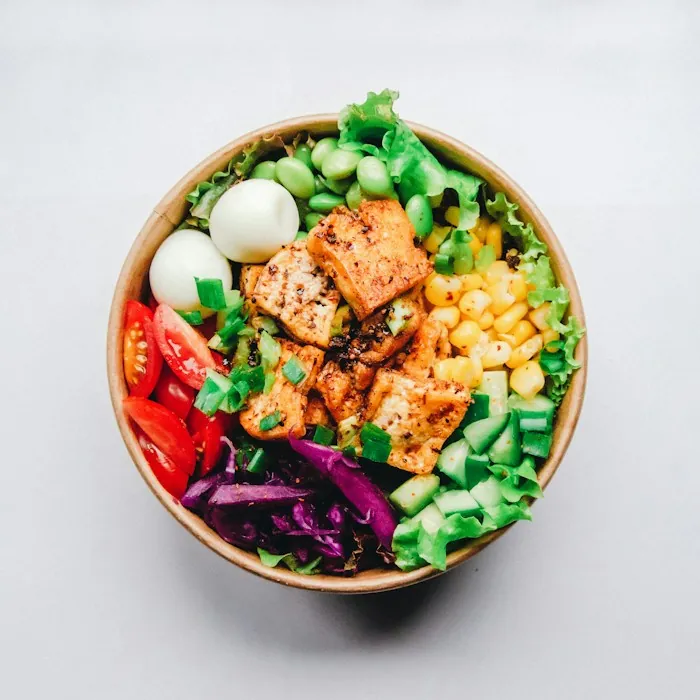
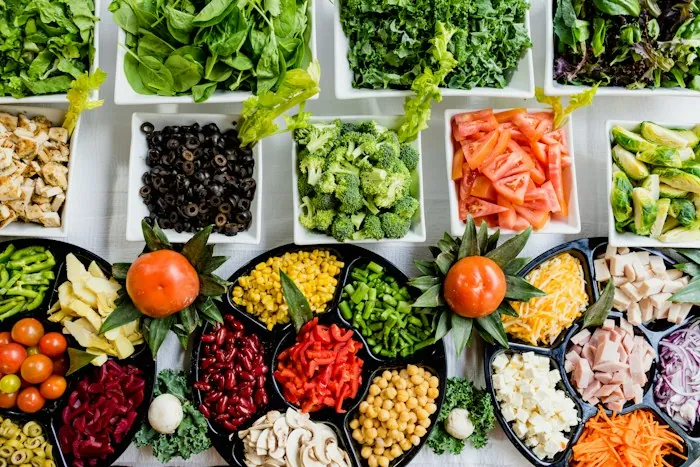
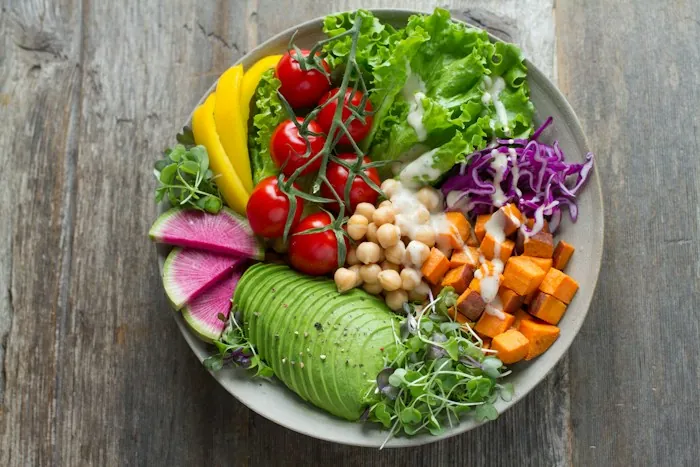
A plant-based diet centers on foods from plants: vegetables, fruit, whole grains, beans, lentils, nuts and seeds. It can be fully vegan, vegetarian with dairy and eggs, or simply a diet where plants take up more of your plate.
You do not need to choose a label. Many people benefit from eating more plants while still eating some fish, dairy, eggs or meat.
This article looks at what the NHS says about vegetarian and vegan eating, and how to cover the nutrients that need attention.
See how to build a balanced plateWhat are the potential benefits?
The NHS says a healthy diet for vegetarians is the same as for anyone else, but without meat or fish, and it recommends at least 5 portions of fruit and vegetables a day. Plant foods are also the main source of fiber. The NHS says adequate fiber is associated with a lower risk of heart disease, stroke, type 2 diabetes and bowel cancer, and adults should aim for 30 g a day.
- More fiber, from whole grains, beans, fruit and vegetables.
- More fruit and vegetables, which the NHS says should be at least 5 portions a day.
- Less saturated fat, if you replace fatty meat and full-fat dairy with plant foods. The NHS says swapping saturated for unsaturated fats can help lower cholesterol.
A plant-based diet is not automatically healthy. Chips, sweets and highly processed foods can be vegan too. What matters is the overall pattern: mostly whole, minimally processed foods.
Want a plan for balanced meals?
The Healthy Eating Guide shows how to build meals step by step.
Nutrients to watch
The NHS highlights several nutrients that need attention in vegetarian and vegan diets.
- Protein: the NHS says vegetarians should eat beans, pulses, eggs and other protein sources, and a variety of sources to get the right mix of amino acids.
- Iron: plant iron is less easily absorbed. Good sources include pulses, wholemeal products, fortified cereals and dark green vegetables. Pairing with vitamin C helps absorption.
- Vitamin B12: the NHS says it is only found naturally in animal products. Fortified foods, such as some cereals, soya drinks and yeast extracts, and supplements are important.
- Calcium: the NHS lists leafy greens, calcium-set tofu, fortified plant drinks and bread.
- Omega-3: sources include walnuts, flaxseed oil, chia seeds and hemp seeds. The NHS notes vegetarian sources may not have all the same benefits as oily fish.
- Vitamin D: the NHS says everyone should consider a daily supplement in autumn and winter.
- Iodine and selenium: the NHS suggests considering supplements for vegans.
See our guides to calcium foods, magnesium-rich foods and macronutrients.
A plant-based plate
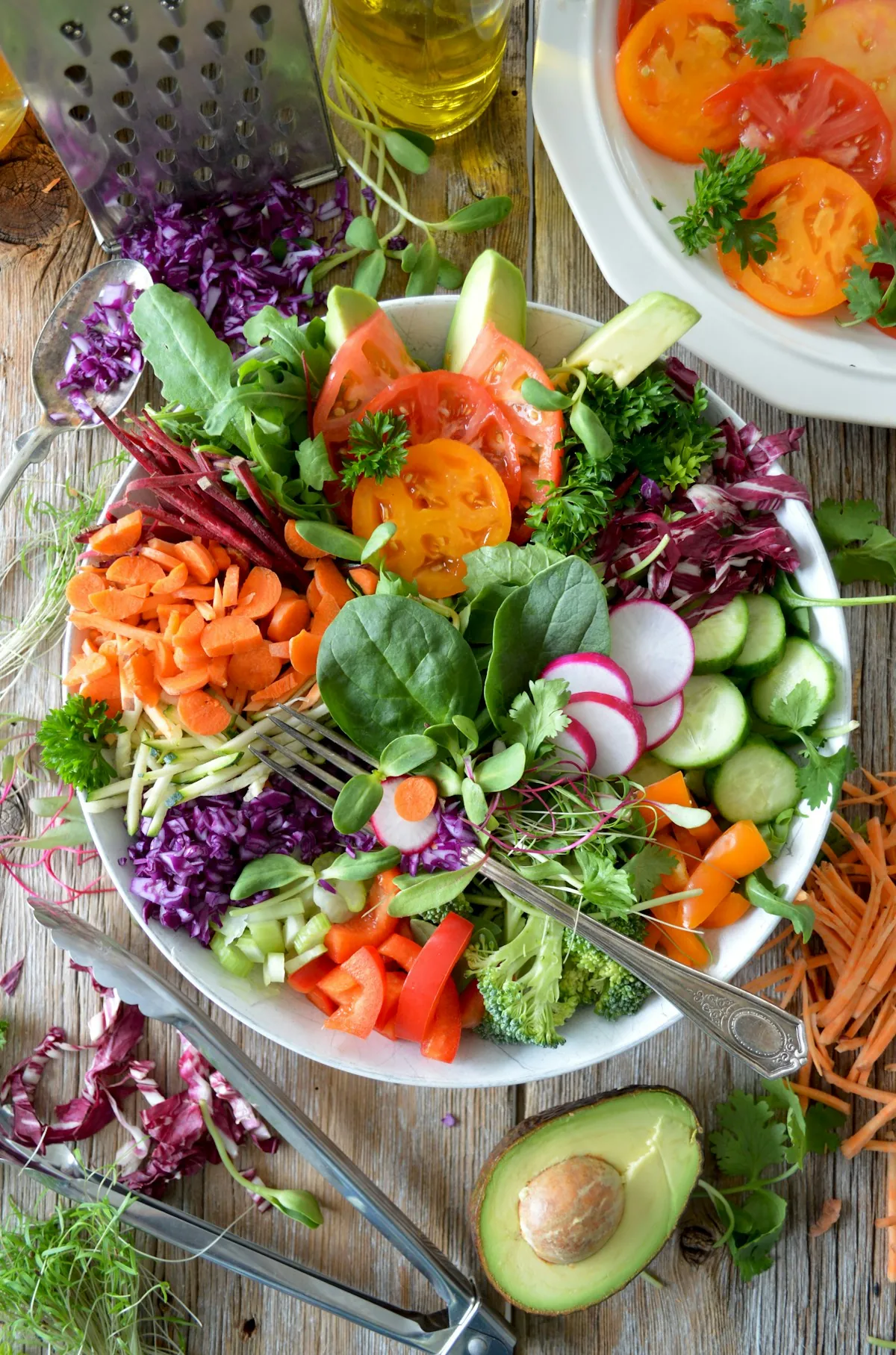
- Fill half the plate with vegetables and fruit.
- Add a protein: beans, lentils, tofu, tempeh, eggs or dairy if you eat them.
- Add a wholegrain: brown rice, oats, wholemeal bread or quinoa.
- Add a little healthy fat: nuts, seeds or olive oil.
- Add flavor with herbs, spices and lemon.
How to eat more plants, step by step
- Try one meatless day a week. Choose a bean chili or lentil curry.
- Swap part of the meat. Use half meat and half lentils in sauces.
- Add a vegetable to every meal. Frozen and canned count, as the NHS notes for 5 A DAY.
- Switch to wholegrains. Choose brown rice and wholemeal bread.
- Snack on fruit and nuts.
- Read labels. Check for added salt and sugar in plant-based products.
Make one change at a time, and keep the ones you enjoy. Our fiber-rich foods article has more ideas.
A worked example: one meatless day a week
Sam usually eats meat at most meals. Sam starts with one meatless dinner a week, a lentil and vegetable curry with brown rice.
After a month, Sam adds a bean chili and a vegetable stir-fry. Sam checks the NHS advice about iron and B12, and asks a pharmacist about supplements.
Sam eats more fiber, spends less on groceries and enjoys the variety.
A simple four-week plan
- Week 1: one meatless dinner.
- Week 2: add beans or lentils to two other meals.
- Week 3: switch to wholegrain bread or rice.
- Week 4: try a new plant-based recipe each week.
Adjust the plan to your fitness and health, and repeat a week if it feels like too much.
Common mistakes to avoid
- Relying on processed vegan foods. Choose mostly whole foods.
- Forgetting B12. The NHS says it is only found naturally in animal products.
- Not eating enough protein variety. Mix beans, lentils, tofu and grains.
- Ignoring iron and vitamin C. Add citrus or peppers to iron-rich meals.
- Going fully vegan overnight. Build up gradually.
A little planning goes a long way.
Myths worth dropping
Myth 1: You cannot get enough protein from plants
The NHS lists many plant protein sources, and advises eating a variety.
Myth 2: Vegan means healthy
Vegan junk food exists. The overall pattern matters.
Myth 3: You must be all or nothing
Eating more plants at any level is beneficial.
Questions to ask yourself
A few honest questions help you tailor these ideas to your own life.
- Which plant foods do I already enjoy?
- Which meals could I make meatless?
- Which nutrients should I check?
- Who could I cook with?
- Would a dietitian help me?
Adapting it to your situation
- If you are just starting out: begin with five to ten minutes, and build up slowly.
- If you have a health condition: ask your doctor what is safe, and which signs mean stop.
- If you live alone: tell someone your plan, and keep a phone within reach.
- If you care for someone else: use short bursts, and share activity with them if possible.
- If you have limited mobility: choose seated or supported versions of exercises.
The habit is the same for everyone. Only the setting and the pace change.
Track how it goes
A light record helps you see what works. It takes less than a minute.
- Tick a calendar on days you do the habit.
- Note your energy on a 1 to 5 scale.
- Write one line about what helped or got in the way.
- Review every two weeks and change one thing.
Keeping it going
- Pick a fixed time that suits your energy.
- Link it to something you already do.
- Use a calendar or diary to tick off each day.
- Do it with a friend or family member.
- Celebrate progress that is not about weight or speed.
- Restart the next day if you miss one.
Our article on how to build a habit that sticks has more ideas.
When to get support
These are everyday habits. Talk to your doctor if you have a health condition, persistent tiredness, symptoms that worry you or questions about your own needs.
A doctor, pharmacist, physiotherapist or dietitian can look at your situation and tailor advice.
This article is general education, not personal medical or dietary advice. Its reviewer, Meena Narayanan, holds a personal training credential, which is not a medical or dietetics credential. Talk to your doctor before you change your exercise or eating habits, especially if you have a health condition, take medicines, are pregnant or have not exercised for a long time.
Doing this on a budget
- Buy dried or canned beans and lentils.
- Use oats, rice and potatoes as your base.
- Buy frozen vegetables.
- Choose tofu and eggs for protein.
- Cook large batches and freeze portions.
The NHS says fresh, frozen, canned and dried fruit and vegetables all count toward your 5 A DAY, so frozen and canned options give good value and keep for longer.
Plan meals for the week and write a shopping list. Our guide to weekly meal planning helps you buy only what you need.
Eating out and social meals
- Look at the menu ahead, and choose a dish with visible vegetables.
- Add a side salad or extra vegetables.
- Ask for sauces on the side.
- Share a starter or dessert.
- Stop when you feel satisfied, as the NHS suggests.
- Do not skip meals to save room. The NHS says it can lead to more hunger-driven snacking.
One meal out will not change your health. Focus on your overall pattern across the week.
Supplements and planning
The NHS says you can get the nutrients you need from a varied and balanced vegan diet including fortified foods and supplements. Vitamin B12 is the most important one to plan for, since it is only found naturally in animal products.
Ask your doctor, pharmacist or a registered dietitian which supplements suit you, and get a check-up if you are planning a fully vegan diet, are pregnant or breastfeeding, or are feeding a child.
Recap: the main points
- A plant-based diet is rich in fiber, fruit and vegetables, but quality matters.
- The NHS says a healthy vegetarian diet is like any other without meat and fish.
- Vegans need to plan for B12, calcium, iron, omega-3, vitamin D, iodine and selenium.
- You can eat more plants without going fully vegan.
- Talk to a dietitian if you follow a restricted diet.
Plant-based diet: frequently asked questions
It can be, if it is varied and balanced. The NHS says you can get what you need from a varied vegan diet with fortified foods and supplements.
The NHS lists beans, pulses, eggs and other protein foods, such as lentils, tofu and Quorn, and advises eating a variety.
Often. The NHS says vitamin B12 is only found naturally in animal products, and suggests considering vitamin D, iodine and selenium supplements.
The NHS lists pulses, wholemeal products, fortified cereals and dark green vegetables, and says pairing them with vitamin C helps absorption.
No. Eating more plants, such as one meatless day a week, is a helpful step.
Talk to a dietitian if you follow a restricted diet, are pregnant or breastfeeding, or are feeding a child a vegan diet.
Want the full picture? Read our Healthy Eating Guide.
Related reading: What Essential Nutrients Prevent Common Diseases? Expert Nutrition Advice · Protein Needs by Activity Level
Sources and further reading
We checked the figures and guidance in this article against these sources. This article does not give personal medical advice.
- NHS: The vegetarian diet
- NHS: The vegan diet
- NHS: How to get more fibre into your diet
- NHS: Fat, the facts
- NHS: Eight tips for healthy eating
- NHS: Calcium
Want more? Head back to the Nutrition hub or read the Start Here guides.