What are essential nutrients?
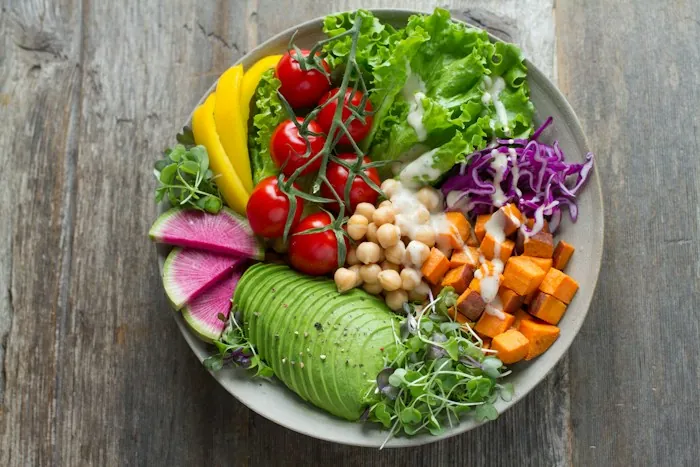
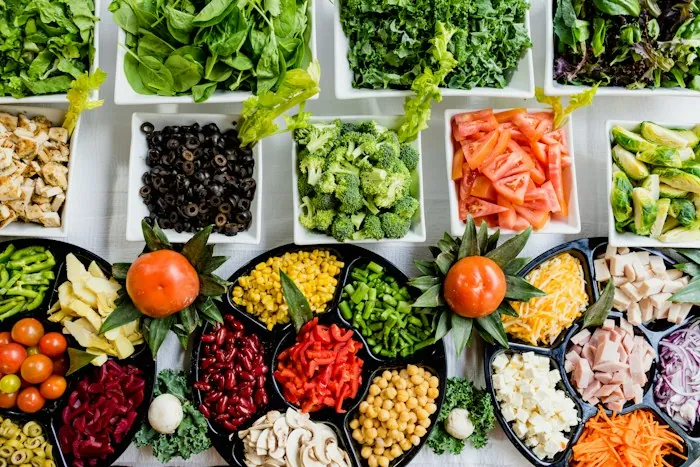
Essential nutrients are the substances your body needs but cannot make in large enough amounts. You have to get them from food. They include vitamins, minerals, fiber, water, certain fats and protein.
The NHS describes vitamins and minerals as nutrients your body needs in small amounts to work properly and stay healthy, and says most people can get what they need from a varied and balanced diet.
It is tempting to ask which nutrient prevents which disease. The honest answer is more complicated. Diseases like heart disease, type 2 diabetes and some cancers have many causes, including age, genes, smoking, activity and diet.
What we can say is that certain eating patterns are linked to a lower risk. This article explains the key nutrients and the evidence-based food habits behind them, with realistic expectations.
See the basics of carbs, protein and fatFiber
Fiber is found in plant foods such as wholegrains, beans, lentils, vegetables and fruit. The NHS says adequate fiber intake is associated with a lower risk of heart disease, stroke, type 2 diabetes and bowel cancer, and that it aids digestion and helps prevent constipation.
It says adults should aim for 30 g a day, and that most people average about 20 g.
- Choose wholegrain bread, pasta and rice.
- Eat potatoes with their skins.
- Add beans and lentils to meals.
- Snack on fruit, nuts and vegetable sticks.
Read more in our article on fiber-rich foods.
Calcium and vitamin D
These two nutrients support your bones. The NHS says adults need 700 mg of calcium a day and 10 micrograms of vitamin D a day, and recommends weight-bearing and muscle-strengthening exercise, not smoking and limiting alcohol to help prevent osteoporosis.
Calcium comes from dairy, green leafy vegetables, fortified foods and fish with edible bones. Vitamin D comes from sunlight, oily fish, egg yolks and fortified foods, and a supplement may help in some cases.
Read more in 8 foods high in calcium and bone health: food and exercise habits.
Want a simple plan for nutrient-rich meals?
The Healthy Eating Guide shows how to build balanced meals that cover the basics.
Unsaturated fats and omega-3
The NHS says eating too much saturated fat can raise bad LDL cholesterol, and replacing saturated fats with some unsaturated fats can help lower cholesterol. It suggests at least 2 portions of fish a week, with 1 being oily fish, for omega-3.
Its saturated fat limits are 30 g a day for men and 20 g a day for women.
See our article on the top 5 healthy fats.
Potassium and magnesium
Potassium supports heart health, according to MedlinePlus, and magnesium supports more than 300 reactions in the body, including nerve and muscle function and a steady heartbeat.
The NHS says adults need about 3,500 mg of potassium a day, and about 300 mg (men) or 270 mg (women) of magnesium. Both come from vegetables, fruit, beans, nuts and whole grains.
Read more in 5 potassium-packed foods and 10 magnesium-rich foods.
Fruit, vegetables and salt
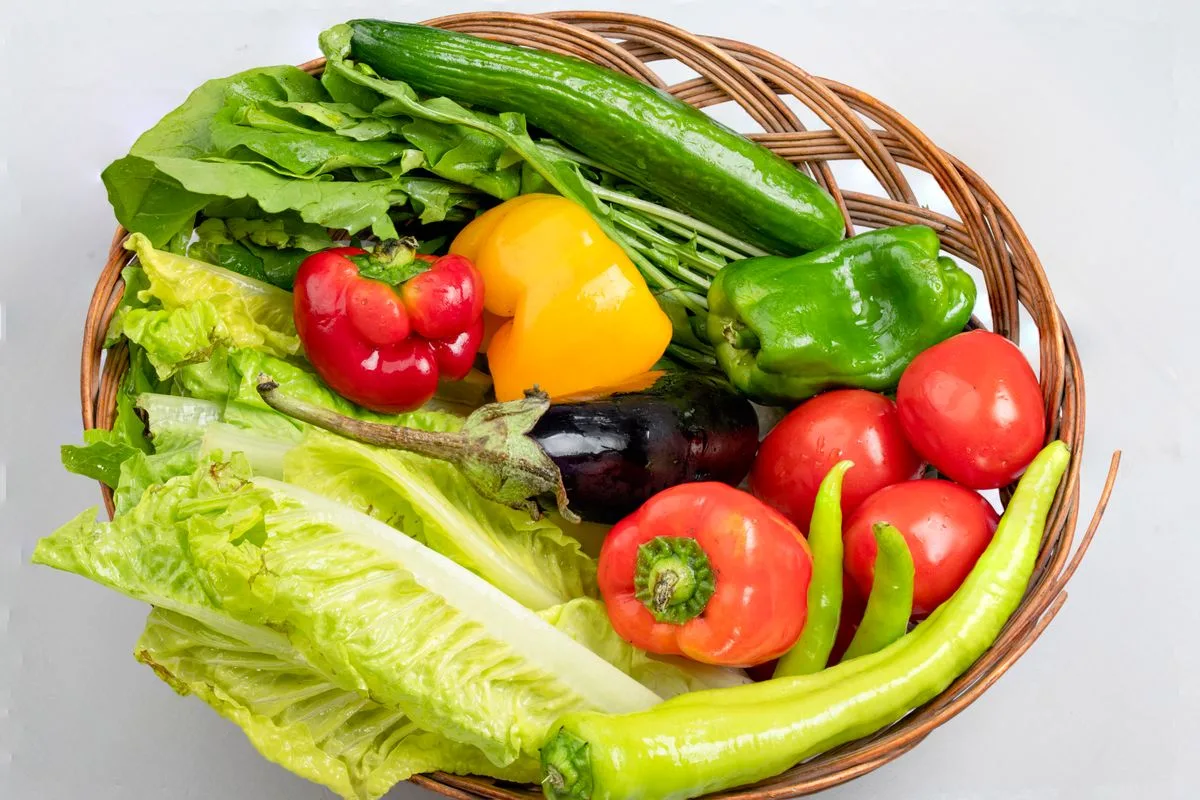
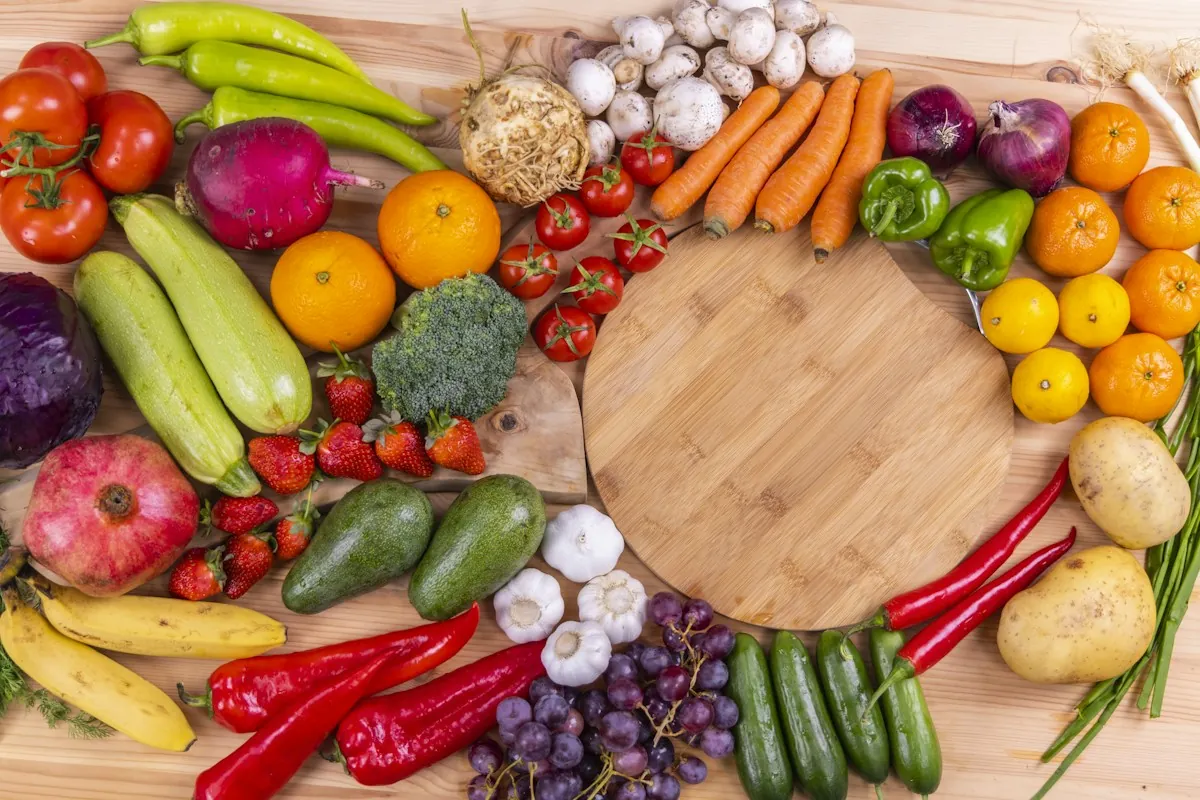
Fruit and vegetables bring fiber, vitamins, minerals and other plant compounds. The NHS suggests at least 5 portions a day, where a portion is 80 g of fresh, canned or frozen fruit and vegetables, or 30 g of dried fruit.
The NHS also advises adults to have no more than 6 g of salt a day, because too much salt can raise blood pressure.
- Fill half your plate with vegetables and fruit.
- Use herbs, spices, garlic and lemon instead of extra salt.
- Read labels, and choose products with more green than amber or red.
- Limit processed meats, which can be high in salt.
Our article on how to read a nutrition label helps you check salt.
Red and processed meat
The NHS says eating a lot of red and processed meat probably increases the risk of bowel cancer. If you eat more than 90 g a day, it suggests cutting down to 70 g a day on average.
Balance meat with fish, beans, lentils, eggs and other protein foods.
Do you need supplements?
Most people can meet their needs from food. The NHS says that some people may benefit from supplements, and advises checking the details for each nutrient.
Some groups are more likely to need advice, including pregnant women, older adults, people with restricted diets and people with certain health conditions. Supplements can also interact with medicines and cause harm in high doses. For example, the NHS says taking more than 1,500 mg of calcium a day could lead to stomach pain and diarrhea.
- Ask your doctor or pharmacist before starting a supplement.
- Count what you already get from food.
- Do not exceed the dose on the label.
- Be wary of products that promise to prevent or cure disease.
This article is general education, not personal dietary or medical advice. Its reviewer, Meena Narayanan, holds a personal training credential, which is not a dietetics or medical credential. Talk to your doctor or a registered dietitian before you change your diet or take supplements, especially if you have a health condition, take medicines, are pregnant or are older.
A simple seven-day plan
Add one small change each day, and keep the earlier ones going. By the end of the week you will have several new habits.
- Day 1: add fruit or vegetables to every meal.
- Day 2: swap one refined grain for a wholegrain.
- Day 3: eat beans or lentils.
- Day 4: have oily fish, or another source of omega-3.
- Day 5: check the salt on two food labels.
- Day 6: add a calcium-rich food, such as yogurt or leafy greens.
- Day 7: take a brisk walk and review the week.
You do not need to follow this plan exactly. Use it as a guide and swap foods for ones you enjoy, can afford and can get locally.
Aim for progress, not perfection. If a day goes off plan, start again the next day.
Common mistakes to avoid
- Chasing single "superfoods". Variety matters more.
- Relying on supplements. Food gives you a wide mix of nutrients.
- Ignoring salt and processed food. They add up quickly.
- Believing health claims. Be careful with products that promise to prevent or cure disease.
- Forgetting movement and sleep. Nutrition is one part of health.
A steady, balanced pattern beats an extreme plan every time.
Needs at different life stages
Nutrient needs change through life. This article gives general information for healthy adults. Other groups may need specific advice.
- Children and teenagers: the NHS gives different fiber targets by age, for example 15 g for 2 to 5 year olds and 25 g for 11 to 16 year olds. Calcium needs are also higher for teens.
- Pregnancy and breastfeeding: talk to your midwife, doctor or dietitian about supplements and foods to avoid.
- Older adults: needs for calcium and vitamin D may be higher, and the NHS says older people should not take potassium supplements unless a doctor advises it.
- People with restricted diets: vegetarians, vegans and those with allergies may need help to cover some nutrients.
A registered dietitian can look at your diet and suggest a plan that fits your life.
Getting nutrients when you are busy or eating out
- Order dishes with visible vegetables and a protein food.
- Choose wholegrain options when they are available.
- Add a side salad, or fruit for dessert.
- Keep healthy snacks, such as fruit, nuts and yogurt, in your bag.
- Use frozen and canned vegetables for quick meals.
- Plan simple meals for the week ahead.
Do not aim for perfection at every meal. Look at your pattern over a week. If most of your meals include vegetables, protein and whole grains, you are doing well.
Our guide on weekly meal planning makes this easier.
Myths about nutrients and disease
Myth 1: A single supplement can protect you
The NCCIH warns that many claims for weight loss supplements are exaggerated and lack scientific support, and the same caution applies to any product that promises to prevent disease. Food gives you a wide range of nutrients that work together.
Myth 2: Natural means safe
Natural products can still cause harm in high doses or interact with medicines. Talk to your doctor before using any.
Myth 3: You can out-supplement a poor diet
Supplements do not replace fruit, vegetables, fiber and balanced meals.
Realistic expectations
Eating well lowers your risk of some problems, but it does not guarantee that you will avoid them. Many risk factors are outside your control, such as genes and age.
It also works best with other habits. Regular activity, good sleep, not smoking and limiting alcohol all matter. The NHS recommends adults get at least 150 minutes of moderate activity a week.
- Focus on your overall pattern, not single foods.
- Make changes that you can keep for years.
- Get regular check-ups and screening tests your doctor recommends.
- Tell your doctor about any family history of disease.
If you are worried about a specific condition, or you have symptoms, see your doctor. This article is not a substitute for medical advice.
Recap: the main points
- No single nutrient prevents disease, but a balanced, varied diet lowers risk.
- Fiber, calcium, vitamin D, unsaturated fats, potassium and magnesium are all important.
- Eat at least 5 portions of fruit and vegetables a day, and limit salt and processed meat.
- Most people do not need supplements, and high doses can cause harm.
- Talk to your doctor about your own risks and needs.
Essential nutrients: frequently asked questions
No single nutrient prevents disease. A balanced diet is linked to a lower risk of problems such as heart disease and type 2 diabetes, but many other factors matter.
There is no single most important nutrient. Fiber, calcium, vitamin D, unsaturated fats, potassium and magnesium all play a role, and a varied diet covers them.
The NHS says adults should aim for 30 g a day, though most people average about 20 g.
The NHS says most people can get what they need from a balanced diet. Talk to your doctor before taking supplements.
The NHS suggests at least 5 portions a day. A portion is 80 g of fresh, canned or frozen fruit or vegetables.
The NHS advises adults to have no more than 6 g of salt a day.
Want the full picture? Read our Healthy Eating Guide.
Related reading: Protein Needs by Activity Level
Sources and further reading
We checked the figures and guidance in this article against these sources. This article does not give personal medical advice.
- NHS: Vitamins and minerals
- NHS: How to get more fibre into your diet
- NHS: Calcium
- NHS: Osteoporosis prevention
- NHS: Fat, the facts
- NHS: Other vitamins and minerals (magnesium, potassium and more)
- NHS: Eight tips for healthy eating
- NHS: Meat in your diet
- MedlinePlus: Potassium in diet
- MedlinePlus: Magnesium in diet
Want more? Head back to the Nutrition hub or read the Start Here guides.