Why potassium matters
Potassium is a mineral that every cell in your body uses. MedlinePlus says it supports heart health and helps control acid-base balance and the breakdown of carbohydrates.
You get it mainly from plant foods, which is one reason vegetables, fruit, beans and nuts are so often recommended.
Many people do not reach the recommended amount, especially if they eat few vegetables and lots of processed food. Small changes can help, without any need for supplements.
Potassium is also closely linked to salt, or sodium, in the diet. The NHS advises adults to have no more than 6 g of salt a day. Eating more vegetables and fewer salty processed foods helps on both sides.
Learn to check salt on food labelsHow much potassium do you need?
The NHS says adults aged 19 to 64 need 3,500 mg of potassium a day. MedlinePlus lists 2,600 mg a day for women and 3,400 mg a day for men, in line with US guidance.
- UK (NHS): 3,500 mg a day.
- US (MedlinePlus): 2,600 mg (women) and 3,400 mg (men).
You do not need to count milligrams. Eating vegetables and fruit at most meals, and adding beans and nuts through the week, usually gets you there.
The NHS says taking too much potassium can cause stomach pain, feeling sick and diarrhea.
Want a plate that includes these foods?
The Healthy Eating Guide shows how to put vegetables, protein and whole grains together at every meal.
Food 1: Bananas and other fruit
The NHS lists bananas as a potassium source. MedlinePlus also lists citrus fruits, cantaloupe, kiwi, prunes and apricots, and notes that dried apricots contain more potassium than fresh ones.
- Slice a banana onto oatmeal.
- Snack on a kiwi or an orange.
- Add a few prunes or apricots to yogurt.
- Keep fruit visible in a bowl at home.
Dried fruit is high in sugar, so keep portions small.
Food 2: Beans, lentils and pulses
The NHS lists beans and pulses among potassium-rich foods. MedlinePlus lists beans and lentils as vegetable sources too.
- Add canned beans to soups and salads.
- Cook lentils in curries and stews.
- Mash beans on toast for a quick meal.
- Make a bean chili with tomatoes.
They are also good for fiber and protein. See our article on fiber-rich foods for more.
Food 3: Vegetables such as broccoli, parsnips, sprouts and potatoes
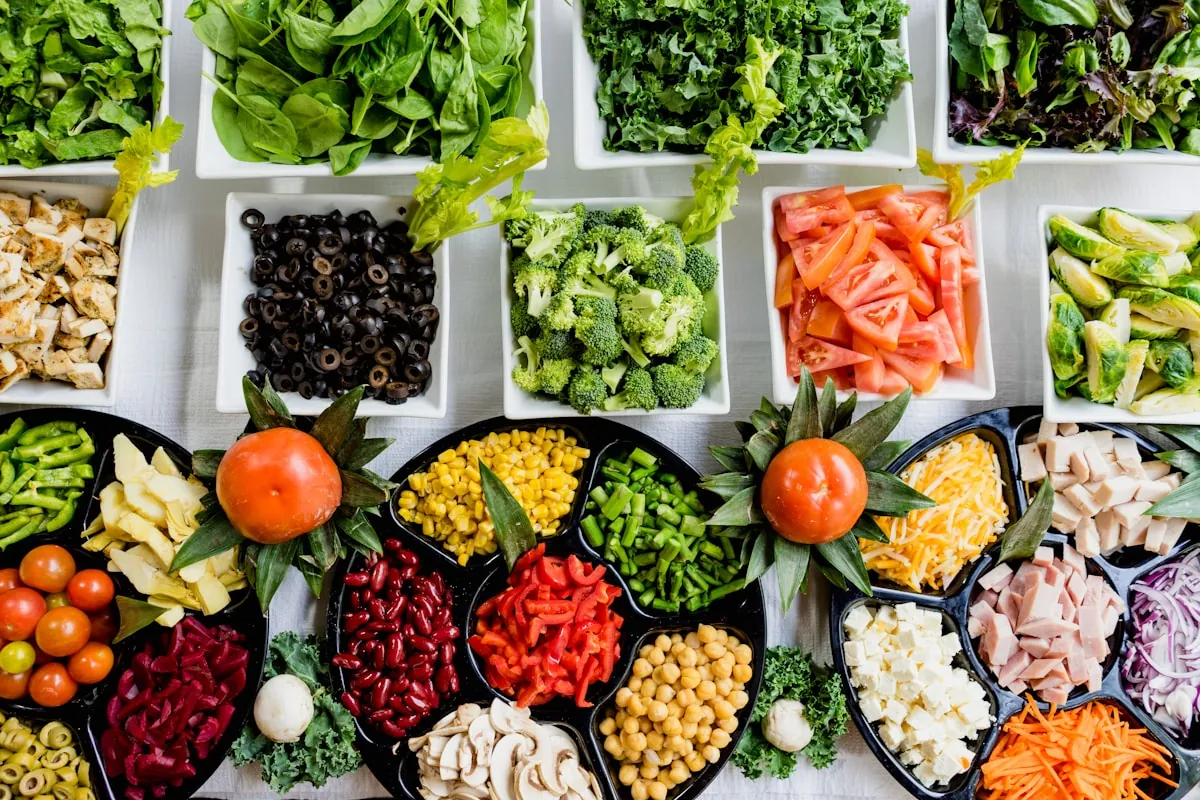
The NHS lists vegetables such as broccoli, parsnips and Brussels sprouts. MedlinePlus lists tomatoes, potatoes, particularly with the skin, sweet potatoes and winter squash.
- Bake potatoes and sweet potatoes, and eat the skin.
- Roast broccoli, parsnips or Brussels sprouts.
- Add tomatoes to salads and sauces.
- Include a vegetable at every meal.
Cooking method matters for salt. Use herbs, spices and lemon, not extra salt.
Food 4: Nuts and seeds
The NHS lists nuts and seeds, and MedlinePlus lists nuts as sources. They are also high in calories, so a small handful is enough.
- Sprinkle seeds on salads and oatmeal.
- Choose unsalted nuts for snacks.
- Add nuts to stir-fries and grain bowls.
Food 5: Fish, poultry and dairy
The NHS lists fish, beef, chicken and turkey, and MedlinePlus lists milk, yogurt, meats and fish. The NHS suggests at least 2 portions of fish a week, with 1 being oily fish.
- Bake or grill fish with vegetables.
- Choose lean cuts of poultry without skin.
- Add plain yogurt or milk to meals, if you eat dairy.
If you eat red or processed meat, the NHS suggests that people eating more than 90 g a day cut down to 70 g a day on average.
Who should be careful with potassium
For most people, potassium from food is safe. But some groups need to be careful.
- People with kidney problems. MedlinePlus says they should avoid excess potassium.
- People taking certain medicines. MedlinePlus says ACE inhibitors and angiotensin II receptor blockers can lead to a dangerous build-up of potassium.
- Older people. The NHS says their kidneys may be less able to remove potassium, and they should not take potassium supplements unless advised by a doctor.
Do not use potassium-based salt substitutes or supplements without asking your doctor if you fall into these groups.
This article is general education, not personal dietary or medical advice. Its reviewer, Meena Narayanan, holds a personal training credential, which is not a dietetics or medical credential. Talk to your doctor or a registered dietitian before you change your diet or take supplements, especially if you have a health condition, take medicines, are pregnant or are older.
Eating these foods on a budget
You do not need expensive products to get potassium. Everyday foods do the job, and many are cheap.
The NHS says fresh, frozen, canned and dried fruit and vegetables all count toward your 5 A DAY, so frozen and canned options are good value and keep for longer.
- Buy potatoes, sweet potatoes, carrots and cabbage in season.
- Buy canned or dried beans and lentils.
- Choose frozen broccoli, spinach and mixed vegetables.
- Buy bananas and other fruit in season.
- Buy canned fish, such as sardines or salmon.
Plan your meals for the week and write a shopping list. Our guide on weekly meal planning shows how, and it also cuts food waste.
Read labels on canned foods for added salt or sugar, and rinse canned beans and vegetables where suitable.
Cooking tips that keep potassium and cut salt
Potassium dissolves into cooking water, so how you cook vegetables matters a little. These simple habits help.
- Steam, roast or microwave vegetables, instead of boiling them for a long time in lots of water.
- If you boil vegetables, use the cooking water in soups or sauces.
- Cook potatoes with the skin on, and eat the skin, as MedlinePlus notes potatoes with skin are a source.
- Season with herbs, spices, garlic and lemon, and keep added salt low. The NHS advises no more than 6 g of salt a day.
- Choose canned vegetables and beans with no added salt when you can, or rinse them.
Small choices at every meal add up more than any single food.
A simple seven-day plan
Add one small change each day, and keep the earlier ones going. By the end of the week you will have several new habits.
- Day 1: add a banana to breakfast.
- Day 2: add beans or lentils to lunch.
- Day 3: bake a potato with the skin on for dinner.
- Day 4: add broccoli or another green vegetable to two meals.
- Day 5: snack on unsalted nuts and an orange.
- Day 6: have fish for dinner.
- Day 7: review your week, and check your salt intake on labels.
You do not need to follow this plan exactly. Use it as a guide and swap foods for ones you enjoy, can afford and can get locally.
Aim for progress, not perfection. If a day goes off plan, start again the next day.
Common mistakes to avoid
- Relying on supplements or salt substitutes. Some contain potassium and are not right for everyone.
- Ignoring your medicines. MedlinePlus says ACE inhibitors and angiotensin II receptor blockers can raise potassium levels.
- Boiling all the potassium away. Steam or roast instead.
- Eating lots of salty processed food. The NHS advises no more than 6 g of salt a day.
- Skipping vegetables. They are the backbone of a potassium-rich diet.
If you have kidney problems, high blood pressure or take regular medicines, ask your doctor how much potassium is right for you before you change your diet or take any supplements.
A potassium-friendly shopping list
- Fruit: bananas, oranges, kiwi, apricots.
- Vegetables: potatoes, sweet potatoes, broccoli, tomatoes, parsnips, Brussels sprouts.
- Legumes: lentils, kidney beans, chickpeas.
- Nuts and seeds: unsalted almonds and seeds.
- Protein: fish, chicken, turkey, yogurt or milk.
Choose low-salt versions of canned foods, sauces and stocks. Our guide on how to read a nutrition label shows how to compare salt across products.
Potassium myths
Myth 1: Only bananas have potassium
Bananas are a good source, but they are not the only one. Beans, potatoes, vegetables, nuts and fish all contribute, and many contain as much or more.
Myth 2: More is always better
The NHS says too much potassium can cause stomach pain, nausea and diarrhea, and it can be harmful for people with kidney problems. Food is usually the safest source.
Myth 3: A supplement is a shortcut
A supplement is not a replacement for a varied diet. The NHS says older people should not take potassium supplements unless advised by a doctor.
A sample day with potassium-rich foods
- Breakfast: oatmeal with banana and seeds.
- Lunch: a bean and vegetable soup with wholemeal bread.
- Snack: an orange and a few unsalted nuts.
- Dinner: baked fish with a baked potato and broccoli.
Combine this with a balanced plate. See our guide on how to build a balanced plate.
Recap: the main points
- The NHS says adults need 3,500 mg of potassium a day, and US guidance lists 2,600 to 3,400 mg.
- Good sources include bananas, beans and pulses, vegetables, nuts and seeds, and fish.
- Eating more vegetables and fewer salty processed foods helps.
- People with kidney problems, older people and those taking certain medicines should be careful.
- Talk to your doctor before taking potassium supplements.
Potassium-rich foods: frequently asked questions
Bananas, beans and pulses, vegetables such as broccoli, parsnips, Brussels sprouts, tomatoes and potatoes, nuts and seeds, fish and meats.
The NHS says adults aged 19 to 64 need 3,500 mg a day. US guidance lists 2,600 mg for women and 3,400 mg for men.
MedlinePlus says potassium supports heart health. A diet rich in vegetables, fruit, beans and nuts, and low in salt, supports overall heart health too.
Too much can cause stomach pain, nausea and diarrhea, according to the NHS. It can be dangerous for people with kidney problems or on certain medicines.
Most people do not need one. The NHS says older people should not take potassium supplements unless advised by a doctor.
The NHS advises no more than 6 g of salt a day for adults.
Want the full picture? Read our Healthy Eating Guide.
Sources and further reading
We checked the figures and guidance in this article against these sources. This article does not give personal medical advice.
- NHS: Other vitamins and minerals (magnesium, potassium and more)
- MedlinePlus: Potassium in diet
- NHS: Eight tips for healthy eating
- NHS: Meat in your diet
Want more? Head back to the Nutrition hub or read the Start Here guides.