
Sustainable Weight Loss
Slow, steady approaches that protect your health and are easier to maintain.
Build a plan that lastsWeight management means building daily habits around food, movement and rest that you can keep for the long term. This hub covers sustainable weight loss, calorie awareness, hunger, exercise and maintenance.
We focus on health and habits, not quick fixes or body shaming.
 Steady habits. Real progress.
Quick fixes rarely last, and strict rules are hard to follow for long.
We focus on small habits that fit your life, and on what the research really supports.
Each topic opens the matching articles below, so you can go straight to what you need.
Slow, steady approaches that protect your health and are easier to maintain.
Build a plan that lastsWhat calories are, when tracking helps, and when it is not worth the stress.
Understand the numbersWhy you feel hungry, what fullness feels like and how to eat with more calm.
Read your hunger cuesHow movement supports weight management, and what to expect from it.
Match movement to your goalHow to keep your progress once you have reached a weight that feels right.
Keep your progress goingPopular claims about detoxes, fat burning and quick results, checked against the evidence.
Sort fact from fictionOur Weight Management Guide gives you a realistic framework for food, movement and habits.
It links out to the detailed article behind every chapter.

A realistic, step-by-step framework for building habits that support a healthy weight, without crash diets.
Open the weight management frameworkShowing 15 articles
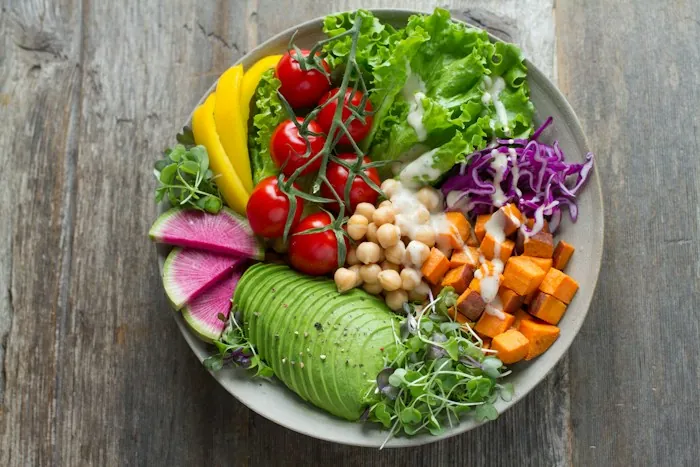
The habit-based approach that holds up long after a restrictive diet would have already been abandoned.
Learn the habit-based approach
What to track instead of the number on the scale, and why weight alone can be a misleading signal.
See what to track instead
When tracking helps, when it backfires and simple alternatives that build awareness.
Decide if counting suits you
Seven simple first steps, from drink swaps to gentle movement, with NHS and NIDDK guidance.
Take your first seven steps
Turn a wish into a plan with SMART goals, a realistic pace and a monthly review.
Set goals you can reach
How to keep a simple food diary, spot patterns and act on them without stress.
Start a simple food diary
What a safe pace looks like, why crash diets backfire and the red flags to avoid.
Learn the safe way to go faster
No food burns fat, but some make a steady pace easier. See what to put on your plate.
See the foods that fill you up
What the evidence says about supplements and fasting, and the red flags to avoid.
Check the claim before you buy
A five-step weekly system with a sample week and shopping list.
Plan your week of meals
What shapes metabolism and five habits that support it.
Support your metabolism naturally
How muscle supports weight loss, with a simple home routine.
Start a beginner strength routine
How poor sleep drives hunger and what to do about it.
See how sleep shapes appetite
A 10, 20 or 30 minute routine to set up a healthier day.
Build your morning routine
A ten-step, safe roadmap with links to every part of the plan.
Follow the full roadmapWeight advice is full of hype, so we show our process instead of asking you to trust us.
By a writer who researches the topic in depth and cites where each claim comes from.
By Meena Narayanan, CPT, our site-wide reviewer, before anything goes live.
Health numbers and claims are checked against the original guideline or study, not a second-hand summary.
Articles are revisited as research changes, with a visible last-updated date on every page.
Our weight management content is educational and is not individual medical or dietary advice. Please talk to a doctor or registered dietitian before making big changes, especially if you have a health condition, are pregnant or have a history of disordered eating. Read our editorial process.
Short, direct answers you can use right away, with the full detail in the linked articles.
For most people it is a mix of nutritious food, regular movement, enough sleep and habits that feel realistic. Slow, steady changes are easier to keep than strict rules.
Many health authorities suggest about 0.5 to 1 kilogram (1 to 2 pounds) a week for people who need to lose weight. Your own pace depends on your health, so ask a doctor for advice that fits you.
Not always. Some people find tracking helpful for a short time, while others do better with portion awareness and balanced meals. Choose the method you can keep up without stress.
Hunger, habits and daily life all pull against long-term change. Steady routines, support and realistic goals make maintenance easier.
Exercise brings many health benefits, but on its own it often changes weight only a little. It works best alongside balanced eating, good sleep and consistent habits.
No. Our content is educational and reviewed by Meena Narayanan, CPT. For advice on your own health, a doctor or registered dietitian can build a plan that suits you.
Get seven small, realistic changes in your inbox, starting with the one habit you can keep.

Wellness guide · Replies instantly
General wellness information, not medical advice. Read our disclaimer