
Healthy Eating
The basics of a balanced plate, portion sense and reading food labels without the confusion.
Build a plate that worksNutrition is how the food you eat gives your body energy and the nutrients it needs. This hub covers healthy eating, meal planning, gut health, protein, vitamins and hydration.
Every article is written in plain language and reviewed before it goes live.
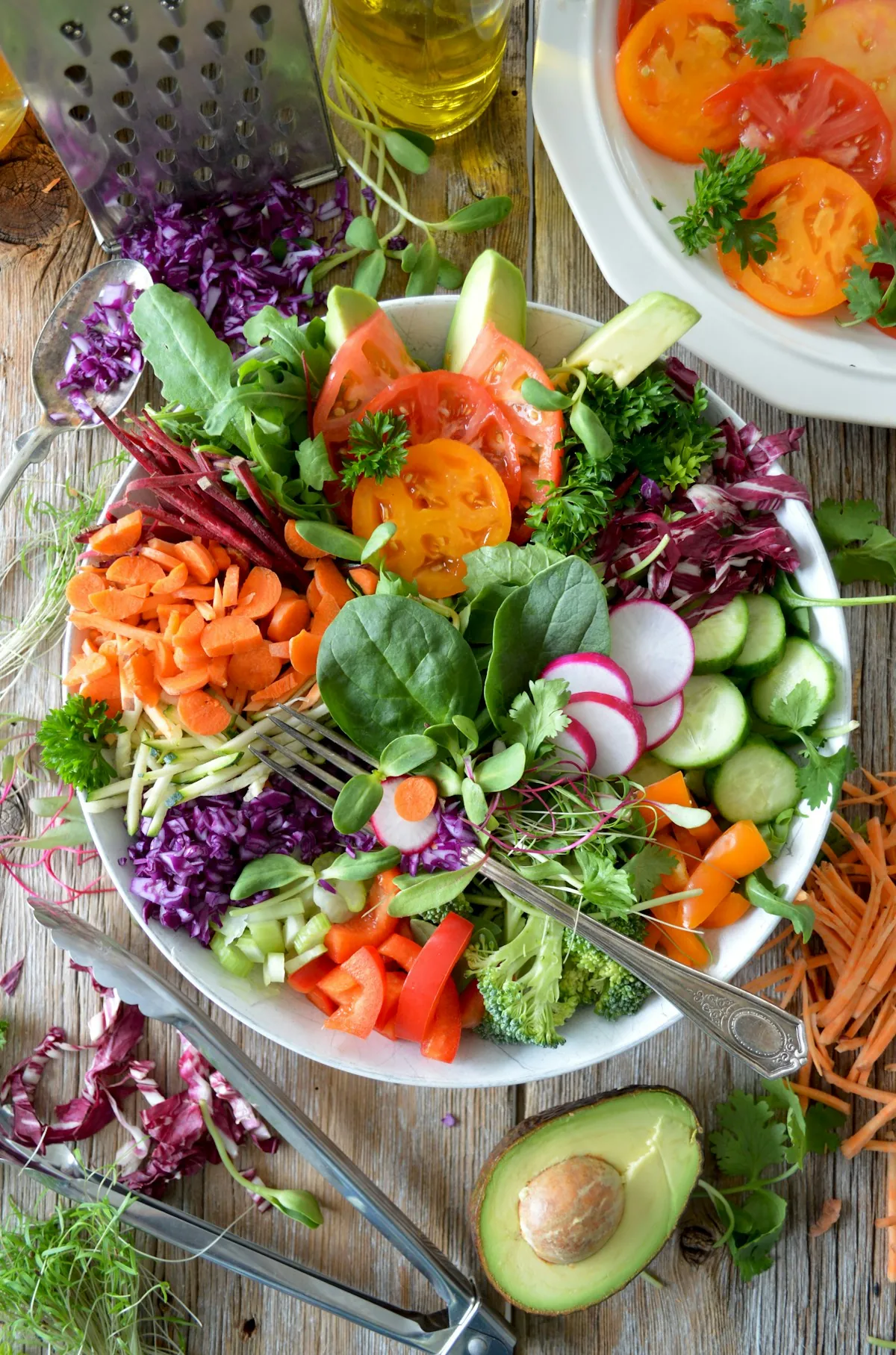 Real food. Simple rules. Steady habits.
Good nutrition does not need a strict plan or a long list of banned foods.
We focus on the everyday choices that add up, and we explain the research behind each one.
Each topic opens the matching articles below, so you can go straight to what you need.
The basics of a balanced plate, portion sense and reading food labels without the confusion.
Build a plate that worksSimple routines for shopping, prepping and cooking so healthy meals happen on busy days too.
Plan the week aheadHow fiber, fermented foods and everyday habits affect digestion, and what the research really supports.
Look after your digestionHow much you need, where to find it, and how animal and plant sources compare.
Find your protein numberWhat each nutrient does, which foods supply it, and when a supplement is worth a conversation with your doctor.
Check what you really needPractical answers on how much fluid you need and easy ways to drink enough through the day.
Drink smarter all dayOur Healthy Eating Guide pulls the essentials into one complete, step-by-step read.
It links out to the detailed article behind every chapter.
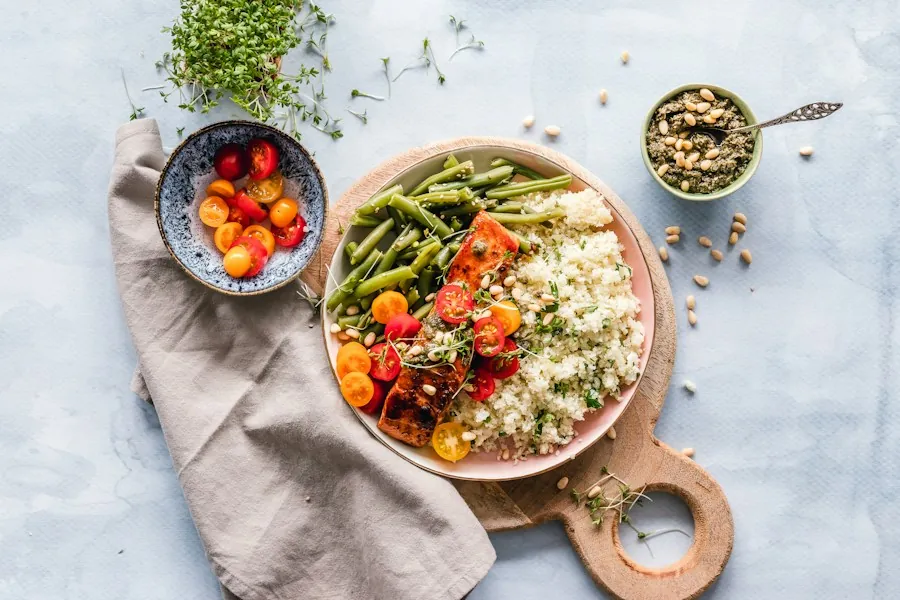
A complete starting point for eating well, from building a balanced plate to shopping and cooking on a real schedule.
Open the complete eating guideShowing 15 articles
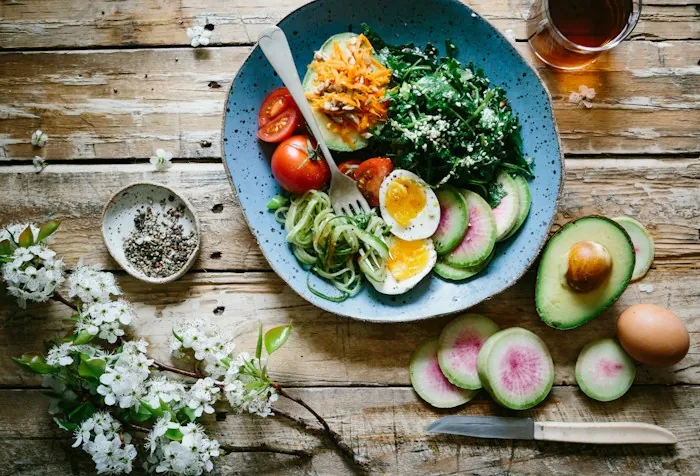
The foods that make your daily fiber target easier to reach, and why most people fall short.
Stock up on fiber-rich foods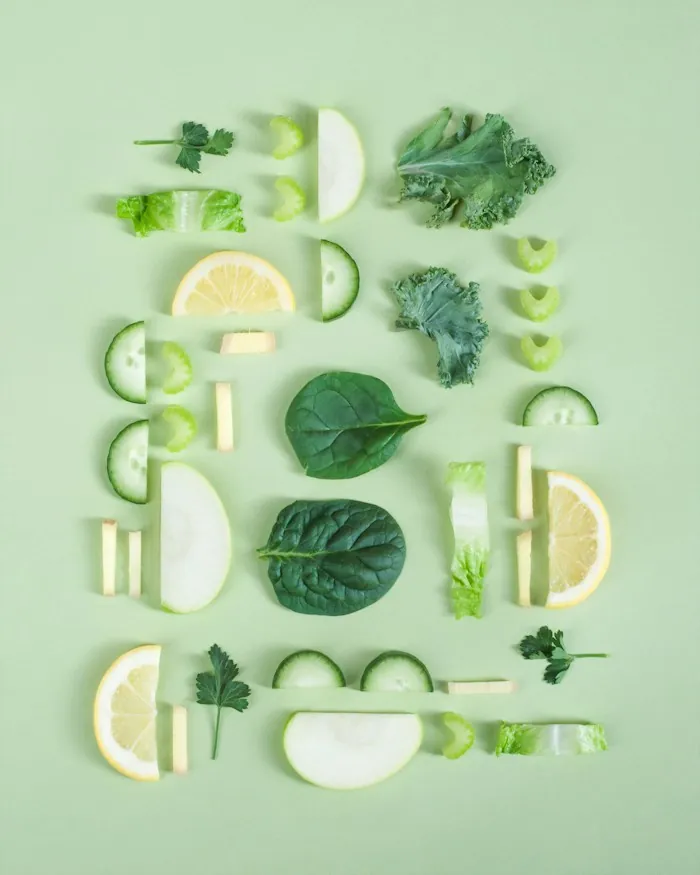
Dairy and non-dairy calcium sources, with NHS and US amounts.
Find more calcium-rich foods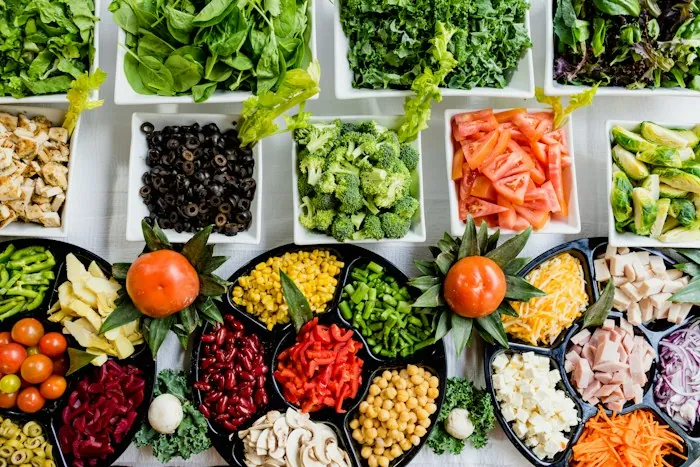
Everyday foods that add magnesium, and when to be careful with supplements.
Add magnesium-rich foods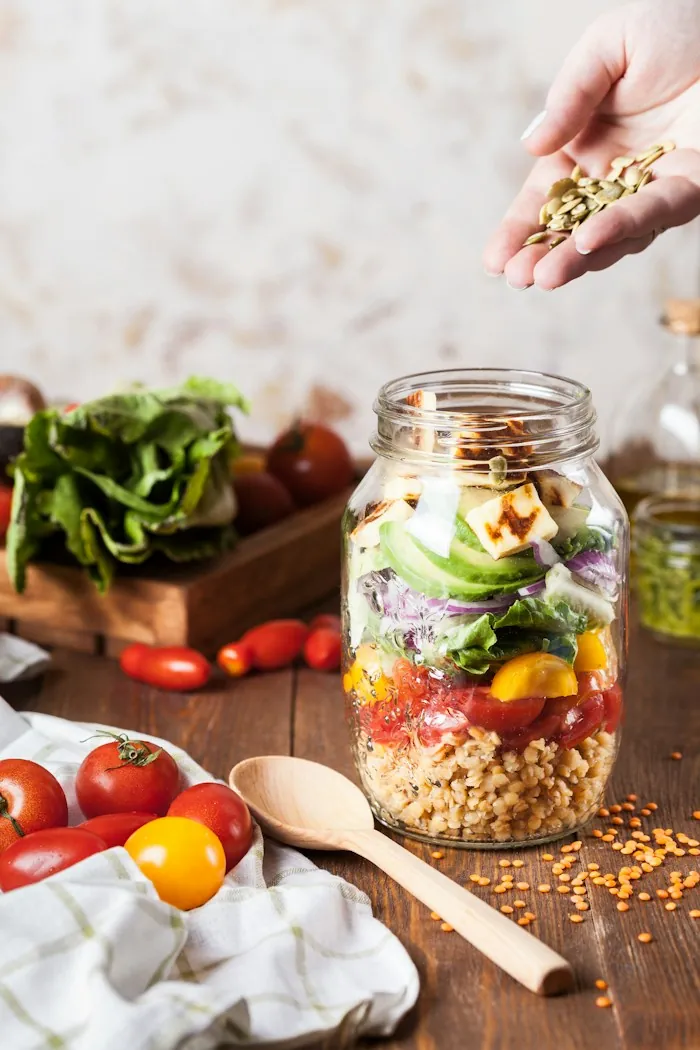
A simple one-hour routine for planning, shopping and prepping meals you will actually eat.
Take the stress out of dinner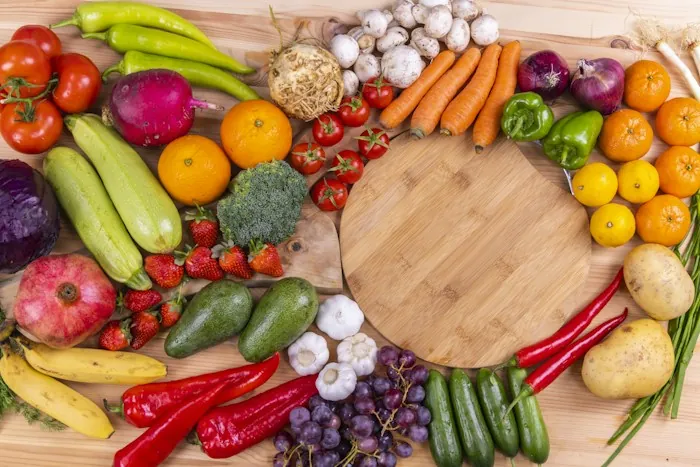
Five potassium sources, and who needs to be careful.
Explore potassium-rich foods
A realistic daily range, what counts toward it, and signs that you may need more.
Set a realistic water target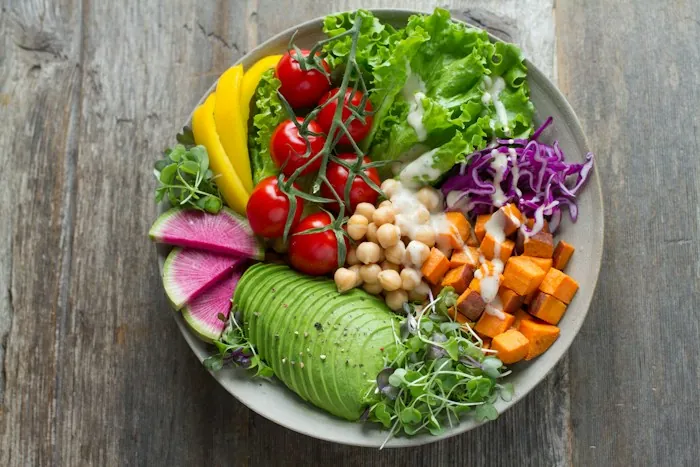
A simple visual method for mixing vegetables, protein and whole grains at every meal.
Fill your plate with confidence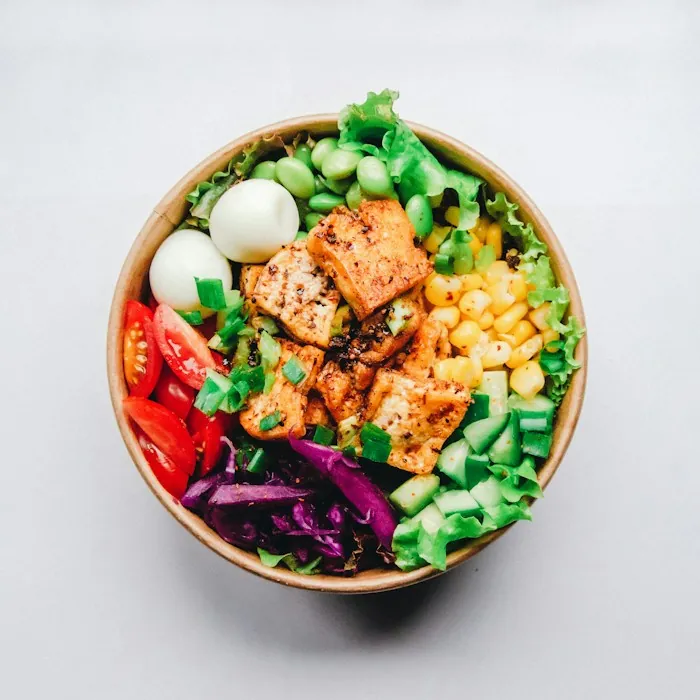
Carbs, protein and fat explained in plain English.
Understand carbs, protein and fat
What serving size, added sugar and the ingredient list actually tell you, in five quick checks.
Learn to read the fine print
Five healthy fat sources and simple swaps.
Add healthy fats
Which nutrients matter most, and what food can and cannot do.
See the essential nutrients
Ten everyday foods worth eating more often.
Stock the top 10 foods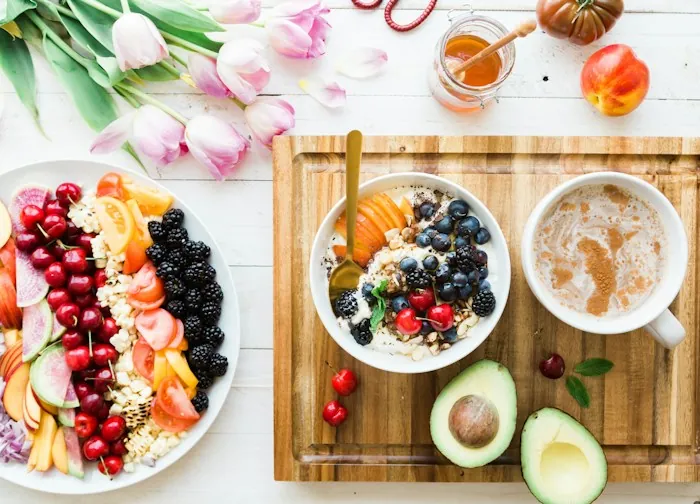
Five snacks, plus how to manage cravings.
Pick a better snack
How to eat more plants, and which nutrients to watch.
Eat more plantsFood claims spread fast online, so we show our process instead of asking you to trust us.
By a writer who researches the topic in depth and cites where each food fact comes from.
By Meena Narayanan, CPT, our site-wide reviewer, before anything goes live.
Nutrient numbers are checked against the original guideline or study, not a second-hand summary.
Articles are revisited as nutrition science changes, with a visible last-updated date on every page.
Our nutrition content is educational and is not individual dietary advice. For a medical condition, allergy or special diet, please see a registered dietitian or doctor. Read our editorial process.
Short, direct answers you can use right away, with the full detail in the linked articles.
A balanced diet mixes vegetables, fruit, whole grains, protein foods and healthy fats in amounts that suit your age, activity level and health. For most people, no single food group needs to be cut out to eat well.
The standard recommendation for most healthy adults is about 0.8 grams of protein per kilogram of body weight per day. Very active people and older adults are often advised to eat more, so the right number depends on your activity, age and health.
Most adults are advised to aim for roughly 25 to 38 grams of fiber a day, depending on age and sex. Beans, lentils, oats, vegetables, fruit and whole grains are the easiest everyday sources.
US National Academies guidance puts total daily water intake at about 2.7 liters for women and 3.7 liters for men. That total includes water from all drinks and from food, so you do not need to drink all of it as plain water.
Most healthy people can meet their needs with a varied diet. Some groups, such as people who eat no animal products or who are pregnant, may need specific supplements, so talk to a doctor or registered dietitian before you start one.
No. Our nutrition content is educational and evidence-informed, and every article is reviewed by Meena Narayanan, CPT. If you have a medical condition, food allergy or specific health goal, a registered dietitian or doctor can give advice built for you.
Get seven small, realistic changes in your inbox, starting with the food on your plate.

Wellness guide · Replies instantly
General wellness information, not medical advice. Read our disclaimer