What chronic inflammation actually is
Inflammation is a normal, necessary part of how your body heals and fights infection. Short-term, acute inflammation, the swelling around a sprained ankle or the fever that comes with a cold, is a healthy response that resolves once the underlying issue is dealt with.
Chronic, low-grade inflammation is different. It persists at a low level over months or years, often without obvious symptoms, and is associated with a higher risk of conditions including heart disease, type 2 diabetes and certain other long-term illnesses. Diet is one of several factors, alongside activity, sleep, stress and smoking status, that influences this kind of ongoing inflammation.
Foods with the strongest evidence
| Food group | Examples | Why it helps |
|---|---|---|
| Oily fish | Salmon, mackerel, sardines | Rich in omega-3 fatty acids, which have well-studied anti-inflammatory effects |
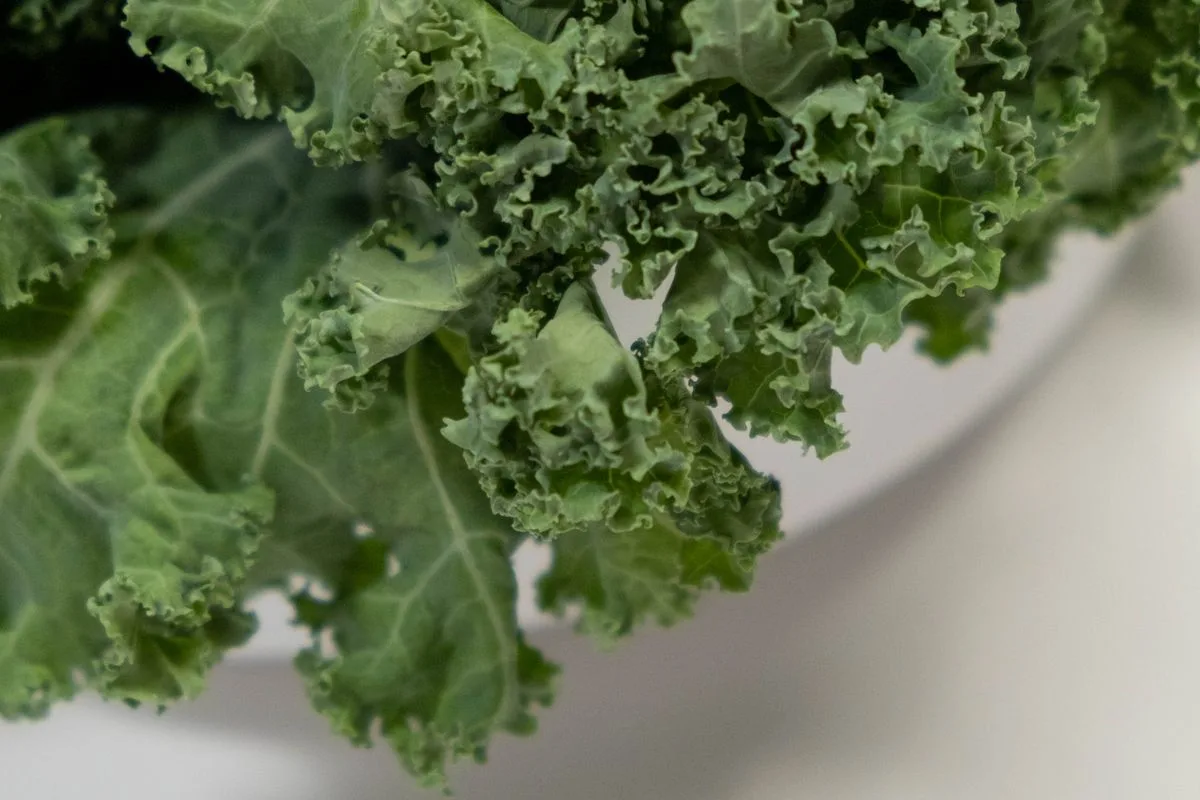
| Leafy greens | Spinach, kale, Swiss chard | High in antioxidants and polyphenols that help counter oxidative stress |
| Berries | Blueberries, strawberries, raspberries | Rich in anthocyanins, linked with reduced inflammatory markers in studies |
| Nuts | Walnuts, almonds | A source of healthy fats and fibre associated with lower inflammation |
| Olive oil | Extra virgin olive oil | Contains compounds shown to have anti-inflammatory effects in research |
| Whole grains | Oats, brown rice, whole wheat | Fibre supports a healthy gut microbiome, which influences inflammation |
Foods linked with more inflammation
Just as some foods are consistently linked with lower inflammation, others are linked with higher levels when eaten regularly and in large amounts:
- Refined sugar and sugar-sweetened drinks: linked with higher inflammatory markers in multiple studies.
- Refined carbohydrates: white bread, pastries and other highly refined grains lack the fibre that supports a healthy gut.
- Highly processed and fried food: often high in both refined carbohydrates and certain fats associated with inflammation.
- Excess red and processed meat: occasional servings are not a major concern, but frequent, large amounts are linked with higher inflammatory markers.
- Trans fats: found in some processed baked goods and fried foods, with some of the strongest evidence of any dietary factor for increasing inflammation.
Building this into everyday meals
You do not need to overhaul your entire diet overnight. A few practical, sustainable changes go a long way:
- Add oily fish once or twice a week. Salmon, mackerel or sardines on toast, in a salad, or as a main meal.
- Make half your plate vegetables, with a focus on leafy greens. This single change does more for overall diet quality than almost any other.
- Swap a refined grain for a whole grain. Brown rice instead of white, whole wheat bread instead of white bread.
- Use olive oil as your main cooking fat. A simple swap that adds up over time.
- Keep a handful of nuts or berries as a regular snack. Small, consistent inclusion matters more than occasional large amounts.
Want the full picture on healthy eating?
Our complete guide covers macronutrients, portion sizing, hydration and a practical grocery list.
What the evidence does not support
Anti-inflammatory eating gets a lot of marketing attention, and some claims outpace the evidence. No single "superfood" meaningfully reduces inflammation on its own; it is the overall dietary pattern that matters. Expensive anti-inflammatory supplements generally have weaker evidence than simply eating the whole foods described here. And cutting out entire food groups, such as all grains or all dairy, is not supported for inflammation specifically unless you have a diagnosed sensitivity or your doctor has advised it.
Sleep, regular movement, stress management and not smoking all influence chronic inflammation alongside diet. An anti-inflammatory eating pattern works best as part of these broader habits, not as a standalone fix.
Common mistakes to avoid
- Relying on supplements instead of food: whole foods generally outperform isolated supplements in research on inflammation.
- Treating it as all-or-nothing: a few anti-inflammatory meals a week is a meaningful start; you do not need every meal to qualify.
- Overlooking portion and overall calorie balance: even anti-inflammatory foods in excess, combined with weight gain, can work against the goal.
- Ignoring sleep and stress: both independently affect inflammation and are easy to overlook when focusing only on food.
- Expecting fast, dramatic results: dietary changes tend to show measurable effects over months, not days.
Anti-inflammatory foods: frequently asked questions
There is no single best food. Oily fish, leafy greens and olive oil each have strong evidence, but it is the overall pattern of regularly eating a variety of these foods that matters most.
Generally, whole foods show stronger and more consistent evidence than isolated supplements. If you are considering a supplement, it is worth discussing with your doctor first, particularly if you take other medication.
No. Diet can support overall health alongside medical treatment, but it is not a substitute for prescribed care for a diagnosed inflammatory or autoimmune condition.
Occasional, moderate amounts are not a major concern for most people. The stronger evidence for higher inflammation relates to frequent, large amounts, particularly processed red meat.
Research generally shows measurable changes in inflammatory markers over weeks to months of consistent dietary change, rather than days.
Not unless you have a diagnosed sensitivity, allergy or your doctor has advised it. For most people, there is no strong evidence that eliminating these food groups specifically reduces inflammation.
Sources and further reading
We checked this guidance against these sources:
- NHS: eight tips for healthy eating
- Ricker MA, Haas WC. Anti-Inflammatory Diet in Clinical Practice: A Review. Nutr Clin Pract. 2017.
- Calder PC. Omega-3 fatty acids and inflammatory processes. Nutrients. 2010.
- National Institute on Aging: healthy eating
Want more practical nutrition guidance? Visit the Nutrition hub, see the top 5 healthy fats, or read about the top 10 healthy foods.