
Beginner Workouts
Simple starter routines that build the habit first and the intensity later.
Start your first weekFitness is regular movement that keeps your heart, muscles and joints working well. This hub covers beginner workouts, strength training, cardio, walking, mobility and home routines.
Every workout guide is written in plain language and reviewed before it goes live.
 Start small. Stay consistent. Build up.
The best workout is the one you will actually do this week.
We show you where to start, how to progress and when to rest.
Each topic opens the matching articles below, so you can go straight to what you need.
Simple starter routines that build the habit first and the intensity later.
Start your first weekHow to build muscle and bone strength with a few basic moves and steady progress.
Lift with a planRunning, cycling, swimming and other ways to build a stronger heart and better stamina.
Find cardio you enjoyThe easiest habit to start, with simple ways to add steps and pace to your day.
Add steps to your dayGentle drills for tight hips, shoulders and backs so daily movement feels easier.
Loosen up your routineEffective sessions you can do in a small space with little or no equipment.
Work out at home todayOur Beginner Fitness Guide lays out a first month of movement in clear weekly steps.
It links out to the detailed article behind every workout.

A complete starting point for getting moving, from your first walk to a full week of strength, cardio and rest.
Open the beginner fitness planShowing 13 articles

A realistic first month of strength training for someone who has never lifted before, no gym required.
Start your first month of training
A no-equipment routine, a four-week plan and safety tips.
Start a simple home workout
How far, how fast and how often to walk if you are just getting started.
Lace up and take the first mile
Strength, cardio, interval and mobility sessions that fit a busy day.
Fit in a 20-minute workout
Five short interval workouts, with safety notes for beginners.
Try a short HIIT session
A full-body workout with no equipment, and how to progress.
Try bodyweight moves
Ten dumbbell moves, sets and reps, and how to choose weights.
Start with dumbbells
Planks, bird dogs and more, with modifications.
Build a stronger core
What toning really means, and five routines to try.
Tone and strengthen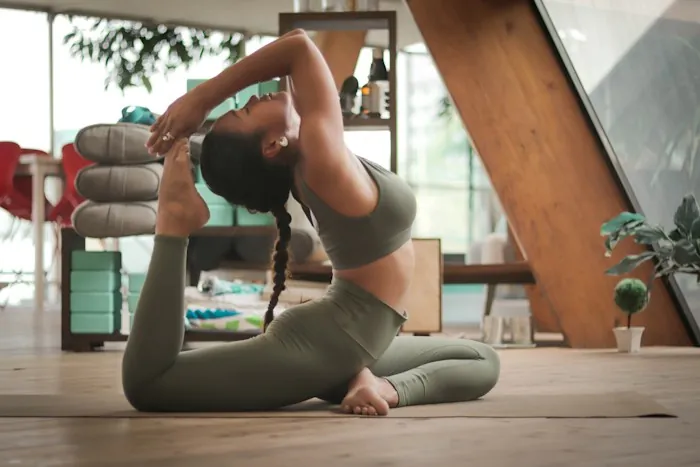
A gentle routine to wake up your body, with safety tips.
Try a 10-minute yoga flow
How long, what to do and how to stretch.
Warm up and cool down well
A free four-week plan and a checklist for choosing one.
Follow a free four-week plan
A gentle run-walk plan based on the NHS Couch to 5K.
Start a beginner running planExercise advice varies a lot online, so we show our process instead of asking you to trust us.
By a writer who researches the topic in depth and cites where each exercise guideline comes from.
By Meena Narayanan, CPT, our site-wide reviewer, before anything goes live.
Exercise targets are checked against public health guidance such as the WHO recommendations, not a second-hand summary.
Articles are revisited as guidance changes, with a visible last-updated date on every page.
Our fitness content is educational and is not individual medical or training advice. If you have a health condition or an injury, or have been inactive for a long time, please check with a doctor before starting a new program. Read our editorial process.
Short, direct answers you can use right away, with the full detail in the linked articles.
The WHO recommends at least 150 to 300 minutes of moderate activity a week for most adults, plus muscle-strengthening work on two or more days. If that sounds like a lot, start with what you can do and build up slowly.
Three days a week is a common starting point, with a rest day between strength sessions. You can add short walks on the other days as your energy allows.
No. Body-weight moves, resistance bands, walking and simple home routines can all build fitness. A gym helps if you want heavier weights, but it is not required to start.
Brisk walking counts as moderate activity and can help you meet the weekly guideline. Adding strength work on two days a week covers muscle strength, which walking alone does not fully build.
A short warm-up of easy movement before exercise helps you get going. Longer stretching often fits better after a workout or on its own, when your muscles are warm.
No. Our fitness content is educational and reviewed by Meena Narayanan, CPT, but it is not a plan built for you. If you have an injury, a health condition or a special goal, a doctor or qualified coach can tailor advice to you.
Get seven small, realistic changes in your inbox, starting with the movement you can fit in tomorrow.

Wellness guide · Replies instantly
General wellness information, not medical advice. Read our disclaimer