
Stress Management
Everyday ways to notice stress early and take the pressure down a notch.
Lower the everyday pressureMental wellbeing is how you think, feel and cope with everyday life. This hub covers stress habits, mindfulness, relaxation, work-life balance and digital wellness.
This is educational wellness content. It is not a replacement for professional care.
 Small pauses. Calmer days.
You do not need a big life change to feel a little better.
We share simple, everyday tools, and we are clear about where they stop.
Each topic opens the matching articles below, so you can go straight to what you need.
Everyday ways to notice stress early and take the pressure down a notch.
Lower the everyday pressureShort practices for paying attention to the present, with no experience needed.
Try a two-minute pauseBreathing, stretching and calming routines that help your body settle.
Wind down on purposeBoundaries, breaks and habits that keep work from taking over your day.
Set boundaries that stickWays to use your phone and screens without feeling drained by them.
Reset your screen habitsSmall daily acts that look after your energy, from journaling to time with friends.
Make time for yourselfOur Stress Management Guide gives you a practical toolkit for everyday pressure.
It is educational, and it points you to professional help where that is the right next step.
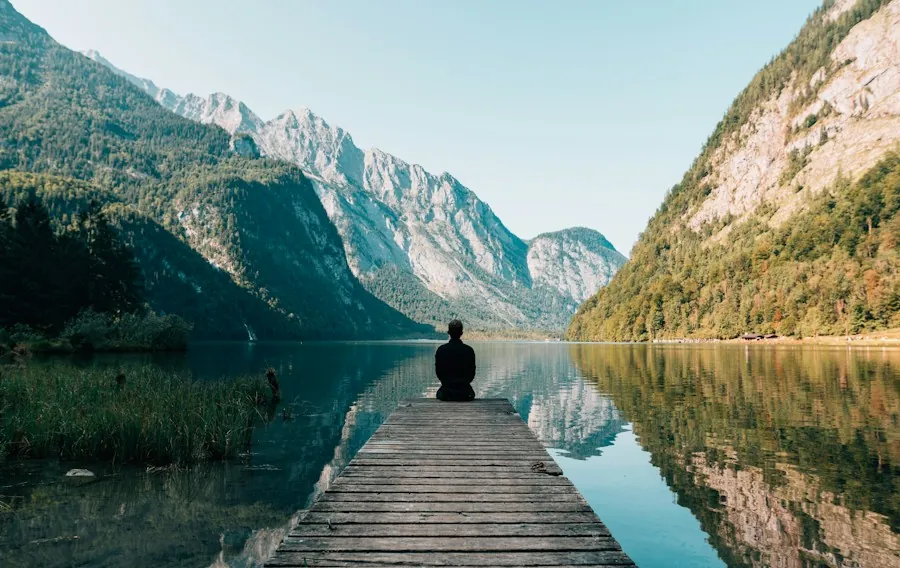
A practical toolkit for everyday stress, from breathing and boundaries to routines that hold up on busy days.
Open the stress management toolkitShowing 13 articles

A short sequence for slowing down when the day has piled up.
Take a five-minute reset
What mindfulness is, what it is not, and one easy way to begin today.
Try your first mindful minute
A four-step breathing pattern you can use at your desk or before bed.
Learn the four-count breath
How to say no kindly and protect your time and energy.
Set a healthy boundary
What a two-week trial found, and how to cut back kindly.
Cut back on screens
A five-minute journaling habit, with 20 prompts.
Start a simple journal
How to start the conversation, and who to talk to.
Start a conversation
How to turn an ordinary walk into a short reset for your mind.
Turn your walk into a reset
Five everyday habits, and signs you may need more support.
Manage everyday stress
Five easy methods and a two-minute routine.
Start a gratitude habit
Five parts of a simple routine, with a sample day and week.
Build your self-care routine
One small act a day, based on the NHS five steps.
Take the 7-day challenge
How time outdoors supports movement, mood and connection.
Get outdoorsWellbeing advice can be vague, so we show our process and its limits instead of asking you to trust us.
By a writer who researches the topic in depth and cites where each claim comes from.
By Meena Narayanan, CPT, our site-wide reviewer, for clarity and accuracy. This is not a clinical review.
Claims are checked against reputable public sources, and we say clearly when the research is limited.
Articles are revisited as research changes, with a visible last-updated date on every page.
Important: our mental wellbeing content is educational and covers everyday stress and habits only. It is not medical or mental health advice, and it is not a substitute for care from a licensed professional. Our reviewer, Meena Narayanan, CPT, holds a personal training credential, which is not a clinical mental health qualification, so her review does not cover diagnosis or treatment. If you are struggling, please speak to a doctor or a qualified mental health professional. If you are in crisis or in danger, contact your local emergency number or a crisis line right away. Read our editorial process.
Short, direct answers you can use right away, with the full detail in the linked articles.
Mental wellbeing is how you feel, think and cope with daily life. It includes your mood, your stress levels and your sense of connection to others. It changes from day to day, and everyone has easier and harder stretches.
Short breaks, slow breathing, regular movement, enough sleep and clear work boundaries all help many people. Pick one and practice it for a week before adding another.
Studies suggest mindfulness practice can help many people feel calmer and handle everyday stress. It is not a cure-all, and results vary from person to person.
Set an end time, close your work apps and use a short ritual, such as a walk, to mark the change. Clear boundaries make it easier for your mind to let go.
If low mood, worry or stress lasts for weeks, gets in the way of daily life or feels too hard to manage, speak to a doctor or a qualified mental health professional. If you are ever in danger or in crisis, contact your local emergency number or a crisis line straight away.
No. This content is educational and covers everyday wellbeing habits. It is reviewed by Meena Narayanan, CPT, whose credential is not a clinical mental health qualification. For diagnosis, treatment or medication questions, please see a licensed professional.
Get seven small, realistic changes in your inbox, starting with a two-minute pause.

Wellness guide · Replies instantly
General wellness information, not medical advice. Read our disclaimer