
What is gratitude, and why practice it?
Gratitude is the habit of noticing what is good and feeling thankful for it. It can be about big things, such as good health, or tiny ones, such as a warm drink on a cold day.
Our minds tend to notice problems more easily than pleasant moments. Practicing gratitude gently trains your attention to notice both.
It is not about pretending everything is fine. You can be grateful for one thing and still find other things hard. The practice makes room for both.
Pair gratitude with a mindful minuteWhat does the research say?
NIMH lists gratitude among its self-care tips: remind yourself daily of things you are grateful for, be specific, and write them down or replay them in your mind.
A systematic review of positive writing exercises looked at 51 studies. It found that best possible self and gratitude interventions had the most consistent benefits, especially for wellbeing and positive mood, such as optimism and happiness.
The same review found results were mixed for negative mood, stress, anxiety and physical health, and it rated the quality of all included studies as poor or fair. Most studies were in Western, university-based groups.
So the honest summary is this. Gratitude is a low-cost habit that can help many people feel better, but it is not a treatment. Use it as one part of a wider set of habits.
Want more everyday tools?
The Stress Management Guide brings breathing, movement, boundaries and sleep into one calm routine.
Five easy ways to practice gratitude
1. Three specific things
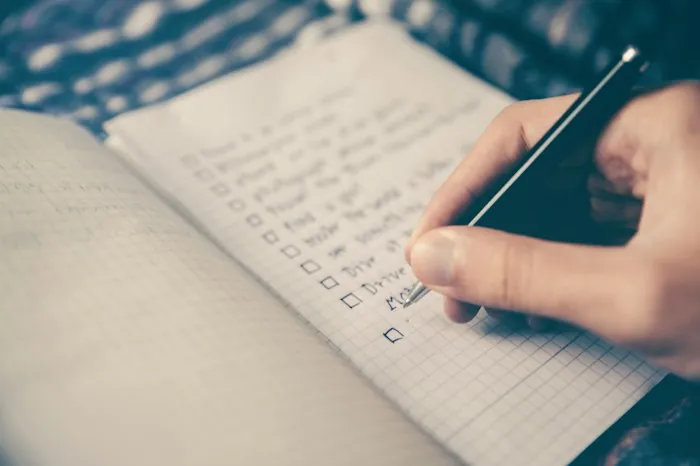
At the end of the day, write down three things that went well, and why. Be specific. "The bus came on time and I got a seat" is better than "transport".
2. A gratitude letter
Write a short letter to someone who helped you. You can send it or keep it. Gratitude letters were among the techniques with the most consistent benefits in the review.
3. A gratitude moment
Pause once a day and notice one thing you appreciate right now, such as sunlight, a friend or a meal.
4. Say thank you
Thank someone in person or by message. NHS advice on giving to others says small acts of kindness and thanks can improve wellbeing and strengthen connections.
5. Best possible self
Spend a few minutes writing about your life as you would like it to be in the future. The review found this technique also had consistent benefits for wellbeing.
A two-minute daily routine
- Choose a time: after dinner, before bed or during your morning drink.
- Take a breath: one slow breath to settle.
- Name three things: small and specific.
- Add why: a few words about why each mattered.
- Notice how you feel: for a moment, before you move on.
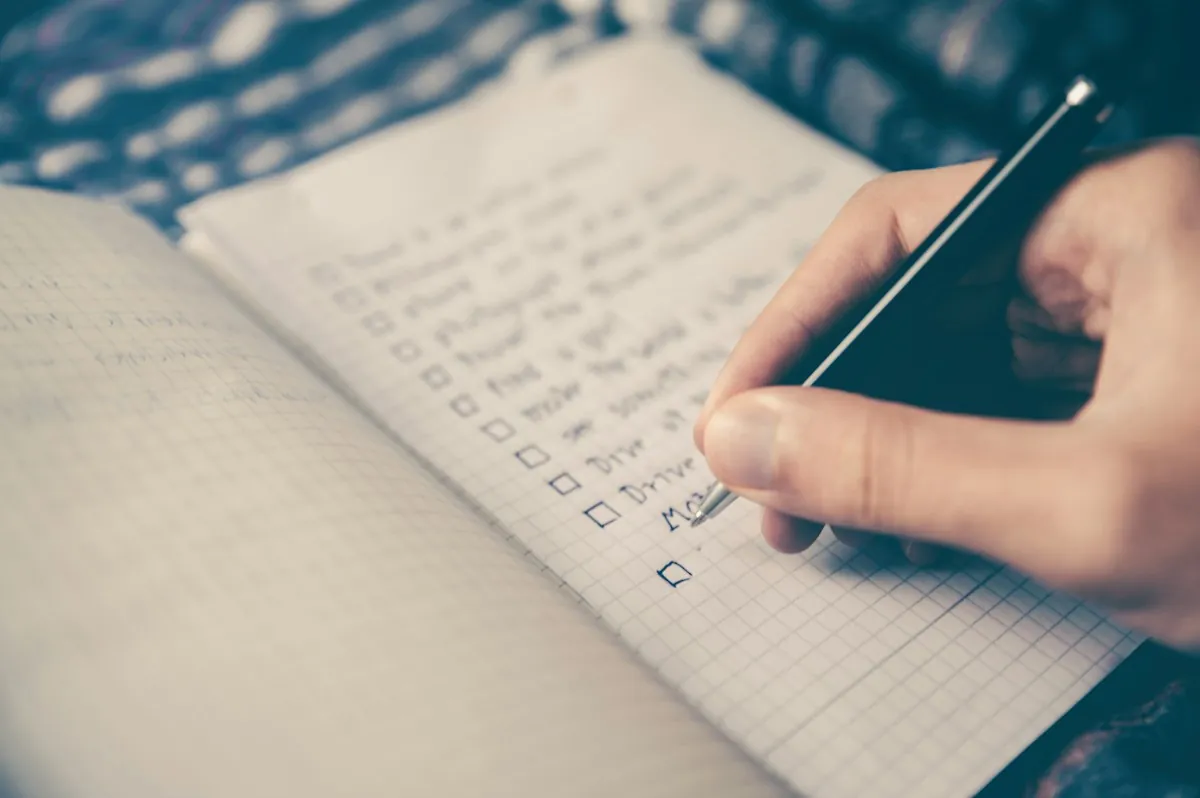
Write in a notebook, in your phone or in your head. What matters is doing it regularly, not doing it perfectly.
How to make it a habit
A small habit that you repeat beats a big plan you drop. These ideas help.
- Tie it to something you already do, such as brushing your teeth at night.
- Start with two minutes, not twenty.
- Keep what you need in sight, such as a notebook or a glass of water.
- Track it with a tick on a calendar.
- If you miss a day, simply start again.
Our article on how to build a habit that sticks has more ideas.
Common mistakes to avoid
- Being vague. Specific details work better.
- Repeating the same list. Look for something new each time.
- Forcing positivity. It is fine to feel mixed emotions.
- Using gratitude to ignore real problems. Deal with problems too.
- Making it a chore. Keep it short and light.
Aim for a gentle habit that supports you, not a rule that adds pressure.
Making it work on busy or hard days
Some days you will have little time or energy. That is when a tiny version helps most.
- Do the one-minute version: one slow breath, one line, one kind thought.
- Attach it to a pause you already have, such as waiting for the kettle.
- Lower the bar. Something small still counts.
- Ask someone for help with one task to free up time.
- Be gentle with yourself. A missed day does not undo your progress.
If everything feels too hard for weeks, that is a sign to talk to someone, not to try harder.
When to get help
This article is about everyday wellbeing. NIMH says to talk to a professional if you have severe or distressing symptoms that have lasted 2 weeks or more, such as trouble sleeping, changes in appetite, difficulty concentrating or losing interest in usual activities.
Talk to your doctor or another qualified professional if the feeling lasts, gets worse or affects your daily life.
Please contact a doctor, your local emergency number or a crisis line. In the US, you can call or text 988, the Suicide and Crisis Lifeline. You do not have to cope alone.
How it fits with the five steps to mental wellbeing
The NHS describes five simple steps that support mental wellbeing. This habit fits into them, and they work best together.
- Connect with other people. The NHS says good relationships are important for your mental wellbeing. Try regular family meals, visiting friends or a video call.
- Be physically active. The NHS says physical activity can improve your mental wellbeing by raising self-esteem and causing positive mood changes. Choose something you enjoy.
- Learn new skills. Cooking, a course or a language can boost confidence and give a sense of purpose.
- Give to others. Small acts of kindness can create positive feelings and strengthen connections.
- Pay attention to the present moment. The NHS describes mindfulness as noticing your thoughts, feelings and surroundings.
You do not need to do everything. Pick one step this week that appeals to you, and build from there. Our guides on mindful walking and walking for fitness combine two steps at once.
Adapting it to your situation
- If you work long hours: anchor the habit to a break, such as your lunch or your commute, and keep it to two minutes.
- If you are a parent or carer: use the quiet moments, such as after the children are asleep, or do it together as a family.
- If you are a student: use it as a break between study blocks, and keep sleep steady.
- If you are older or retired: pair it with a walk or a cup of tea, and share it with a friend.
- If you live alone: add a short call or message to someone to keep connected.
The habit is the same. Only the setting changes. Choose what suits your day.
Notice how you feel
Change is easier to see when you keep a light record. A short note at the end of each day is enough.
- Rate your mood from 1 to 5.
- Note your sleep and energy.
- Note one thing that helped and one thing that did not.
- Look back after two weeks for patterns.
You may notice that better sleep, a walk or a chat with a friend lifts your mood. Use those patterns to build your plan.
Myths worth dropping
Myth 1: Gratitude means ignoring problems
It does not. You can be thankful for something and still deal with a real difficulty. Gratitude simply widens what you notice.
Myth 2: You have to write in a fancy journal
A scrap of paper or a note on your phone works. What matters is the regular habit.
Myth 3: It should always feel good
Some days it will feel flat. That is fine. The habit is still building.
Myth 4: It replaces professional help
It does not. It is a small, supportive habit that sits alongside other care.
A simple plan for your first week
- Day 1: write three good things before bed.
- Day 2: thank someone in person or by message.
- Day 3: notice one thing you appreciate on your walk or commute.
- Day 4: write three good things, and why they mattered.
- Day 5: write a short letter of thanks to someone.
- Day 6: write about your best possible self in a year.
- Day 7: look back at your week, and choose the method you liked best.
Keep the one or two methods that fit you, and drop the rest. The goal is a habit that feels natural.
What if you are not feeling grateful?
Some days it feels forced. That is normal. Try these gentle adjustments.
- Lower the bar. "I had a warm shower" counts.
- Skip "should". You do not have to feel grateful for everything.
- Notice small pleasures, not big life themes.
- Write about things you are glad did not happen, or that went a bit better than expected.
- Take a break if it feels like pressure, and try again later.
If gratitude feels impossible for weeks, or you feel low or anxious most days, that is a signal to talk to someone.
Recap: the main points
- Gratitude means noticing and appreciating good things, on purpose.
- NIMH suggests reminding yourself daily of specific things you are grateful for.
- Research shows consistent benefits for wellbeing, but mixed results for stress and anxiety.
- Try three specific things, a letter, a thank you or a best possible self exercise.
- Talk to a professional if low mood or anxiety lasts.
Practicing gratitude: frequently asked questions
Each day, name three specific things you appreciate, and write them down or think about them for a few minutes. Keep it small and regular.
A systematic review found gratitude writing had consistent benefits for wellbeing and positive mood, and mixed results for stress and anxiety. It is a helpful habit, not a treatment.
Daily is a good habit, but even a few times a week helps. Consistency matters more than length.
Lower the bar, choose small things and skip the pressure. If you feel low for weeks, talk to a professional.
NIMH suggests writing them down or replaying them in your mind. Choose the method you will keep doing.
NIMH says to talk to a professional if you have severe or distressing symptoms lasting 2 weeks or more.
Want a fuller toolkit for everyday stress? Read our Stress Management Guide.
Sources and further reading
We checked the figures and guidance in this article against these sources. This article does not give personal medical advice.
- NIMH: Caring for your mental health
- PMC: Positive expressive writing interventions, a systematic review
- NHS: Five steps to mental wellbeing
- NHS Every Mind Matters: Tips to improve your mental wellbeing
Want more? Head back to the Mental Wellbeing hub or read the Start Here guides.