Why cooking at home helps
When you cook, you decide what goes into your food. You can add more vegetables, use less salt and sugar, and choose healthier fats. It is also usually cheaper than buying ready meals or takeaways.
The NHS eight tips for healthy eating give a simple framework. Base meals on starchy carbohydrates, eat at least 5 portions of fruit and vegetables a day, have at least two portions of fish a week including one of oily fish, cut down on saturated fat, sugar and salt, and drink plenty of fluids.
Home cooking does not have to mean elaborate meals. It can mean eggs and vegetables on toast, a big pot of soup or a tray of roasted vegetables with fish.
See how to set up a healthier kitchenHabit 1: Plan a few meals
You do not need a full week mapped out. Choose three to five dinners, and one or two breakfasts and lunches. Write a short shopping list.
- Choose meals that share ingredients.
- Include one quick meal for a tired night.
- Leave a gap for leftovers.
- Check your fridge and cupboards first.
Our guide to weekly meal planning shows how.
Habit 2: Keep the basics stocked
A few staples make meals possible even when you have not shopped.
- Starchy foods: rice, pasta, oats, potatoes and bread, choosing wholegrain when you can.
- Protein: eggs, beans, lentils, canned fish and frozen chicken.
- Vegetables and fruit: fresh, frozen and canned. The NHS says all count toward 5 A DAY.
- Flavor: garlic, herbs, spices, lemon and stock.
- Healthy fats: olive or rapeseed oil, nuts and seeds.
Want a simple plan for balanced meals?
The Healthy Eating Guide shows how to build meals step by step.
Habit 3: Cook a balanced plate
Use a simple pattern for most meals. Start with vegetables, add a protein, and add a starchy food, with a little healthy fat. See our guide to building a balanced plate.
- Stir-fry: vegetables, protein and noodles or rice.
- Traybake: vegetables and fish or chicken on one tray.
- Soup: vegetables, lentils and a starchy food.
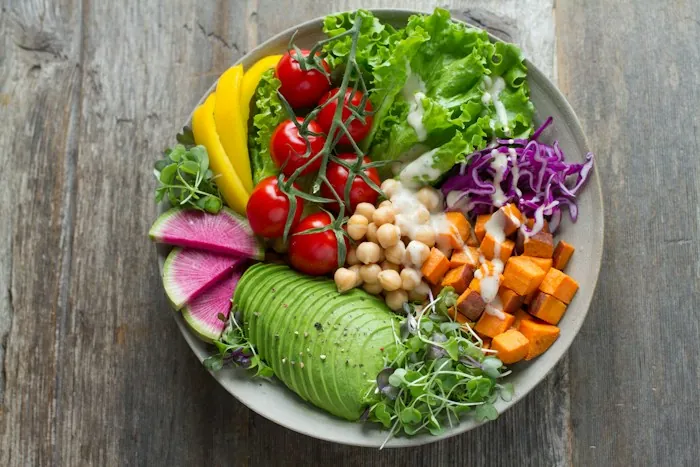
- Bowl: grains, beans, vegetables and a simple dressing.

Habit 4: Prep ahead
- Wash and chop vegetables for two or three meals.
- Cook a batch of grains or beans.
- Make a sauce or dressing.
- Cook extra dinner and pack it for lunch.
- Freeze portions for busy days.
A short prep session saves time all week.
Habit 5: Cook and store food safely
The NHS advises storing raw meat in sealed containers on the bottom shelf of the fridge, so juices cannot drip on other food. It says to cook poultry, pork, burgers and sausages thoroughly until the juices run clear.
- Wash your hands before and after handling raw meat.
- Use separate boards for raw meat and ready-to-eat food.
- Cool cooked food quickly, and store it in the fridge.
- Reheat leftovers until they are steaming hot.
- When in doubt, follow local food safety guidance.
Adapting it to your situation
- If you are just starting out: begin with five to ten minutes, and build up slowly.
- If you have a health condition: ask your doctor what is safe, and which signs mean stop.
- If you live alone: tell someone your plan, and keep a phone within reach.
- If you care for someone else: use short bursts, and share activity with them if possible.
- If you have limited mobility: choose seated or supported versions of exercises.
The habit is the same for everyone. Only the setting and the pace change.
A worked example: three go-to meals
Sam is tired after work and orders takeaway most nights. Sam picks three easy meals: an omelet with vegetables, a bean and tomato pasta and a tray of roasted vegetables with fish.
On Sunday, Sam chops vegetables and cooks a pot of rice. During the week, meals take fifteen minutes.
Takeaways drop from five nights to one. Sam saves money and feels better.
A four-week build
- Week 1: cook one simple meal twice.
- Week 2: plan and cook three dinners.
- Week 3: add a weekend prep session.
- Week 4: cook most weeknight dinners at home.
Build gradually, and keep the recipes you enjoy.
Keeping it going
- Pick a fixed time that suits your energy.
- Link it to something you already do.
- Use a calendar or diary to tick off each day.
- Do it with a friend or family member.
- Celebrate progress that is not about weight or speed.
- Restart the next day if you miss one.
Our article on how to build a habit that sticks has more ideas.
Common mistakes to avoid
- Trying complicated recipes. Start simple.
- Not planning. Without a plan, takeaways win.
- Buying too much fresh food. Use frozen and canned too.
- Ignoring food safety. Follow the NHS storage and cooking advice.
- Adding lots of salt. Use herbs and lemon instead.
Repeat recipes you like. Cooking gets faster with practice.
Myths worth dropping
Myth 1: Cooking takes hours
Many healthy meals take 15 to 30 minutes.
Myth 2: Healthy cooking is expensive
Beans, lentils, eggs, oats and frozen vegetables are cheap and nutritious.
Myth 3: You need to be a good cook
Simple recipes and practice are enough.
Questions to ask yourself
A few honest questions help you tailor these ideas to your own life.
- Which three meals could I cook without a recipe?
- What is my biggest barrier: time, skill or motivation?
- What could I prep on the weekend?
- Who could cook with me?
- What is one small step this week?
Track how it goes
A light record helps you see what works. It takes less than a minute.
- Tick a calendar on days you do the habit.
- Note your energy on a 1 to 5 scale.
- Write one line about what helped or got in the way.
- Review every two weeks and change one thing.
You may notice that some steps make a big difference and others do little. Keep the ones that help.
When to get support
These are everyday habits. Talk to your doctor if you have a health condition, persistent tiredness, low mood lasting weeks or symptoms that worry you.
A doctor, pharmacist or dietitian can look at your situation and tailor advice.
This article is general education, not personal medical or dietary advice. Its reviewer, Meena Narayanan, holds a personal training credential, which is not a medical or dietetics credential. Talk to your doctor before you change your exercise or eating habits, especially if you have a health condition, take medicines or are pregnant.
Simple meal ideas to start with
Breakfast
- Oats with fruit and yogurt.
- Eggs and vegetables on wholegrain toast.
- Wholegrain toast with peanut butter and banana.
Lunch
- Lentil and vegetable soup with bread.
- A wholegrain wrap with beans, salad and hummus.
- Leftover dinner in a container.
Dinner
- Stir-fried vegetables with tofu, chicken or eggs and rice.
- Tray-baked fish with potatoes and green vegetables.
- Bean chili with rice and a side salad.
Snacks
- Fruit and a few nuts.
- Yogurt with berries.
- Vegetable sticks with hummus.
Swap ingredients to suit your tastes, culture and budget. The NHS suggests at least 2 portions of fish a week, with 1 being oily fish, so try fish once or twice.
Cooking at home on a budget
- Buy beans, lentils, oats and rice in bulk.
- Use frozen and canned vegetables, which the NHS says count toward 5 A DAY.
- Choose seasonal produce.
- Cook once and eat twice.
- Plan meals to reduce waste.
- Use the whole vegetable, such as broccoli stalks and leaves.
A simple weekly plan and a shopping list save more money than any single trick.
Cooking with others
Cooking is easier and more fun with company. Share the work, and share the meal.
- Ask each person in your household to choose a meal each week.
- Give children simple jobs, such as washing vegetables.
- Cook with a friend, and swap portions.
- Share recipes with family.
The NHS says good relationships are important for mental wellbeing, and shared meals are an easy way to connect.
Cook with less waste
- Freeze bread, cooked rice and leftover portions.
- Turn leftovers into soup, omelets or fried rice.
- Use older vegetables first, and store greens in the fridge.
- Label containers with the date.
- Keep a running shopping list, so you buy only what you need.
Less waste saves money and time. It also makes it easier to cook at home, because you always have something to start with.
Habit 6: Season smartly, and read labels
The NHS advises adults to have no more than 6 g of salt a day, and suggests reading food labels, choosing products with more green than amber or red. Use herbs, spices, garlic, lemon and vinegar for flavor instead of extra salt.
See our guide on how to read a nutrition label.
Recap: the main points
- Plan a few meals, and keep basics stocked.
- Cook balanced plates with vegetables, protein and a starchy food.
- Prep ahead to save time.
- Store and cook food safely, as the NHS advises.
- Keep salt low, and use flavor from herbs, spices and lemon.
Home cooking habits: frequently asked questions
Learn three simple meals you enjoy, keep basics stocked and plan a few dinners each week.
It can be, because you control the ingredients, including salt, sugar and fat.
The NHS advises storing it in sealed containers on the bottom shelf of the fridge.
The NHS says to cook poultry, pork, burgers and sausages thoroughly until the juices run clear.
The NHS advises adults to have no more than 6 g of salt a day. Use herbs, spices and lemon for flavor.
Prep a few basics once a week, and keep quick meals such as eggs on toast with a salad.
Want the full picture? Read our Healthy Eating Guide.
Related reading: The Top 5 Healthy Hacks for Boosting Your Energy Levels
Sources and further reading
We checked the figures and guidance in this article against these sources. This article does not give personal medical advice.
Want more? Head back to the Healthy Living hub or read the Start Here guides.