Why social connection matters
Humans are social. Talking, laughing and sharing everyday moments lift mood and give life shape. The NHS says good relationships are important for your mental wellbeing.
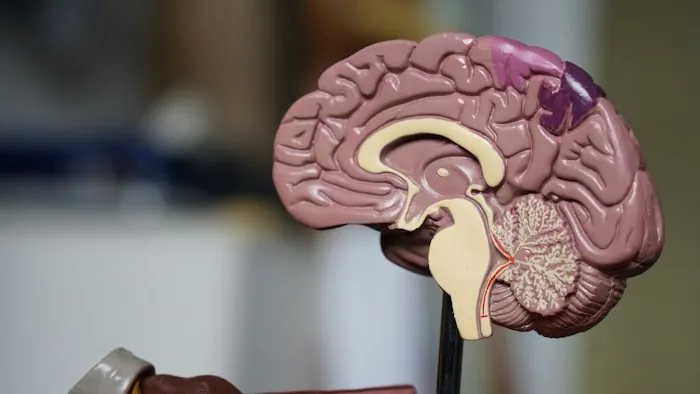
Social contact also matters for brain health. The NHS lists combating loneliness and social isolation among lifestyle factors that can reduce dementia risk, and suggests pursuing mentally stimulating activities.
This does not mean you have to be constantly busy. It means keeping in touch with people, and doing things you enjoy that get you out of your own head.
See why talking about your feelings mattersThe five steps in later life
- Connect: family dinners, visits, phone calls and video calls, as the NHS suggests.
- Be active: walks, gentle classes and gardening. See our walking guide.
- Learn: a course, a language, a craft or a new recipe.
- Give: volunteering, helping a neighbor or mentoring.
- Be mindful: notice the present moment. See mindfulness for beginners.
Each step also gives you another reason to meet people.
Want a simple plan for healthy aging?
The Healthy Aging Guide brings movement, strength, food, sleep and social habits together.
Ideas for staying connected
- Set a regular call or video chat with a friend or relative.
- Join a walking group, choir, book club or exercise class.
- Volunteer for a cause you care about.
- Take a class or workshop, at a library or community center.
- Have a coffee at the same place each week.
- Join a faith or interest group.
- Get to know your neighbors.
- Learn a new skill with a friend.

Staying mentally active
The NHS suggests pursuing mentally stimulating activities. Choose things you enjoy and that ask something of you.
- Read, or join a discussion group.
- Learn a language, an instrument or a craft.
- Do puzzles or play games with others.
- Try a new route, recipe or hobby.
- Teach something you know to someone else.
Mix these with movement and sleep. Together they support your brain and mood.
If you feel lonely
Loneliness is common, and it is not a personal failing. It can happen after retirement, bereavement, a move or a health change.
The NHS advises combating loneliness and social isolation. Start with one small step.
- Say yes to one invitation.
- Reach out to someone you have lost touch with.
- Try a group where people share a purpose, such as a walking club or a craft group.
- Talk to your doctor if loneliness or low mood lasts for weeks. The NHS says untreated depression increases the risk of dementia.
- Use helplines or local services if you need someone to talk to.
Adapting it to your situation
- If you are just starting out: begin with five to ten minutes, and build up slowly.
- If you have a health condition: ask your doctor what is safe, and which signs mean stop.
- If you live alone: tell someone your plan, and keep a phone within reach.
- If you care for someone else: use short bursts, and share activity with them if possible.
- If you have limited mobility: choose seated or supported versions of exercises.
The habit is the same for everyone. Only the setting and the pace change.
A worked example: rebuilding a routine after retirement
Linda retired last year and misses the daily chat at work. She starts with a Tuesday walking group and a Thursday call with her sister.
After a month, she joins a local choir. She also volunteers at a library one morning a week.
Her week now has shape, and she feels more herself. It began with one small step.
A sample social week
- Monday: a call or message to a friend.
- Tuesday: a walking or exercise group.
- Wednesday: a hobby or learning activity.
- Thursday: a coffee with a neighbor.
- Friday: a call with family.
- Saturday: a community event or volunteering.
- Sunday: a quiet day, and plan the week.
Adjust the plan to your fitness and health, and repeat a week if it feels like too much.
Keeping it going
- Pick a fixed time that suits your energy.
- Link it to something you already do.
- Use a calendar or diary to tick off each day.
- Do it with a friend or family member.
- Celebrate progress that is not about weight or speed.
- Restart the next day if you miss one.
Our article on how to build a habit that sticks has more ideas.
Common mistakes to avoid
- Waiting to feel motivated. Start small.
- Only relying on screens. Mix in in-person contact.
- Saying no to every invitation. Try one.
- Ignoring hearing problems. Get them checked.
- Hiding loneliness. Tell someone.
Connection grows with practice.
Myths worth dropping
Myth 1: Loneliness is just part of getting older
It is common but not inevitable, and there are ways to help it.
Myth 2: You need lots of friends
A few good connections matter more than many.
Myth 3: It is too late to make new friends
People make friends at any age, often through shared activities.
Questions to ask yourself
A few honest questions help you tailor these ideas to your own life.
- Who do I enjoy talking to?
- What group or activity would I enjoy?
- What gets in the way, and how could I plan for that?
- Who could I invite to join me?
- What would a good week look like?
When to talk to a doctor
Talk to your doctor before you start or change your routine if you have a heart condition, high blood pressure, dizziness, memory concerns, joint pain or have had falls. Stop and get help if you have chest pain, severe breathlessness, fainting, sudden weakness or confusion. If loneliness or low mood lasts for weeks, or you feel hopeless, talk to your doctor or a crisis line. In the US, call or text 988.
A doctor, pharmacist, physiotherapist or dietitian can look at your whole situation and tailor advice to you.
This article is general education, not personal medical advice. Its reviewer, Meena Narayanan, holds a personal training credential, which is not a medical credential. Talk to your doctor before you change your exercise, diet or medicines, especially if you have a heart condition, high blood pressure, memory concerns, dizziness or have had falls. Call your local emergency number for chest pain, severe breathlessness, fainting or sudden weakness.
Staying connected online
Video calls, messages and online groups can be a great way to stay in touch, especially if travel or health makes going out hard.
- Ask a friend or relative to help you set up video calls.
- Use captions if hearing is difficult.
- Join online classes, book clubs or hobby groups.
- Keep passwords safe, and be careful with unknown messages and links.
- Mix online contact with in-person time when you can.
The NHS notes that technology should not be the only way you keep in touch, so aim for a mix.
Giving and volunteering ideas
The NHS says acts of giving and kindness can help improve mental wellbeing. Giving your time is a way to meet people and feel useful.
- Read with children at a school or library.
- Help at a community garden or charity shop.
- Befriend or phone someone who is lonely.
- Share your skills, such as sewing, cooking or DIY.
- Join a litter-pick or community clean-up.
Choose something you enjoy, and start with an hour or two a week.
If you want to help someone else stay connected
- Call or visit regularly, and keep to the plan.
- Invite them to something small.
- Offer a lift, or help with technology.
- Listen without rushing to fix.
- Encourage them to see a doctor if they seem low, confused or unwell.
Small, regular contact is often more valuable than a rare grand gesture.
Questions to bring to your doctor
A short list makes appointments more useful. Write your questions down, and take a friend or family member if that helps.
- I feel lonely or low. What support is available?
- Could my hearing or vision be limiting my social life?
- Are there local groups, classes or volunteering schemes you recommend?
- Could a medicine be affecting my mood?
- Is there transport support in my area?
A monthly connection checklist
- Did I speak to someone I care about most days?
- Did I go to at least one group or activity?
- Did I try something new?
- Did I do something kind for someone?
- Did I get outdoors with others at least once?
- Do I feel more connected than last month?
Use the answers to plan next month. Small changes add up.
If hearing or mobility makes it hard
The NHS advises managing hearing loss, which can make it harder to join conversations and can lead to withdrawal. Ask your doctor about a hearing test and hearing aids if you need them.
- Choose quieter places for meeting friends.
- Use video calls and captions.
- Ask for transport help, community transport or a lift.
- Look for seated or gentle classes.
- Consider phone or online groups if going out is difficult.
Recap: the main points
- Social contact supports mood, and the NHS lists reducing loneliness and staying mentally active among ways to lower dementia risk.
- The NHS five steps are connect, be active, learn, give and be mindful.
- Start small, with a call, a class or a weekly coffee.
- Look after your hearing, and get help for loneliness or low mood.
- Talk to your doctor about memory or mood concerns.
Staying socially active: frequently asked questions
The NHS lists combating loneliness and social isolation among lifestyle factors that can reduce dementia risk. It cannot guarantee protection.
Join a class, walking group, choir or volunteering group, or set a regular call or coffee with someone you enjoy.
Start with one small step, such as a call, or a group centered on an activity, so you have something to talk about.
Use phone and video calls, online groups, visitors and community services. Ask your doctor or local council about support.
Yes. The NHS advises managing hearing loss. Ask your doctor about a hearing test.
Talk to your doctor if loneliness, low mood or memory concerns last for weeks.
Want the full picture? Read our Healthy Aging Guide.
Sources and further reading
We checked the figures and guidance in this article against these sources. This article does not give personal medical advice.
- NHS: Dementia prevention
- NHS: Five steps to mental wellbeing
- NHS: Physical activity guidelines for older adults
Want more? Head back to the Healthy Aging hub or read the Start Here guides.