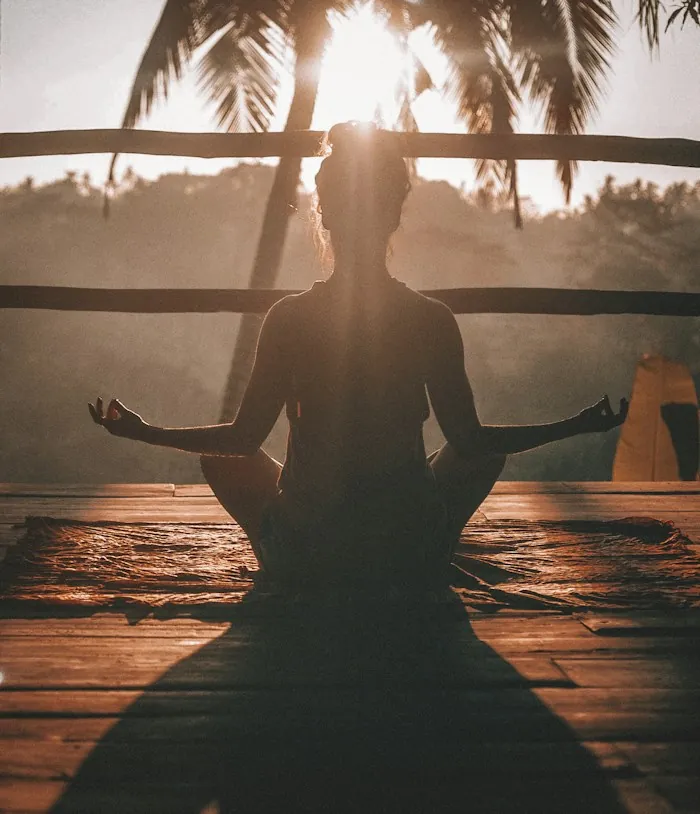
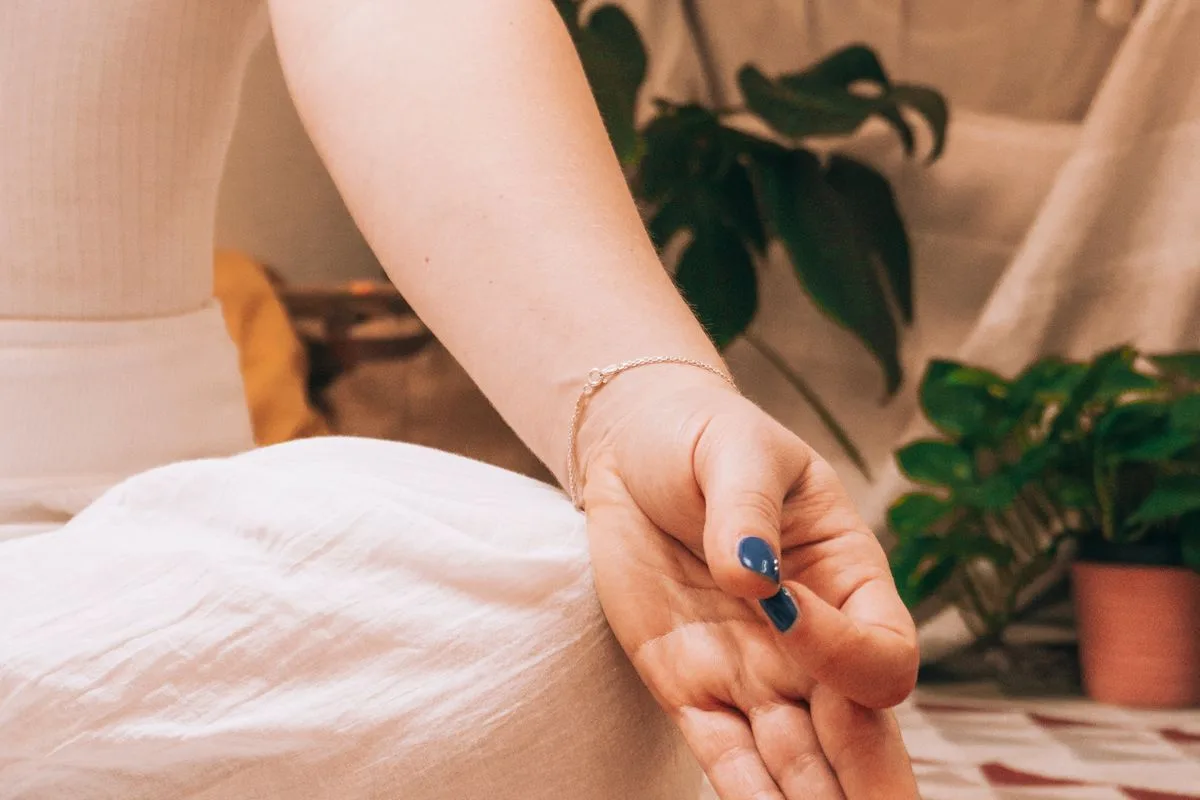
What mindfulness is, and what it is not
The NHS describes mindfulness as paying attention to what is going on inside and outside ourselves, moment by moment.
That can mean noticing your breath, the feel of your feet on the floor, the sound of a room or a passing thought.
What it is
- Noticing what is here right now.
- Watching thoughts and feelings come and go without judging them.
- A skill that grows with regular, gentle practice.
What it is not
- Forcing your mind to go blank.
- A way to never feel stress again.
- Something you have to do perfectly or for a long time.
- A replacement for medical or mental health care.
If your mind wanders, that is normal. Noticing that it wandered, and coming back, is the practice.
Explore more everyday stress toolsA two-minute mindfulness exercise
Try this once today. Set a timer for two minutes so you do not have to watch the clock.
- Sit comfortably, feet flat on the floor. Let your shoulders drop.
- Close your eyes or rest your gaze on a spot in front of you.
- Notice the feel of your breath. You might notice it at your nose, chest or belly. You do not need to change it.
- When your mind wanders, gently notice where it went and bring your attention back to the breath.
- When the timer sounds, notice the room and sounds around you before you get up.
That is it. The NHS lists sitting quietly and paying attention to thoughts, sounds, the sensations of breathing or parts of your body as a form of mindfulness meditation.
If two minutes feels easy after a week, try three, then five.
Want gentle daily support?
The Stress Management Guide brings mindfulness, breathing, movement and boundaries into one calm routine.
Everyday ways to practise
You do not need a cushion or a quiet room. The NHS suggests bringing attention to everyday moments.
Notice the everyday
Pay attention to things you usually skip past, such as the taste of food, the feel of water on your hands or the air on your face as you walk.
Keep it regular
The NHS suggests choosing a regular time for mindful awareness, such as the morning commute or a lunchtime walk.
Try our guide to mindful walking for a simple way to do this.
Name your thoughts and feelings
Labelling an experience, such as "this is worry", can help you step back a little and see it more clearly.
Try something new
The NHS also suggests changing your routine, such as sitting somewhere new, to notice the world differently.

How to build a mindfulness habit
Small and regular beats long and rare. Here is a four-week way to build it.
- Week 1: two minutes a day, at the same time each day.
- Week 2: keep two minutes, and add one mindful everyday moment, such as a mindful cup of tea.
- Week 3: stretch to three or four minutes if it feels easy.
- Week 4: try a mindful walk or a slow, mindful meal.
Tie it to something you already do
Do your two minutes right after brushing your teeth, or before you open your laptop.
The habit sticks better when it has a clear cue. Our article on how to build a habit that sticks explains more.
Common hurdles
- "I cannot stop thinking." Everyone's mind wanders. Coming back is the practice.
- "I fall asleep." Try sitting upright, or practise earlier in the day.
- "I have no time." Use waiting moments, like a queue or a kettle.
- "I feel restless." Try a walking version instead of sitting still.
Mindful moments you can add today
Formal practice is only one route. These short moments take a minute or less and fit around your day.
- Mindful drink. Hold your tea or coffee. Notice the warmth, smell and first sip.
- Mindful hands. Feel the water and soap as you wash your hands.
- Mindful pause. Before you open your email, take one slow breath and feel your feet on the floor.
- Mindful listening. Give someone your full attention for one conversation, with your phone away.
- Mindful shower. Notice temperature, sound and smell rather than planning your day.
A worked example
Say you feel wound up after work. On the way home you decide to notice three sounds, two things you can see and one thing you can feel.
It takes about a minute. Your mind still wanders, and you gently bring it back.
By the time you reach your door, you may feel a little less carried along by the day.
Tips for a kinder practice
- Drop the goal of feeling calm. Aim only to notice.
- Be patient with yourself when you forget. Simply begin again.
- Keep a short note of what you noticed, if you like.
When mindfulness may not be right for you
The NHS says many people find mindfulness helpful, but it is not right for everyone.
Some people find it does not help, or that it can make them feel worse.
If sitting quietly brings up upsetting thoughts or memories, stop and try something more active, like a walk or gentle stretching. Talk to a doctor or qualified professional for support.
The NHS also says research supports mindfulness for stress, anxiety and depression, while evidence for other conditions is limited.
This article is for everyday stress and simple habits. It does not diagnose or treat any condition, and Meena Narayanan reviewed it as a Certified Personal Trainer, which is not a clinical mental health credential.
A closer look: mindful eating
Eating is one of the easiest places to practise, because you do it every day.
Mindful eating means giving the meal your attention, instead of eating while scrolling or working.
- Look at your food for a moment. Notice colours and smells.
- Take a small bite and chew slowly.
- Notice taste, texture and temperature.
- Put your fork down between bites if that helps you slow down.
- Notice when you start to feel full.
Start with one meal or one snack
You do not need to eat every meal this way. Pick one a day, or even one a week.
Notice what happens. Some people enjoy food more, and some notice they were eating fast out of habit.
For more on building steady meals, see our article on how to build a balanced plate.
What to expect
Your mind will probably wander to your phone or your to-do list. Gently bring it back to the food.
There is nothing to get right. Every time you notice, you are practising.
Keep track of your practice
A light record helps you stay curious instead of judgmental. You do not need an app.
- Write the date and how many minutes you practised.
- Add one word for how you felt before, and one word after.
- Note anything you noticed, such as a sound, a thought or a sensation.
- Review your notes once a week.
What to look for
Look for patterns, not results. You may notice that a morning practice suits you better than an evening one, or that walking works better than sitting.
You might also notice that some days feel restless. That is normal, and it tells you something about your day.
Where to go next
Once a two-minute practice feels natural, you can explore other ways to practise, such as mindful walking or a counted breathing routine like box breathing.
The NHS notes that yoga and tai chi are other ways to build awareness of your breath and body.
Choose the approach that feels kind and doable for you.
Be patient
Mindfulness is a skill. It builds slowly, like learning to ride a bike. Progress may not be obvious for a few weeks.
If you feel worse, stop and talk to someone you trust or a professional.
Set up a calm spot
You do not need a special room. A simple, consistent spot makes it easier to begin.
- Choose a chair or cushion you find comfortable.
- Dim harsh lights and switch off screens.
- Keep a blanket nearby if you feel cool.
- Silence your phone, or place it in another room.
Use a gentle timer
A soft alarm helps you stop watching the clock. Pick a quiet tone, not a loud one.
Start with two minutes. When it goes off, take a moment before you move on.
Try guided practice if it helps
Some people find it easier to follow a voice than to practise in silence. The NHS mentions mindfulness resources you can try. Look for short, plain-language exercises from trusted sources.
If a style does not suit you, try another. It is normal to look around.
When to get help
This article is about everyday stress. If a feeling lasts for weeks, gets worse, or starts to affect your sleep, work, relationships or daily life, talk to your doctor or another qualified professional.
Please contact a doctor, your local emergency number or a crisis line. You do not have to cope alone, and the person on the line can point you to the right help.
Recap: the main points
- Mindfulness is paying attention to the present moment without judging it.
- Start with two minutes of noticing your breath.
- Bring attention to everyday moments like eating or walking.
- Practise regularly and tie it to a habit you already have.
- It is not right for everyone. Stop if it makes you feel worse and talk to a professional.
Mindfulness for beginners: frequently asked questions
It means paying attention to what is happening right now, inside you and around you, without judging it.
Two minutes a day is a good start. You can add a minute or two once it feels easy.
Meditation is one way to practise mindfulness. You can also practise during everyday moments, such as walking or eating.
That is normal. Noticing it wandered and gently coming back is the practice.
The NHS notes it is not right for everyone and can make some people feel worse. If that happens, stop and speak to a doctor or qualified professional.
No. It is a self-help tool for everyday stress, not a replacement for professional care.
Want a fuller toolkit for everyday stress? Read our Stress Management Guide.
Sources and further reading
We checked the figures and guidance in this article against these sources. This article does not give personal medical advice.
Want more? Head back to the Mental Wellbeing hub or read the Start Here guides.