The short answer
No, most people do not need to count calories. Many eat well by focusing on food quality, portions and habits.
Counting is a tool. It can build awareness for some people and cause stress for others.
The right choice depends on your goals, your history with food and how much detail you enjoy.
What is a calorie?
The NHS explains that the amount of energy in food and drink is measured in calories. Labels show it in kilocalories (kcal) or kilojoules (kJ).
To keep your weight steady, the energy you eat should match the energy your body uses. Eating more than you use leads to weight gain over time, and eating less leads to weight loss.
The WHO says overweight and obesity result from an imbalance between the energy you take in and the energy you use. It also says it is usually multifactorial, so many other things matter too.
How many calories do you need?
The NHS gives these average figures for adults.
| Group | Average need |
|---|---|
| Average man | About 2,500 kcal a day |
| Average woman | About 2,000 kcal a day |
These are averages only. Your own needs depend on your age, weight, height and how active you are, as the NHS notes.
That is why generic calorie targets from apps can be far off for you.
When counting can help
- You want to see how much you really eat for a short time, such as one or two weeks.
- You are trying to understand portions and hidden calories in drinks and snacks.
- A doctor or dietitian has recommended it for a health reason.
- You enjoy numbers and find tracking calming, not stressful.
If you try it, treat it as a learning experiment, not a forever rule. Many people stop after they have learned what a typical day looks like.
When counting can backfire
- You feel anxious or guilty when you go over a number.
- Food starts to feel like a set of rules, not enjoyment.
- You skip social meals because you cannot count them.
- You ignore hunger and fullness cues.
- You have had an eating disorder, or you worry you might.
Please do not use calorie counting without professional support if you have a history of disordered eating. Speak to a doctor or a registered dietitian first.
Calorie numbers on labels and in apps are also only estimates. Chasing exact totals can give a false sense of precision.
Simple alternatives that build awareness
You can build awareness of what you eat without tracking every number.
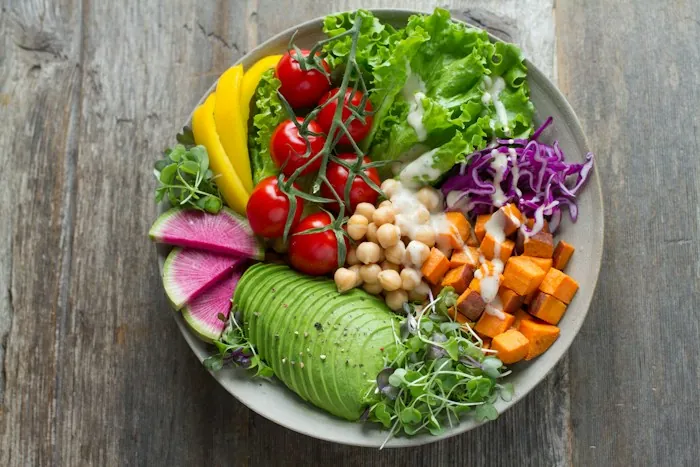
- Use the plate. Fill half your plate with vegetables and fruit, and split the rest between whole grains and protein.
- Watch drinks. Sugary drinks and creamy coffees add calories without filling you up.
- Check labels. Compare foods using the per 100 gram column.
- Eat slowly. Put down your fork between bites and stop when comfortably full.
- Plan meals. The NHS lists planning meals as a way to manage what you eat.
If you choose to count, do it kindly
- Set a short time limit, such as one to two weeks.
- Record what you eat as you go, without changing it at first.
- Use food labels and a reliable database, and accept that numbers are estimates.
- Look for patterns, such as high-calorie drinks or large evening portions.
- Stop when you have learned what you needed, and keep the habits.
Want a plan that does not rely on counting?
Our Weight Management Guide builds habits around plates, movement, sleep and stress.
Learn your hunger and fullness cues
Your body sends signals about how much it needs. Learning to read them is a skill.
- Notice if you are physically hungry or bored, stressed or tired.
- Pause halfway through a meal and check how full you feel.
- Eat without screens when you can.
- Stop when you are comfortably full, not stuffed.
This takes practice, and it is worth it. It works for many people better than any number.
When to get personal help
- You have a medical condition, such as diabetes.
- You take medicines that affect appetite or weight.
- You are pregnant, breastfeeding or planning a pregnancy.
- You are very active and unsure about your fuel needs.
- Food or weight worries take up a lot of your thoughts.
A doctor or registered dietitian can look at your whole situation and tailor advice to you.
Food quality still matters
Calories are only part of the picture. Two foods with the same calories can affect your fullness and health differently.
- Fiber-rich foods, such as beans, vegetables and whole grains, help you feel full.
- Protein foods also keep you satisfied.
- Sugary drinks add calories without filling you up.
- Very processed foods can be easy to overeat.
The NHS explains that many foods are processed to some degree, and that it helps to know which ones to limit. Choosing mostly whole or minimally processed foods makes healthy eating simpler.
Eating out without counting
- Look at the menu ahead of time and choose a balanced meal.
- Ask for extra vegetables, and share a starchy side.
- Choose grilled, baked or steamed over deep fried, most of the time.
- Order water first and take your time.
- Stop when you are comfortably full, and take leftovers home.
The NHS notes that checking menu information at restaurants and takeaways can help if you want more detail.
Seven awareness experiments to try this week
Try one a day. They build awareness without a calculator.
- Eat one meal without screens.
- Swap one sugary drink for water.
- Check the serving size on one snack.
- Use the plate method at dinner.
- Pause halfway through a meal and rate your fullness.
- Plan tomorrow's lunch tonight.
- Write down how you felt after each meal.
At the end of the week, notice what surprised you. That is your next step.
Calories and physical activity
Activity uses energy, and the NHS notes that higher-intensity activities use more calories than moderate-intensity ones.
But movement matters for far more than calories. It helps your heart, mood, sleep and strength.
So aim to move because it makes you feel good, not only to burn off food.
Your needs change over time
Your energy needs are not fixed. They change with your age, your weight, your height and your activity levels, as the NHS explains.
- You may need more energy in a very active season.
- You may need less as you become less active or older.
- Pregnancy, breastfeeding and illness change needs too.
That is another reason that listening to hunger and fullness cues often works better than chasing a fixed number.
The bottom line
Calories matter, but counting them is a choice, not a requirement.
Start with habits you can keep, and use numbers only if they help you and do not cause stress.
Number-free tools you can use today
If counting is not for you, other tools can still guide your eating. Try one at a time.
- The plate method. Fill half your plate with vegetables, then add protein and a starchy food.
- Hunger and fullness cues. Eat slowly and stop when you feel comfortably full.
- Regular meals. Steady meals reduce the urge to overeat later.
- Food swaps. Swap sugary drinks for water a few times a week.
- A short food diary. Write down what you eat for a few days without judging it, to spot patterns.
When counting may help
Some people like numbers. A short period of tracking can teach you about portions and hidden extras.
If tracking makes you anxious, causes guilt or takes over your day, stop. Talk to your doctor or a registered dietitian, especially if you have a history of disordered eating.
Choose the approach you can keep
The best method is the one you can follow calmly for months. Our balanced plate guide gives a simple structure with no numbers.
You can also see our natural weight loss guide for a bigger picture.
A week of eating without counting
Here is a simple way to test a number-free approach for one week.
- Day 1: build each meal with vegetables, protein and a starchy food.
- Day 2: eat slowly and pause halfway through a meal to check your hunger.
- Day 3: keep water beside you and swap one sugary drink for water.
- Day 4: plan tomorrow's lunch tonight.
- Day 5: notice what triggers snacking when you are not hungry.
- Day 6: cook one meal from scratch.
- Day 7: look back and note what felt easy and what did not.
What to watch for
Notice your energy, your mood and how satisfied you feel after meals. These clues tell you more than a number on a screen.
If you feel constantly hungry or unwell, talk to a health professional.
Recap: calories in five points
- A calorie is a unit of energy in food and drink.
- Average needs are about 2,500 kcal for men and 2,000 for women, but yours will differ.
- Counting helps some people for a short time and harms others.
- Plates, drinks, labels, planning and hunger cues build awareness without numbers.
- If food feels stressful, get support instead.
Calorie counting: frequently asked questions
No. Many people manage their weight through plates, portions, movement, sleep and steady habits. Counting is optional and helps only some people.
The NHS gives averages of about 2,500 kcal for men and 2,000 for women. Your own needs depend on age, weight, height and activity, so ask a dietitian for a personal figure.
No. They are estimates, so treat them as a guide and not as precise numbers.
For some people it can increase anxiety around food and trigger unhealthy patterns. If you have a history of disordered eating, avoid it unless a professional supports you.
Use the plate method, watch sugary drinks, read labels, eat slowly and plan meals. These build awareness without numbers.
Some very active people find tracking helpful, but it is not required. A registered dietitian or sports dietitian can advise you.
Sources and further reading
We checked definitions and figures against these sources.
- NHS: Understanding calories
- World Health Organization: Obesity and overweight fact sheet
- NHS: Healthy weight
- NHS: How to read food labels
Want more? Head back to the Weight Management hub, or read the Weight Management Guide.