What is a balanced plate?
A balanced plate shows the right mix of foods in one meal. It is a simple picture, so you can eat well without counting.
Instead of weighing food, you look at your plate and check the proportions.
This works at home, at work and in restaurants. It also works whether you eat meat, fish or plant foods.
The Harvard Healthy Eating Plate
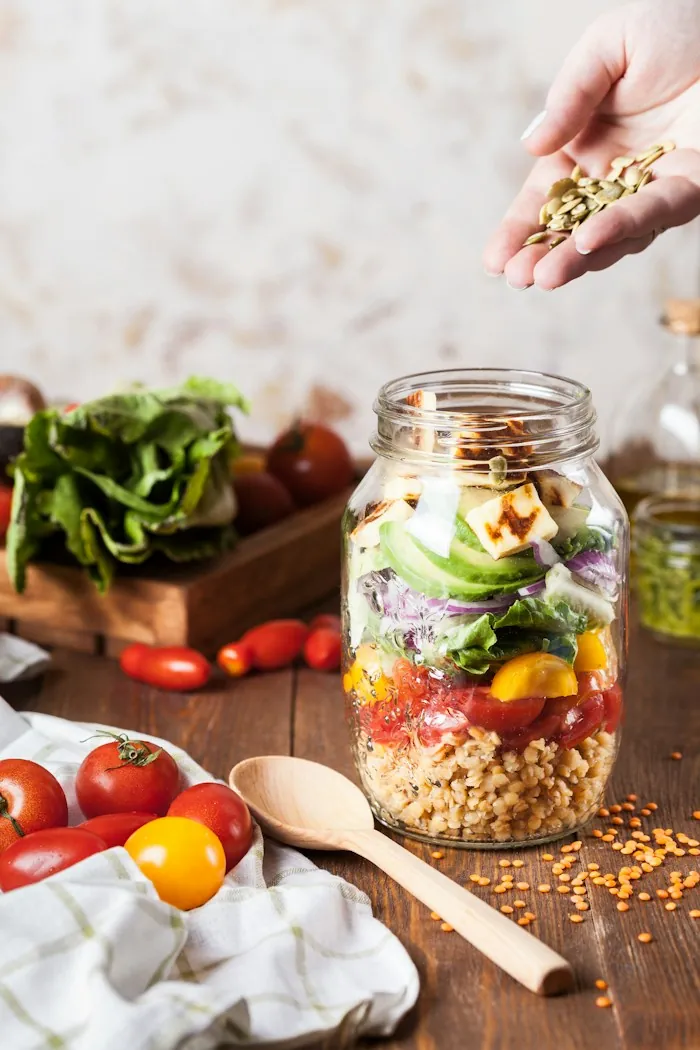
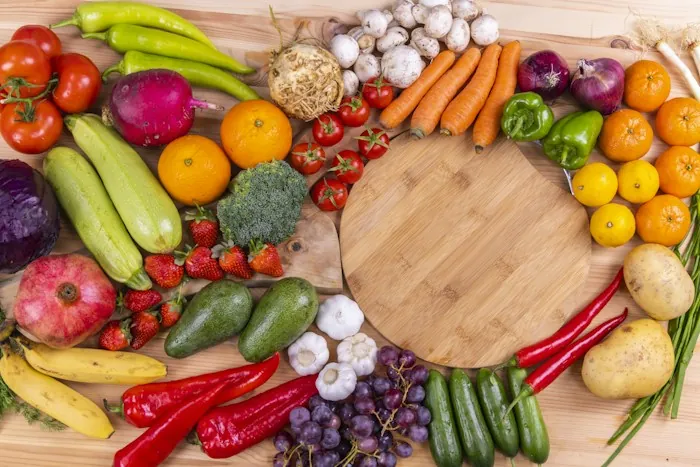
The Harvard Healthy Eating Plate is one of the best-known models. It suggests filling about half your plate with vegetables and fruit.
Split the other half between whole grains and healthy protein, roughly a quarter each.
Add a little healthy oil, such as olive oil, and drink water, tea or coffee with little or no sugar.
What about the NHS Eatwell Guide?
The NHS Eatwell Guide uses similar ideas. It shows starchy foods as just over a third of what we eat, with fruit and vegetables taking a similar share.
The rest comes from protein foods, dairy or dairy alternatives, and small amounts of oils and spreads.
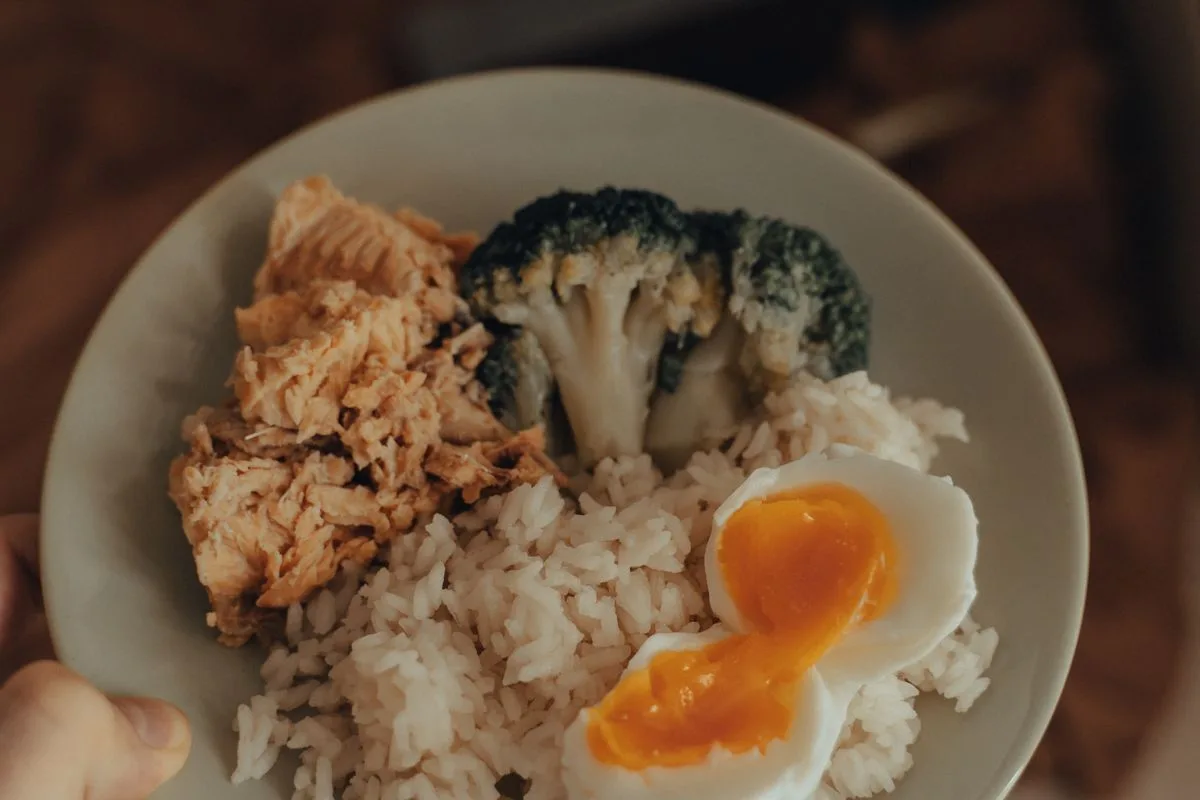
The two guides agree on the big picture: mostly plants, a starchy or whole grain food, and a protein food at each meal.
The five-step plate check
Use these questions before you eat. If you can say yes to most of them, the meal is in good shape.
- Is about half of my plate vegetables or fruit?
- Is there a protein food, such as beans, fish, eggs, tofu, chicken or yogurt?
- Is there a whole grain or another starchy food, like brown rice, oats or a potato with the skin on?
- Is there a little healthy fat, such as olive oil, nuts or avocado?
- Am I drinking water, tea or coffee with little or no sugar?
Do not worry if a meal misses one. Look at your whole day and week instead.
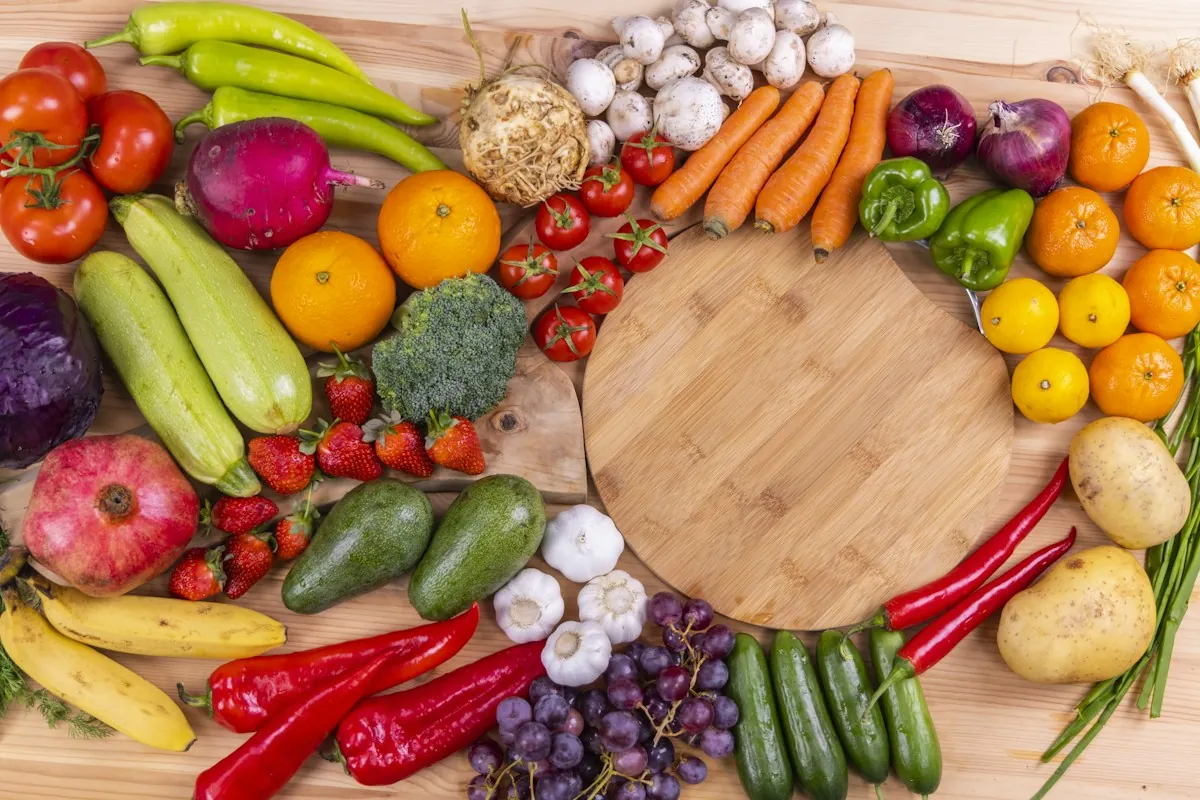
Half the plate: vegetables and fruit
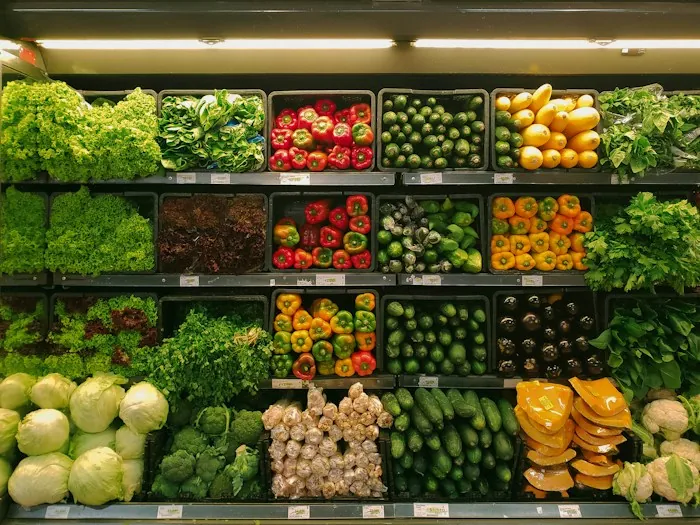
The WHO advises at least 400 grams of vegetables and fruit a day, not counting starchy roots such as potatoes. That is about five portions.
Filling half your plate at two meals a day gets you most of the way there.
- Add a handful of spinach to eggs, soups or pasta sauce.
- Snack on carrots, cucumber or cherry tomatoes.
- Top breakfast with berries or a sliced banana.
- Aim for two different vegetables at dinner.
Fresh, frozen and canned all count. Choose canned vegetables with no added salt, and canned fruit in juice rather than syrup.
A quarter of the plate: whole grains
Whole grains keep the fiber-rich outer layers of the grain. That helps digestion and keeps you full.
- Brown rice, barley or bulgur instead of white rice.
- Whole grain bread instead of white bread.
- Oats instead of a sugary cereal.
- Whole wheat pasta, or half whole wheat and half regular.
- Potatoes with the skin left on.
Check the label. "Multigrain" does not always mean whole grain, so look for "whole wheat" or "whole grain" as the first ingredient.
A quarter of the plate: healthy protein
Protein helps you feel full and supports your muscles. Try to include a protein food at each meal.
- Beans, lentils and chickpeas.
- Fish, eggs, chicken and turkey.
- Tofu and tempeh.
- Yogurt, milk and cheese.
- Nuts and seeds.
Harvard advises limiting red meat and avoiding processed meats such as bacon and sausage.
Want the full eating plan in one place?
Our Healthy Eating Guide covers plates, fiber, protein, drinks, planning and a free checklist.
Plate ideas for breakfast, lunch and dinner
Here are simple examples. Swap in foods you enjoy, and adjust for your culture and budget.
| Meal | Half: vegetables and fruit | Quarter: whole grain | Quarter: protein |
|---|---|---|---|
| Breakfast | Berries and a sliced banana | Oats cooked with milk | Greek yogurt or an egg |
| Lunch | Big salad with tomatoes and cucumber | Whole grain wrap or brown rice | Chickpeas or grilled chicken |
| Dinner | Steamed broccoli and carrots | Baked potato with skin | Baked fish or lentil curry |
Snacks can follow the same idea. Pair a fruit or vegetable with a little protein, such as an apple with peanut butter or carrots with hummus.
Portions without scales
Your hand is a rough guide. A palm is about one serving of protein, and a cupped hand is about one serving of grains or starchy foods.
These are estimates, not strict rules. Your needs vary with your size, age and activity.
If you are still hungry, add more vegetables first. They add volume and fiber.
Eating out, plant-based eating and busy days
- Eating out: ask for extra vegetables, and share a starchy side.
- Plant-based: combine beans, lentils, tofu or nuts with whole grains and vegetables.
- Busy days: use ready-made help, such as a rotisserie chicken, a bagged salad and a pouch of brown rice.
- Low appetite: eat smaller plates more often, and ask a doctor if it lasts.
The plate is general advice for healthy adults. Needs change with age, pregnancy, health conditions and medicines. A registered dietitian can build a plan around you.
Common mistakes to avoid
- Making it a rule. The plate is a guide, so miss it sometimes.
- Skipping protein. Salads with no protein leave you hungry soon after.
- Only refined grains. White bread and white rice have lost most of their fiber.
- Sugary drinks on the side. They add sugar without filling you up.
- Very large plates. A smaller plate can help with portions.
Adapt the plate to your own food culture
The plate is a pattern, not a menu. You can fill it with the foods you grew up with.
A traditional Indian thali is a good example. A small bowl of dal or curd gives you protein, vegetable dishes fill a large share, and rice or roti gives you a starchy base.
A Mediterranean meal might be grilled fish, a big salad and whole grain bread. A Mexican meal might be beans, salsa, vegetables and corn tortillas.
- Look at the foods on your plate and sort them into vegetables, starches and protein.
- Add more vegetables if that share looks small.
- Choose whole grain versions of your usual starch when you can.
- Go easy on very salty pickles, sauces and deep-fried sides.
You do not need to give up your favorite dishes. Small shifts in proportion matter more than swapping every food.
Adjust the plate for your goals
The proportions are a starting point. You can tweak them, depending on your day.
If you are very active
You may need a bit more starchy food and a protein snack. Add an extra portion of whole grains or fruit around your workouts.
If you want to manage your weight
Keep half the plate as vegetables and fruit, since they add volume and fiber. Watch liquid extras such as sugary drinks and creamy sauces.
If your appetite is small
Use a smaller plate and eat smaller meals more often. Keep the same balance of vegetables, protein and whole grains.
For a personal plan, a registered dietitian can adjust these ideas to your health, age and activity.
Do not forget snacks and drinks
Snacks make up a large part of many people's day. The same idea works for them.
- Pair a fruit or vegetable with a protein or healthy fat, such as an apple with nut butter.
- Choose water, tea or coffee with little or no sugar most of the time.
- Keep fruit and cut vegetables where you can see them.
- Plan a treat, and enjoy it slowly.
Balanced plates in real life
The plate idea works best when you can use it at home, at work and when you eat out.
At home
- Start with the vegetables. Fill the largest part of the plate first.
- Add your protein next, then a starchy food.
- Finish with a little healthy fat and flavor, like olive oil, nuts or herbs.
At work
- Pack a container with the same three parts: vegetables, protein and a starchy food.
- Keep fruit, yogurt or nuts nearby for snacks.
- If you buy lunch, look for a meal with a vegetable side and lean protein.
When you eat out
- Choose a dish with visible vegetables, or add a side salad.
- Ask for sauces on the side.
- Share a starter or a dessert if you want a treat.
- Eat slowly and stop when you feel comfortably full.
Make it fit your culture and taste
A balanced plate does not need to look Western or bland. A rice and dal meal with vegetables, a noodle soup with greens or a wrap filled with beans and salad can all follow the same pattern.
Use foods you enjoy and can afford. Our weekly meal planning guide shows how to build a week of them.
Recap: your balanced plate in five points
- Half vegetables and fruit.
- A quarter whole grains.
- A quarter healthy protein.
- A little healthy oil.
- Water, tea or coffee to drink.
Balanced plate: frequently asked questions
About half vegetables and fruit, a quarter whole grains and a quarter healthy protein, plus a little healthy oil. Water, tea or coffee are good drinks.
No. The plate is a visual guide. Your hand can give you a rough idea of serving sizes, but you do not need scales.
It can help, because vegetables, fiber and protein keep you full. Weight also depends on sleep, activity and other factors. See our Weight Management Guide.
Yes. Use beans, lentils, tofu, tempeh, nuts and seeds as your protein quarter, and pair them with whole grains and vegetables.
The WHO does not count starchy roots such as potatoes toward the 400 grams of vegetables and fruit. They count as a starchy food. Leave the skin on for more fiber.
No. Think about your pattern over days and weeks. One meal that misses the mark does not undo good habits.
Sources and further reading
We checked targets and thresholds against these sources. Figures are rounded, and examples are illustrations, not prescriptions.
- Harvard T.H. Chan School of Public Health, The Nutrition Source: Healthy Eating Plate
- NHS: The Eatwell Guide
- World Health Organization: Healthy diet fact sheet
- NHS: 8 tips for healthy eating
Want more? Head back to the Nutrition hub, or read the Healthy Eating Guide.