
Strength After 40
Why muscle matters more with age, and how to build it safely.
Build strength for the decades aheadHealthy aging means staying strong, active and independent as the years go by. This hub covers strength, balance, bone health, brain health, heart health and daily independence.
Every article is written in plain language and reviewed before it goes live.
 Strong today. Independent tomorrow.
It is never too late, or too early, to build habits that support your later years.
We keep advice practical, and we say when to check in with a doctor.
Each topic opens the matching articles below, so you can go straight to what you need.
Why muscle matters more with age, and how to build it safely.
Build strength for the decades aheadGentle drills for steady footing, flexible joints and confident movement.
Steady your stepWhat research says about movement, sleep, learning and connection for your mind.
Keep your mind activeEveryday habits linked to a healthier heart, from walking to eating well.
Support your heart dailyHome, movement and routine habits that help you keep doing what you love.
Protect your independenceOur Healthy Aging Guide brings movement, food, sleep and social habits into one clear plan.
It links out to the detailed article behind every chapter.
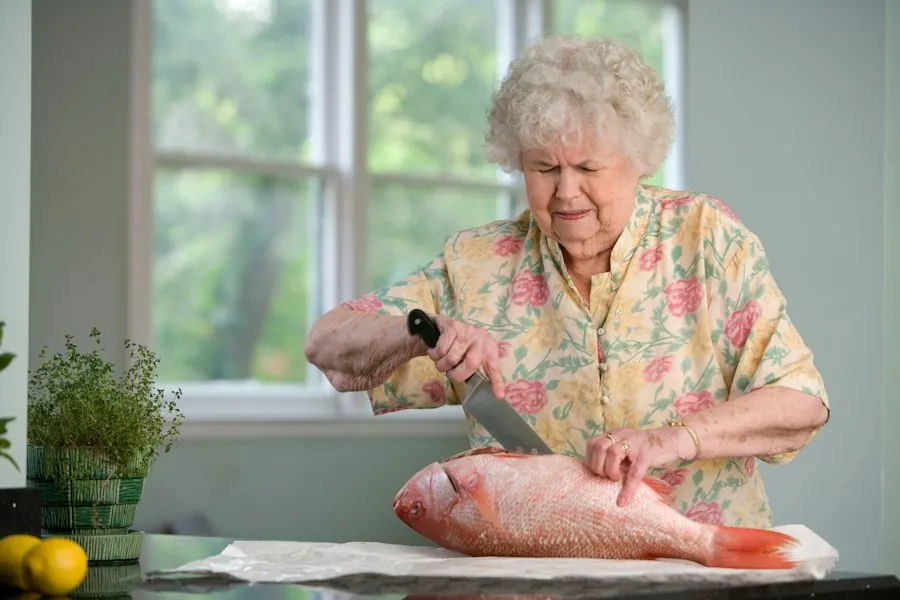
A complete starting point for staying strong and independent, from strength and balance to food and sleep.
Open the healthy aging guideShowing 9 articles

Why lifting matters more with age, and a gentle way to start.
Start building strength now
Simple, safe drills that train your balance using a wall or chair for support.
Practice steady balance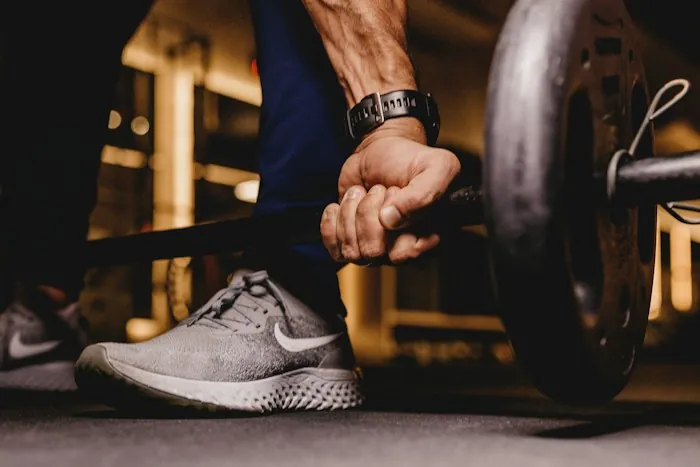
How calcium, vitamin D and weight-bearing activity work together.
Learn what bones need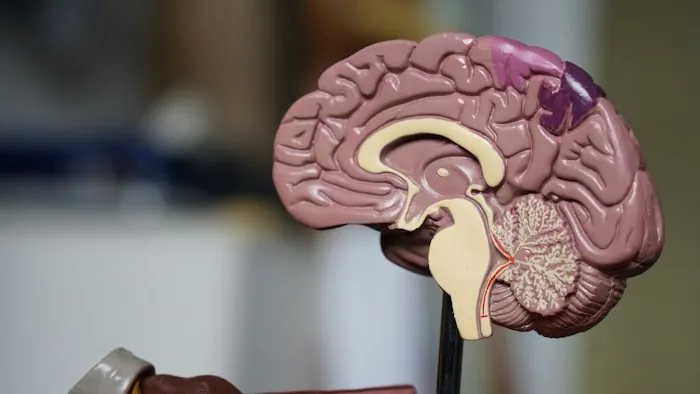
What research links physical activity to memory and thinking.
See the brain benefits
How time with others and shared activities support mental sharpness.
Stay connected to stay sharp
How pace and time on your feet fit into weekly activity guidelines.
Walk toward a stronger heart
Everyday choices around movement, food and sleep that support your heart.
Choose habits your heart likes
Small changes to your routine and space that help you keep doing what you love.
Protect your independence
Why these two movements matter for daily life, and how to practice them.
Master two everyday movesAging advice is full of bold promises, so we show our process instead of asking you to trust us.
By a writer who researches the topic in depth and cites where each health fact comes from.
By Meena Narayanan, CPT, our site-wide reviewer, before anything goes live.
Guidance is checked against public health sources and the original study, not a second-hand summary.
Articles are revisited as research changes, with a visible last-updated date on every page.
Our healthy aging content is educational and is not medical advice. Please talk to a doctor before starting a new exercise program or changing your diet, especially if you have a health condition, take medicines or have had falls. Read our editorial process.
Short, direct answers you can use right away, with the full detail in the linked articles.
Healthy aging means keeping the ability to do the things that matter to you for as long as possible. It covers physical strength, mobility, brain health and social connection.
A mix works best: aerobic activity such as walking, strength training, balance work and stretching. WHO guidance for adults over 65 suggests at least 150 minutes of moderate activity a week, plus balance and strength work on three or more days.
Weight-bearing activity such as walking and strength training, enough calcium and vitamin D, and not smoking all help. Ask your doctor about bone density checks if you are at higher risk.
Yes. Research shows people can build strength at any age with regular resistance training. Start with light loads and build up gradually, and check with a doctor first if you have health concerns.
Regular exercise, good sleep, a balanced diet, learning new skills and staying socially connected are all linked with better brain health as we age.
No. Our content is educational and reviewed by Meena Narayanan, CPT. For personal health questions, symptoms or medicines, please talk to your doctor.
Get seven small, realistic changes in your inbox, starting with one you can do this week.

Wellness guide · Replies instantly
General wellness information, not medical advice. Read our disclaimer