Why plan your meals?
Planning takes the daily question of what to cook off your mind. It also helps you eat better, waste less food and spend less.
The NHS lists planning meals as a simple way to manage what you eat.
You do not need a fancy system. A note on your phone works as well as a printed chart.
The one-hour weekly routine
- Pick meals (10 minutes). Choose three or four dinners and one or two lunches. Repeats are fine.
- Check what you have (10 minutes). Look in the fridge, freezer and pantry. Plan meals around what is already there.
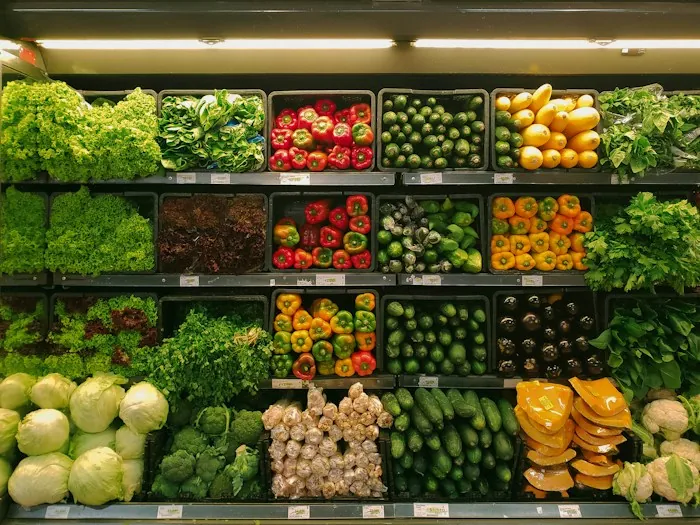
- Write a list (10 minutes). Group items by store section, starting with produce.
- Shop once (20 minutes). Stick to the list. Frozen vegetables and canned beans are handy backups.
- Prep one thing (10 minutes or more). Wash and chop vegetables, or cook a pot of grains or beans.
Most people find the routine gets faster after two or three weeks.
How to pick meals without overthinking
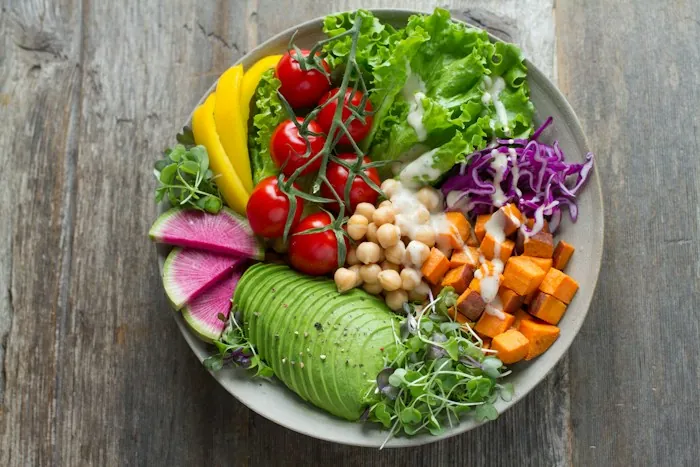
Use the balanced plate as your template. Each dinner needs a vegetable, a protein food and a whole grain or starchy food.
- Choose recipes with ingredients you already use.
- Pick one new recipe a week at most.
- Plan one meal that makes leftovers, so you can eat it again.
- Include one quick meal for your busiest night.
Build a smart shopping list
Write your list by store section. You will move faster and forget less.
| Section | Examples |
|---|---|
| Produce | Leafy greens, carrots, onions, fruit, herbs |
| Protein | Eggs, fish, chicken, tofu, canned beans or lentils |
| Grains and starches | Oats, brown rice, whole wheat pasta, potatoes |
| Dairy or alternatives | Yogurt, milk, cheese |
| Pantry | Olive oil, spices, canned tomatoes, nuts |
| Frozen | Vegetables, berries, fish fillets |
Add a small buffer for snacks, but stick to the list for everything else.
Prep once, eat twice
A little prep saves a lot of time on tired evenings.
- Cook a pot of grains or beans and use it in three meals.
- Wash and chop vegetables when you get home.
- Double a soup, chili or curry and freeze half.
- Make a jar of dressing or sauce.
- Boil a few eggs for quick snacks.
Want the full plan in one place?
Chapter 8 of our Healthy Eating Guide walks you through planning, shopping and prep step by step.
A sample week you can copy
This is an example only. Swap in meals you enjoy.
| Day | Dinner | Plan |
|---|---|---|
| Monday | Vegetable and bean chili with brown rice | Cook a double batch |
| Tuesday | Baked fish, potatoes and a big salad | Quick, 30 minutes |
| Wednesday | Leftover chili in wraps with salad | No cooking |
| Thursday | Stir-fried vegetables and tofu with noodles | Use chopped veg |
| Friday | Homemade pizza on whole wheat bases | Family fun night |
| Weekend | One flexible meal and one eating-out or leftover night | Keep it relaxed |
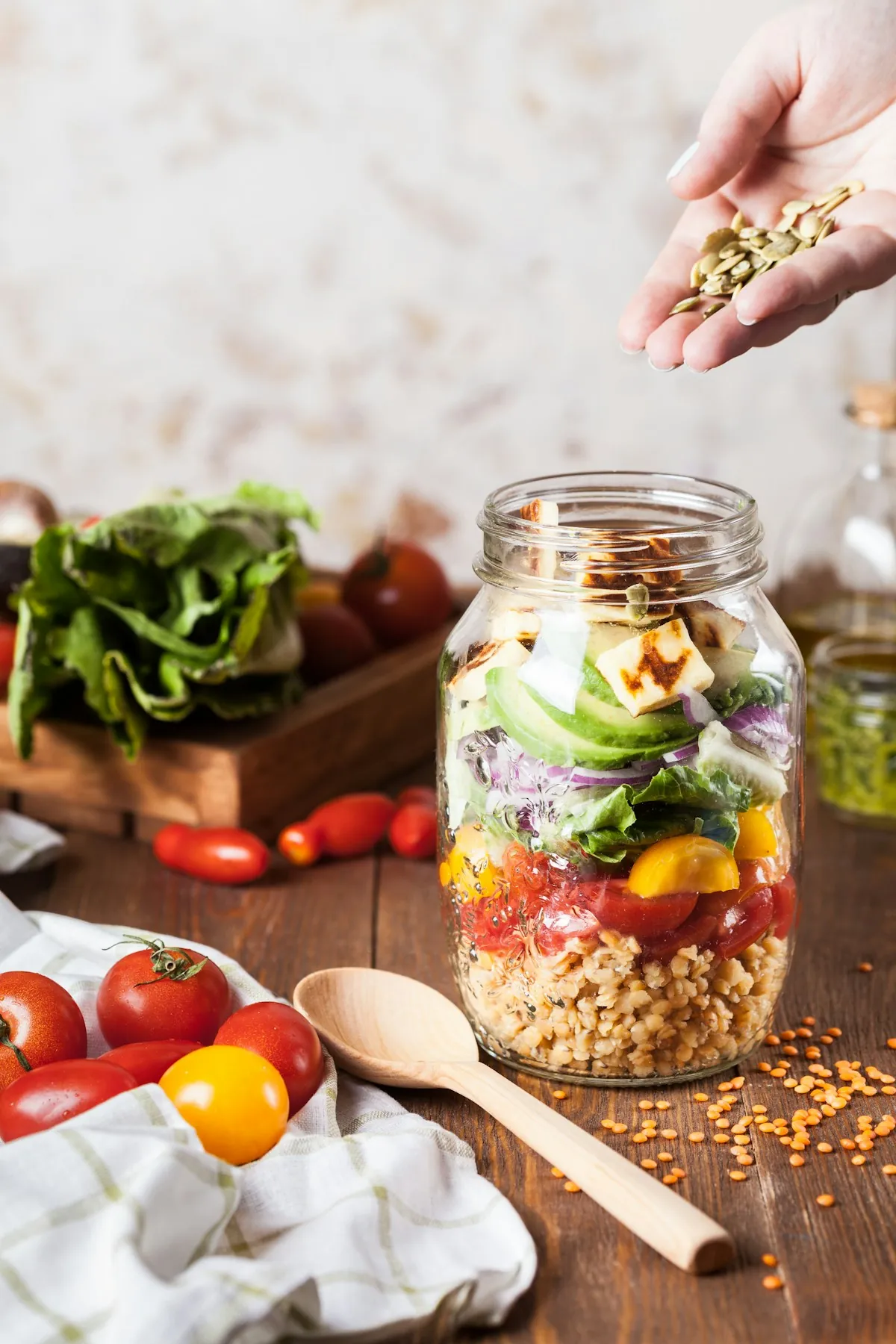
Lunch can be leftovers, a salad jar or a sandwich with a side of fruit. Breakfast can repeat most days.
Save money and waste less food
- Plan around what you already have.
- Buy frozen vegetables and canned beans, which last longer.
- Use vegetable peels and ends for soup.
- Freeze bread, cooked grains and leftovers.
- Check prices per 100 grams to compare items.
Even small changes add up over a month.
When your plan falls apart
Plans fail sometimes. That does not mean planning does not work.
- Keep two or three back-up meals, such as eggs on toast with salad, or pasta with frozen vegetables.
- Swap days around instead of starting over.
- Freeze a meal or two for the days you are too tired to cook.
- Do not beat yourself up. Restart at the next meal.
This routine is general advice for healthy adults. If you have a medical condition, allergies or a special diet, ask a registered dietitian to help you plan.
Plan for one, two or a whole family
If you cook for one
Cook double portions and freeze half. Buy small amounts of fresh produce, and use frozen vegetables for the rest.
If you cook for two
Take turns choosing a meal, and cook together on one night. It is more fun and cuts the load.
If you cook for a family
Let each person pick one dinner. Ask older children to help with a simple task, such as washing vegetables.
Plan one flexible night for leftovers, so nobody is stuck cooking every evening.
A quick template for breakfasts and lunches
You do not need a new idea every day. A few repeatable options work well.
- Breakfast: oats with fruit, yogurt with berries, or eggs with toast and tomatoes.
- Lunch: a salad jar, a whole grain wrap with beans and vegetables, or leftovers from dinner.
- Snacks: fruit, nuts, yogurt, or carrots with hummus.
Pick two breakfasts and two lunches for the week, and repeat them. That takes away a lot of daily decisions.
Stock a pantry and freezer that make planning easy
A stocked kitchen means a healthy meal is always possible, even when your plan slips.
- Canned beans, chickpeas, lentils and tomatoes.
- Oats, brown rice, whole wheat pasta and noodles.
- Olive oil, herbs, spices and stock.
- Frozen vegetables, berries and fish fillets.
- Eggs, yogurt and a few long-lasting vegetables such as carrots and cabbage.
With these on hand, you can make a balanced plate from almost nothing.
Common beginner mistakes
- Planning too much. Start with three or four meals, not twenty-one.
- Too many new recipes. Try one new recipe a week at most.
- Skipping the pantry check. You end up buying what you already own.
- No back-ups. Keep two easy meals for tired nights.
- Giving up after one bad week. Restart with the next shop.
A simple weekly prep checklist
Use this list on your prep day. Tick off only what you have time for.
- Wash and chop two or three vegetables.
- Cook one pot of grains, such as rice or quinoa.
- Cook one pot of beans or lentils, or open a can.
- Prepare one sauce or dressing.
- Portion snacks into small containers.
- Label and freeze any extra meals.
Even twenty minutes of prep changes how the week feels. The first few nights are the hardest, and prep makes them easier.
Make planning a weekly habit
A plan only helps if you make it. Pick one time each week and stick to it.
- Choose a regular slot, such as Sunday morning.
- Pair it with something you enjoy, like music or a favorite drink.
- Keep the plan where you can see it, such as on the fridge.
- Review it briefly on Wednesday and adjust.
Meal planning on a very tight schedule
If your week is packed, plan less, not nothing. Even two planned dinners help.
- Pick meals that take 20 minutes or less.
- Use frozen vegetables, canned beans and pre-cooked grains.
- Plan one no-cook meal, such as a big salad with tuna or chickpeas.
- Keep a list of five easy meals on your phone.
- Order or buy one ready-made meal a week without guilt.
The best plan is the one you will actually follow. A short list beats a perfect one that you abandon on Tuesday.
When your meal plan falls apart
Every plan gets disrupted sometimes. A little flexibility keeps you on track.
- A late night at work. Keep a quick backup meal, such as eggs on toast with a bag of salad, or a frozen meal with extra vegetables.
- Plans changed. Swap two dinners around instead of skipping the plan.
- You are bored. Change the sauce or the vegetables, not the whole plan.
- Food is going off. Cook it now and freeze it for another day.
- You ate out. Shift the planned meal to tomorrow.
Build a rotating menu
Choose eight to ten meals your household likes. Rotate them, and add a new recipe once a week.
A small menu makes shopping and cooking easier, and it reduces waste.
Involve the household
Ask others to pick a meal, help with prep or do the washing up. Shared work makes planning more sustainable.
Our guide on setting up a healthier kitchen shows how to make the space work for you.
Planning for different households
A plan works only if it fits the people eating it. Adjust the same steps for your situation.
If you cook for one
Cook a larger portion and freeze single servings. Keep frozen vegetables and eggs for quick meals so you do not waste fresh food.
If you cook for a family
Let each person choose one meal a week. Build meals with parts people can assemble themselves, like bowls, wraps or tacos.
Involving children in choosing and washing vegetables often makes them more willing to eat them.
If your schedule is unpredictable
Plan fewer meals than there are days, and leave one or two open for leftovers or spontaneous plans.
Keep a short list of five-minute meals for tired evenings.
If you are on a tight budget
Build around beans, lentils, eggs, oats, rice and seasonal vegetables. Frozen and tinned foods keep well and reduce waste.
Our guide on setting up a healthier kitchen lists easy staples to keep on hand.
Recap: your planning routine in five points
- Pick three or four dinners.
- Check what you already have.
- Write a list by store section.
- Shop once, starting with produce.
- Prep one thing ahead.
Meal planning: frequently asked questions
Start with three or four dinners for the week. Check what you have, write a shopping list, shop once and prep one thing ahead. Add more days when it feels easy.
About an hour a week once you get used to it. That covers choosing meals, writing a list, shopping and a little prep.
Not at first. Many people repeat the same breakfast and eat leftovers or a simple salad or sandwich for lunch.
Turn leftovers into something new, such as chili into wraps or roast vegetables into a soup.
Plan around what you already have, use frozen vegetables and canned beans, buy staples in bulk and cook double batches.
It can. Planning makes it easier to include vegetables, protein and whole grains, and less likely you will rely on takeout when you are tired.
Sources and further reading
We checked targets and thresholds against these sources. Figures are rounded, and examples are illustrations, not prescriptions.
- NHS: 8 tips for healthy eating
- NHS: Understanding calories
- Harvard T.H. Chan School of Public Health, The Nutrition Source: Healthy Eating Plate
- World Health Organization: Healthy diet fact sheet
Want more? Head back to the Nutrition hub, or read the Healthy Eating Guide.