Why your kitchen setup matters
Most of us do not decide what to eat from a blank slate. We eat what is close, easy and already in the house.
That is why a small change in your kitchen can do more than willpower.
If chips are on the counter and fruit is hidden at the bottom of the fridge, chips will win most days. Flip it, and the odds change.
The NHS eight tips for healthy eating give a simple target. Base meals on starchy carbohydrates, eat at least 5 portions of fruit and vegetables a day, include fish, and cut back on saturated fat, sugar and salt.
A kitchen that is set up to support those tips makes them much easier.
Explore more healthy living habitsFridge, counters and cupboards
On the counter
- Put a bowl of fruit where you will walk past it.
- Keep a water jug or bottle in sight.
- Move sweets and snacks into a cupboard or an opaque container.
In the fridge
- Put washed, ready-to-eat vegetables and fruit at eye level.
- Keep ready-made healthy options, such as cut veg, hummus or yogurt, in front.
- Store treats and sugary drinks lower down or at the back.
- Keep leftovers in clear containers so you remember to eat them.
In cupboards and the pantry
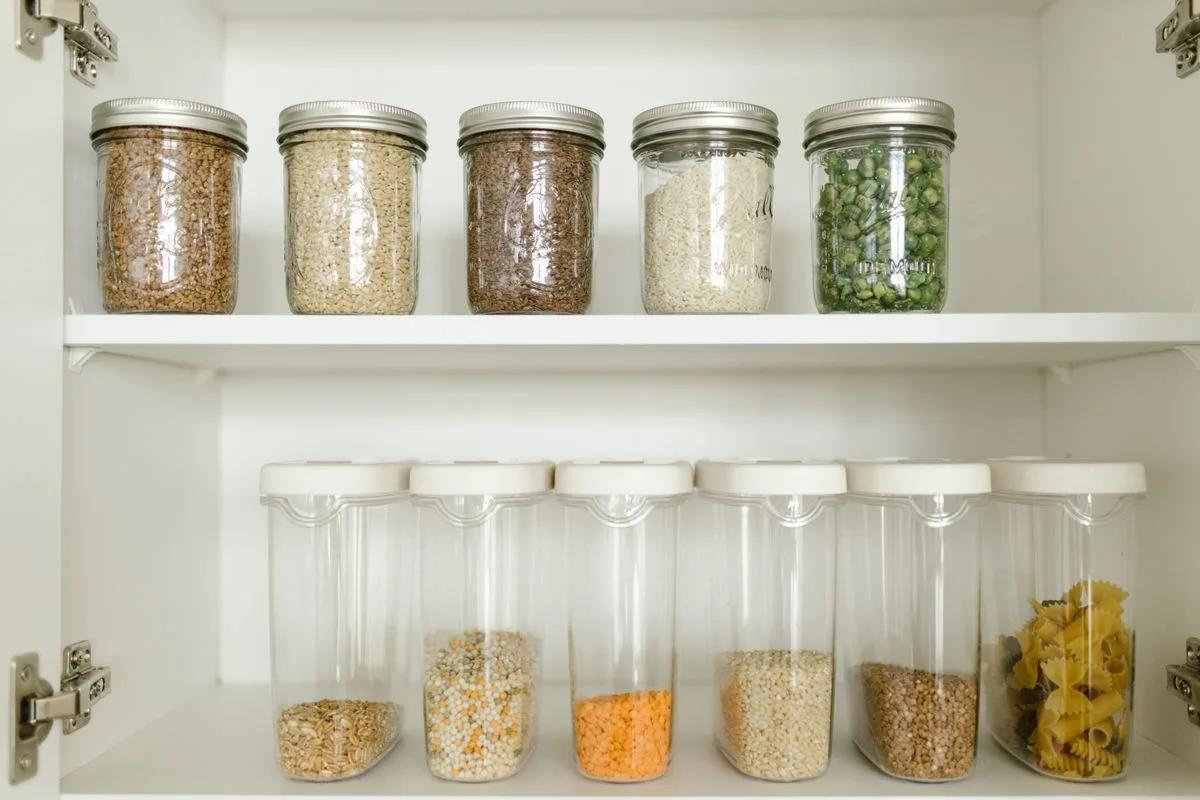
- Keep whole grains, such as oats, brown rice or wholewheat pasta, in the front.
- Store tinned beans, lentils and tomatoes for quick meals.
- Put nuts and seeds where you can easily reach them.
You do not need to throw everything out. Simply making healthy choices easier to reach will shift daily habits.
Want a bigger nutrition plan?
Our Healthy Eating Guide shows how to build balanced meals step by step, without counting every number.
A short list of staples to keep on hand
A well-stocked kitchen makes a simple meal possible on a tired evening. Aim for a small, flexible list.
- Starchy carbohydrates: potatoes, rice, pasta, oats, bread, ideally wholegrain when you can.
- Protein: eggs, beans, lentils, fish, chicken, tofu, yogurt.
- Vegetables and fruit: a mix of fresh, frozen and tinned. Frozen vegetables count as a portion and last for months.
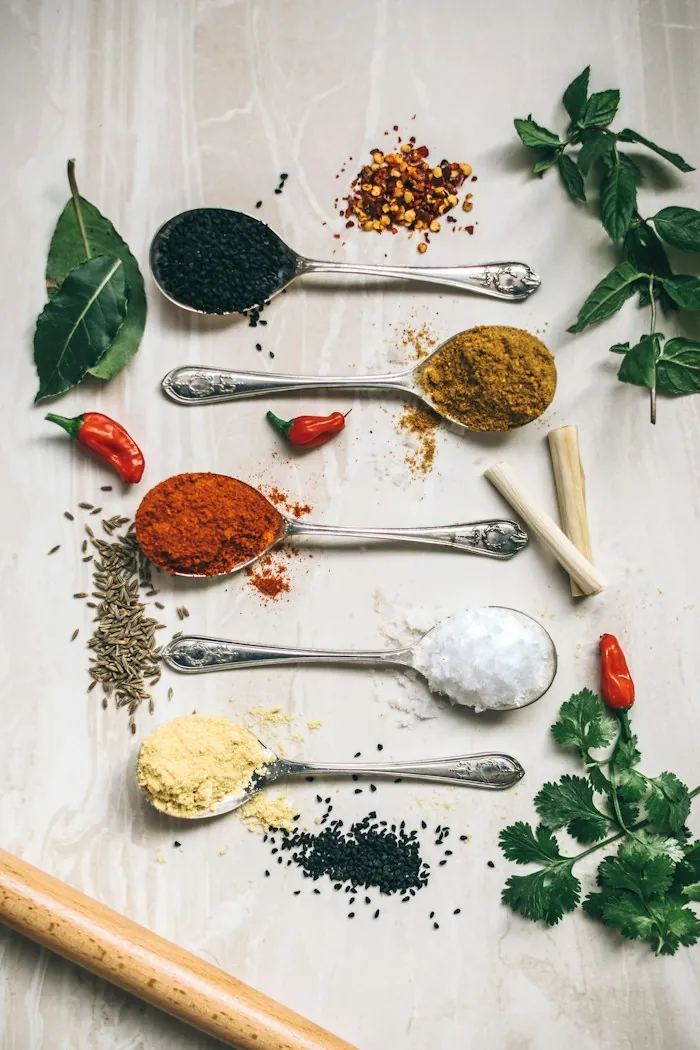
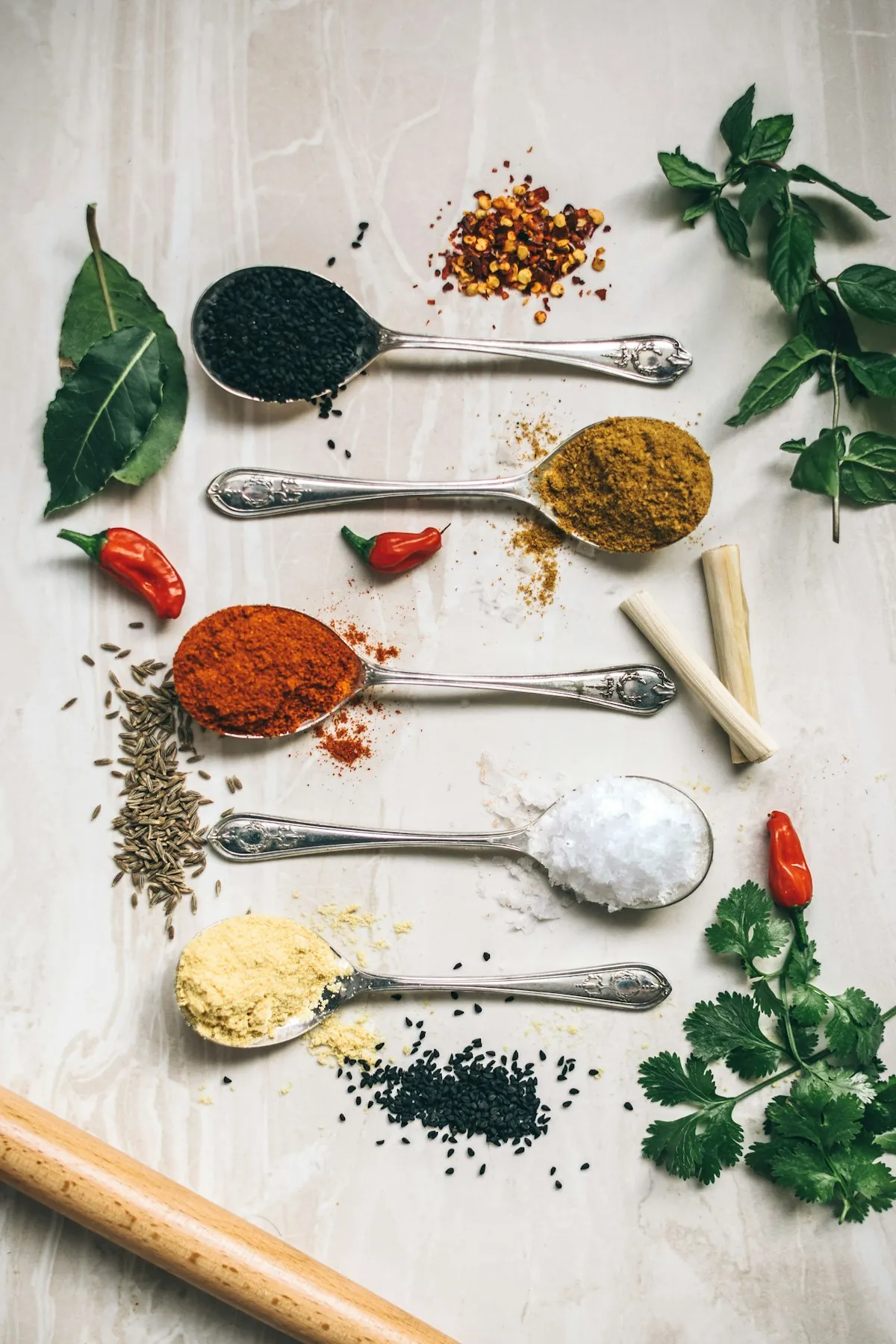
- Flavor: herbs, spices, garlic, lemon, vinegar and a little oil.
- Handy extras: tinned tomatoes, stock, nuts and seeds.
The NHS says fresh, frozen, canned and dried fruit and vegetables can all count toward your 5 a day. A portion is 80 g for fresh, frozen or canned, and 30 g for dried fruit.
It also suggests at least two portions of fish a week, including one of oily fish.
See our guide on how to build a balanced plate to put these staples together.
Simple tools and routines that help
A few useful tools
- A sharp knife and a chopping board.
- A large pot and a frying pan.
- Clear food containers for leftovers and lunches.
- A measuring jug and a kitchen scale, if you like measuring.
Small routines
- Prep once, eat often. Wash and chop vegetables on one day. See our weekly meal planning guide.
- Cook once, eat twice. Make a little extra dinner and pack it for lunch.
- Keep a short shopping list on the fridge. Add items as they run out.
- Clean as you go. An easy-to-use kitchen makes you more likely to cook.
Read labels when you shop
The NHS suggests looking at food labels for sugar, fat and salt. It says adults should have no more than 6 g of salt a day.
Our guide on how to read a nutrition label makes this easier.
Learn to read a nutrition labelEasy cooking habits for busy weeks
A healthy kitchen only helps if you cook in it. These habits keep home cooking realistic.
- Choose three go-to meals. Pick dishes you can make without a recipe, such as a stir fry, a bean chili and an omelette with vegetables.
- Cook a base ingredient in bulk. Cook a big pot of rice, beans or roasted vegetables on the weekend.
- Use frozen backup. Keep frozen vegetables and a protein on hand for evenings when nothing is planned.
- Keep a tray of cut vegetables. They make snacking and meals faster.
- Cook with someone. Sharing the work makes it more fun and quicker.
A simple template for a healthy dinner
Start with a starchy base, such as rice, potatoes or pasta. Add a protein, such as beans, fish, eggs or chicken. Fill the rest with vegetables.
Season with herbs, spices, lemon or garlic. It is a formula you can repeat with endless variety.
Make cleaning up easier
A tidy kitchen is more inviting. Wash pots as you cook, keep a bin close and load the dishwasher straight after eating.
The easier cleanup is, the more likely you are to cook again tomorrow.
A one-afternoon kitchen reset
Set aside about an hour. Work through these steps in order.
- Step 1. Clear one counter and put a bowl of fruit and a water jug on it.
- Step 2. Tidy the fridge. Throw out anything expired and move fresh food to eye level.
- Step 3. Group snacks in one cupboard, and put the healthiest at the front.
- Step 4. Check your staples list and write down what you need.
- Step 5. Plan three simple dinners for the week ahead.
A worked example
Say your fruit sits in a drawer and your biscuits sit on the counter. You swap them.
The next morning, you reach for a banana out of habit, because it is what you see first.
You did not need extra willpower. You just changed the setup.
Keep the reset small. Once it feels normal, add one more change the following week.
Sharing the kitchen and keeping costs down
If you share a home
A healthier kitchen works best when everyone agrees on the basics. Have a short chat about what to keep visible and what to store away.
Give each person a shelf or a container for their own snacks so nobody feels policed.
Let children help with washing vegetables or choosing a fruit for the week. People eat more of what they helped pick.
On a budget
- Buy frozen vegetables and tinned beans. They keep well and cost less.
- Buy oats, rice and lentils in larger bags.
- Plan meals before you shop and write a list.
- Use leftovers for lunches so nothing is thrown away.
- Choose fruit and vegetables in season, when they tend to cost less.
A healthy kitchen does not need expensive gadgets or specialist foods. Most of the change comes from what you place where, and what you plan ahead.
Small upgrades over time
Once the basics feel easy, add one upgrade every month. It could be a new spice, a set of food containers or a better knife.
Slow upgrades keep the habit fun and stop the kitchen from feeling like a project.
A simple weekly prep routine
A short prep session makes healthy meals faster on busy nights. You do not need to cook for the whole week.
- Wash and chop. Prepare two or three vegetables you will use in different ways.
- Cook one base. Cook a pot of rice, potatoes, pasta or grains.
- Cook one protein. Boil eggs, bake chicken or fish, or simmer beans or lentils.
- Make one sauce or dressing. It turns the same ingredients into different meals.
- Store it well. Use clear containers and label them with the day.
Mix and match through the week
With those pieces ready, you can build a bowl, a wrap, a stir fry or a soup in ten minutes. Change the sauce and the meal feels new.
For a full week plan, read our weekly meal planning guide.
Food safety basics
Cool cooked food quickly and store it in the fridge. Eat leftovers within a few days, and reheat them until they are steaming hot.
Keep raw meat and fish on the lowest shelf, away from foods you eat raw. When in doubt, follow your local food safety guidance.
Common mistakes to avoid
- Doing a huge clear-out. It feels good for a week, then fades. Small changes last.
- Buying too much fresh food. Mix in frozen and tinned foods to reduce waste.
- Banning foods. A kitchen with no treats can lead to bingeing later. Keep them, just not front and center.
- Forgetting drinks. The NHS suggests 6 to 8 glasses of fluid a day. Keep water easy to grab. See our guide to how much water you need.
- Skipping the plan. Without a plan, convenience foods win.
This article is general education. Meena Narayanan reviewed it as a Certified Personal Trainer, which is not a dietetics or medical credential. If you have allergies, a health condition or special dietary needs, talk to your doctor or a registered dietitian.
Recap: the main points
- Make healthy food easy to see and reach.
- Put fruit on the counter and ready-to-eat vegetables at eye level in the fridge.
- Stock a short list of flexible staples, including frozen and tinned foods.
- Use simple routines such as prep once, eat often.
- Start with one shelf and build from there.
Healthy kitchen setup: frequently asked questions
Base it on starchy carbohydrates, protein foods such as beans, eggs and fish, and plenty of fruit and vegetables. Fresh, frozen and tinned all count.
Use frozen and tinned vegetables, buy beans, lentils and oats in bulk, and plan meals so less food goes to waste.
Keep it in a bowl on the counter where you will see it. What is visible tends to get eaten first.
You do not have to. Moving it out of sight and making healthy foods easier to reach is usually enough to help.
The NHS suggests at least 5 portions a day. A portion is 80 g of fresh, frozen or canned fruit or vegetables, or 30 g of dried fruit.
No. A sharp knife, a chopping board, a pot and a pan are enough for most healthy meals.
Want the full picture? Read our Healthy Eating Guide.
Sources and further reading
We checked the figures and guidance in this article against these sources. This article does not give personal medical advice.
Want more? Head back to the Healthy Living hub or read the Start Here guides.