
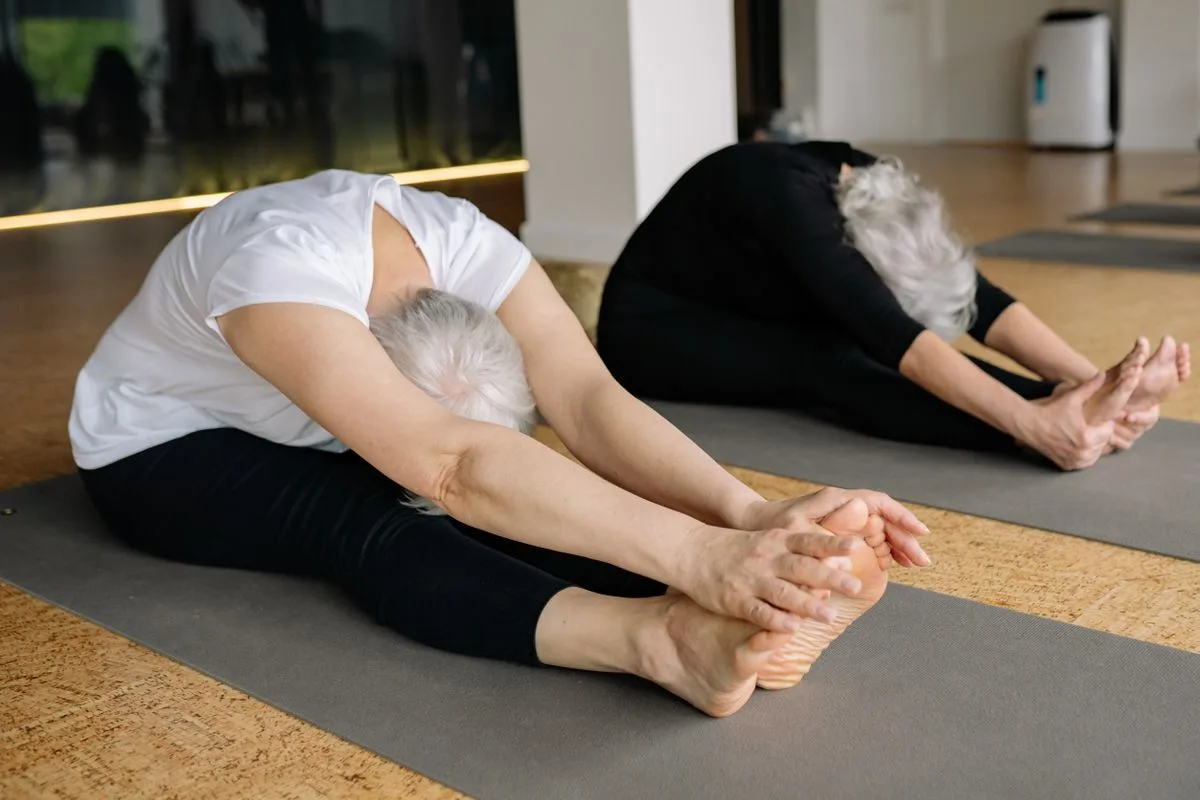
Why movement helps rather than harms
Joints rely on movement to stay healthy. Cartilage, the cushioning tissue inside joints, does not have its own direct blood supply; it depends partly on the movement of joint fluid, which happens through regular use, to deliver nutrients and remove waste. Complete rest, beyond a short recovery period, generally leads to further stiffness and muscle weakness around the joint, which can make pain worse, not better.
This is why current guidance for most people with mild arthritis or everyday joint stiffness recommends appropriate exercise, not avoidance. The key word is appropriate: the right type, intensity and progression matter considerably.
The best joint-friendly activities
| Activity | Why it is joint-friendly |
|---|---|
| Walking | Low impact, easy to adjust pace and distance to your current comfort level |
| Swimming and water exercise | Water supports body weight, reducing load on joints while still providing resistance |
| Cycling, including stationary | Smooth, repetitive motion with no impact, good for knees and hips |
| Gentle strength training | Builds the muscle around joints that helps stabilise and support them |
| Tai chi and gentle yoga | Combines range of motion with balance work at a controlled pace |
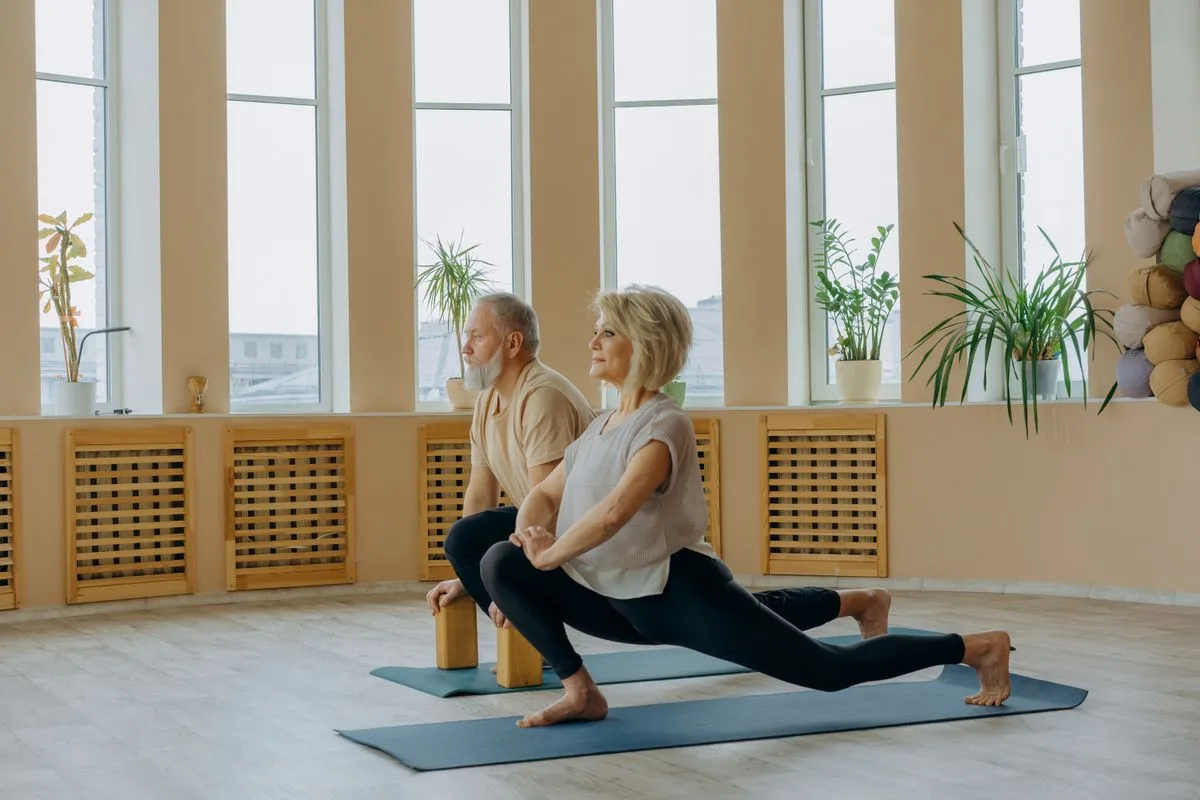
A gentle starter routine
This simple routine can be done most days and adjusted to your own comfort level:
- Gentle range-of-motion warm-up, 3 to 5 minutes. Slow, controlled movements through your joints' comfortable range: ankle circles, gentle knee bends, shoulder rolls.
- A 10 to 15 minute low-impact activity. A walk, light cycling, or water-based movement if available to you.
- Two or three gentle strength exercises. Sit-to-stands, wall push-ups, or seated leg extensions, done slowly and with control.
- A short cool-down with gentle stretching. Hold each stretch for 15 to 30 seconds without bouncing or forcing the range.
Want the complete healthy aging picture?
Our healthy aging guide covers strength, balance and habits in one complete plan.
Telling normal discomfort from a warning sign
Some mild discomfort during and shortly after exercise is common and generally not a cause for concern, particularly when starting a new routine or increasing activity after a period of inactivity. A useful rule of thumb: mild discomfort that settles within about an hour of finishing is generally acceptable. Sharp pain during the movement itself, swelling that appears or worsens, or discomfort that lingers well beyond the activity are signs to scale back and, if persistent, get assessed.
A short, gentle routine done most days tends to serve joint health better than an occasional intense session. Little and often allows your joints to adapt gradually without the flare-ups that sudden, demanding activity can trigger.
Simple modifications that help
Small adjustments often make a familiar exercise far more comfortable: use a wider stance for better stability during standing exercises, perform seated versions of standing moves when needed, use a wall or sturdy chair for support, reduce range of motion on days when joints feel stiffer, and warm up for a little longer before anything more demanding.
When to get a professional assessment
Get a professional assessment before starting a new routine if you have a diagnosed inflammatory arthritis, have had recent joint surgery, experience sharp or worsening pain rather than mild stiffness, or notice new swelling, redness or warmth around a joint. A physical therapist can also tailor exercises specifically to the joints affecting you, which is more precise than general guidance.
Joint-friendly exercise: frequently asked questions
For most people with mild arthritis, appropriate low-impact exercise is recommended and generally supports joint health. If you have a diagnosed condition, it is worth confirming the specific approach with your doctor or a physical therapist.
Mild discomfort that settles within about an hour is generally acceptable. Sharp pain during the movement itself is a sign to stop and scale back, not push through.
A short, gentle routine most days, rather than occasional intense sessions, tends to support joint health better and reduces the risk of flare-ups.
High-impact activities like running on hard surfaces or jumping sports can be harder on affected joints, though this varies by individual. A gradual approach with low-impact options is a reasonable general starting point.
Many people report feeling stiffer in cold weather, though the scientific evidence on a direct causal link is mixed. A slightly longer warm-up on colder days is a reasonable practical response regardless.
Yes. Water supports body weight, significantly reducing joint load, which makes swimming and water-based exercise a good option when land-based movement feels too uncomfortable.
Sources and further reading
We checked this guidance against these sources:
- CDC: physical activity for arthritis
- NHS: osteoarthritis treatment and exercise
- Bartholdy C, et al. The role of muscle strengthening in exercise therapy for knee osteoarthritis. Semin Arthritis Rheum. 2017.
Want more support for staying active as you age? Visit the Healthy Aging hub, try our balance exercises at home, or see sit-to-stand and squats for leg strength.